
PRODUCTS / MANUFACTURER DIRECT
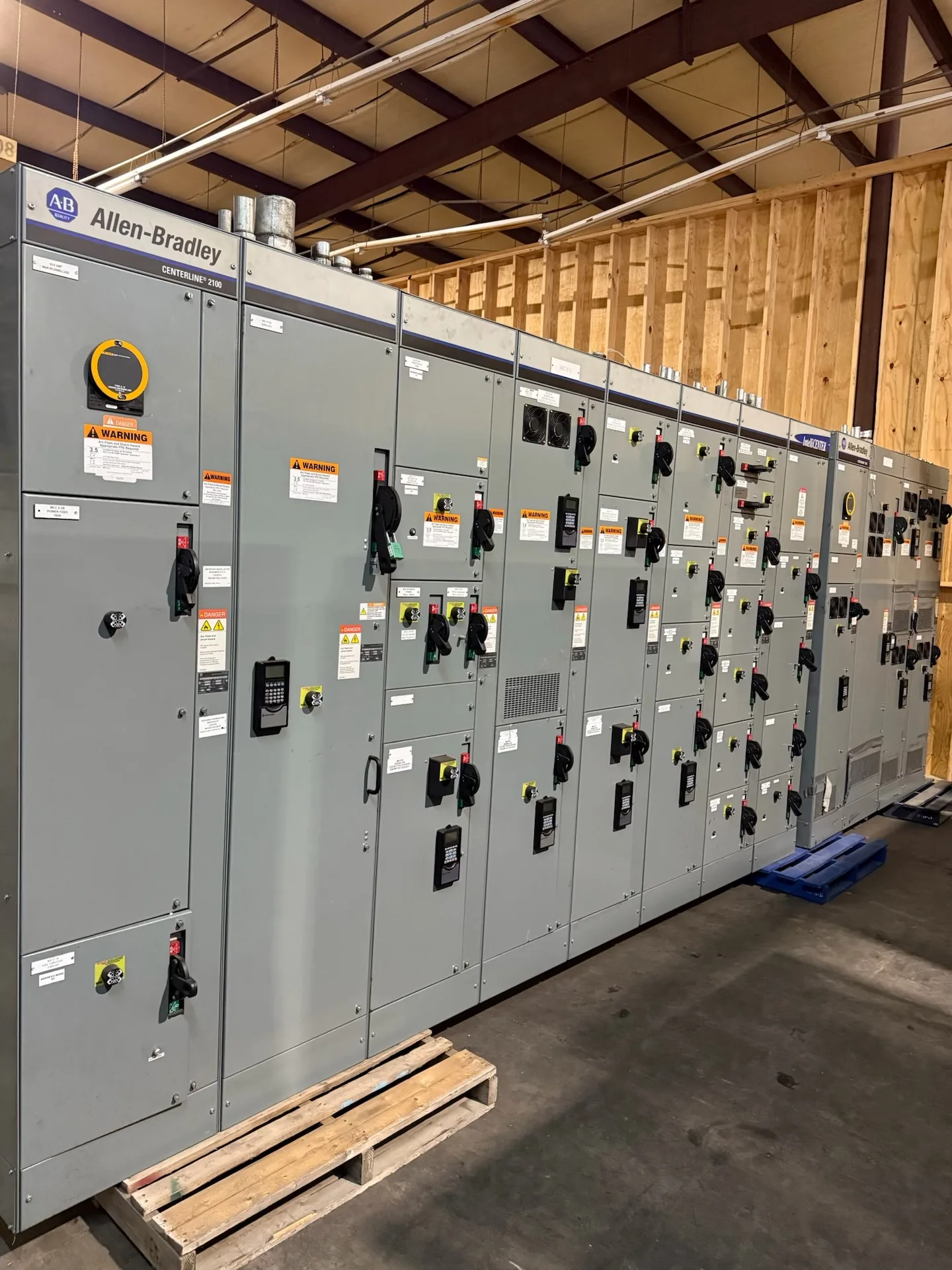
Surge protective device sections bring transient-voltage protection into the switchboard plan, but the device cannot be selected in isolation. Location, system voltage, grounding arrangement, upstream protection, available space, and maintenance access all affect the design. Buyers should coordinate these decisions with the electrical engineer, equipment specifications, and the proposed assembly before release. Switchgear Builder Virginia manufactures new custom switchgear in the USA using all-American components, with nationwide shipping. Project schedules, ratings, and configuration details are subject to quotation and verification. The sections below identify practical questions to resolve when specifying an SPD section.
Choose a Useful Location
Decide where the SPD belongs by considering the circuit it must protect, the switchboard layout, and the connection path between the device and the system. A dedicated section can make the SPD easier to identify and access, while an arrangement within another section may conserve lineup space; either choice depends on the equipment design and project requirements. Ask the engineer to identify the intended connection point and confirm that the selected arrangement suits the protection strategy. Also consider proximity to the relevant distribution equipment, conductor routing, separation from other components, and whether servicing can occur without obstructing routine access. Do not assume a particular location is suitable merely because it fits a drawing or past project. Provide one-line diagrams, equipment schedules, and layout constraints early so the manufacturer can review the proposed section and flag questions before the assembly configuration is finalized.
Specify System Voltage
State the nominal system voltage and configuration, including whether the installation is single-phase or three-phase and how the neutral is arranged. These details help determine which SPD configuration may be appropriate, but nominal voltage alone does not establish a device rating or compatibility. The engineer and equipment supplier should verify the system grounding method, expected operating conditions, SPD voltage characteristics, and the applicable project specification together. Identify any unusual system conditions or planned operating modes rather than relying on a generic voltage label. Confirm that the proposed device connections match the actual phase and neutral arrangement shown in the approved design. If the project documentation leaves the system configuration unclear, resolve that question before selecting or laying out the section. A clear voltage and configuration schedule reduces avoidable revisions and gives the manufacturer a sound basis for coordinating the section with the switchboard design, subject to engineering review and quotation.
Coordinate Grounding
Grounding and bonding details are central to an SPD section, not finishing notes to resolve after the enclosure is drawn. Provide the system grounding method, neutral treatment, and relevant bonding requirements from the project documents. The engineer should confirm the intended SPD connection topology and verify how the section integrates with the assembly's grounding and neutral provisions. Physical routing matters as well: connection paths, termination points, and conductor arrangement must follow the approved design and the selected device instructions. Avoid specifying a grounding arrangement based only on a previous installation, since system configurations and project requirements can differ. Ask for clarification when one-line diagrams, grounding details, and equipment schedules do not agree. During design review, confirm that the proposed layout leaves room for the intended connections and does not create an access conflict. Final grounding details, component selection, and assembly configuration remain subject to verification against the project requirements.
Coordinate Protection
An SPD section must be coordinated with its associated protective device and the rest of the assembly. Identify the proposed breaker or other specified overcurrent protective device, its location, and any project requirements governing its selection. The engineer and equipment designer should verify compatibility among the SPD, protective device, system configuration, and assembly design; do not infer coordination from physical fit or from a catalog description alone. Clarify whether the protective device is part of the requested section or supplied elsewhere, and show that boundary on the drawings. This helps avoid omissions, duplicated components, and unclear responsibilities during procurement. Provide relevant schedules and specifications so the proposed arrangement can be reviewed before fabrication. Any interrupting, withstand, or other ratings must be established for the actual equipment and application, not assumed from the SPD topic or a general description. Ratings and final configuration require project-specific verification and quotation.
Plan Access and Review
Plan access around inspection, status indication, replacement, and any maintenance tasks identified by the device manufacturer and project team. Check door swing, working clearances, adjacent equipment, cable entry, and the route needed to reach the SPD without disrupting other components. The equipment drawings should make the section's purpose and boundaries clear to installers and facility personnel. Confirm enclosure and environmental requirements, mounting constraints, and any requested monitoring or communication features as options to review—not assumed standard features. Before release, compare the proposed section against the one-line diagram, equipment schedule, grounding information, and protective-device requirements. Resolve mismatches through the responsible engineer and supplier rather than relying on assumptions. Switchgear Builder Virginia can review custom section requirements for new switchgear manufactured directly in the USA with all-American components. Lead times are short as a stated company capability, but project schedules remain subject to quotation and verification; nationwide shipping is available.