
PRODUCTS / MANUFACTURER DIRECT
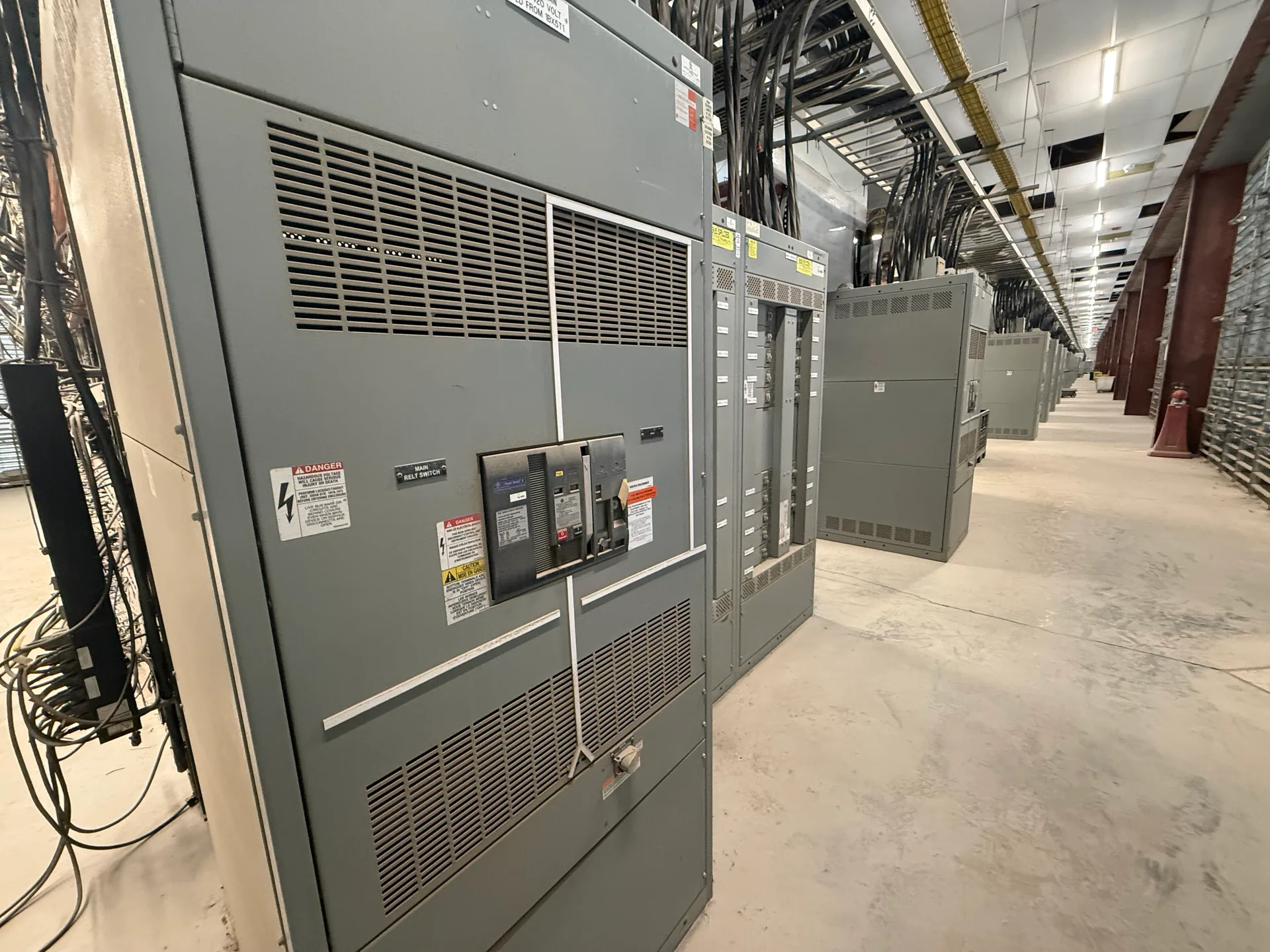
A switchboard pull section provides a planned space and connection point for incoming or outgoing conductors. Its dimensions and arrangement affect cable entry, conductor bending, lug placement, and how the section fits the installation. Switchgear Builder Virginia manufactures new custom switchboards in the USA using all-American components, with nationwide shipping. For a useful project review, provide drawings and confirmed site constraints; final dimensions, ratings, schedule, and available options require quote and verification.
Plan the Cable Path
Start with where conductors enter the switchboard and where they must terminate. A top, bottom, or side entry can change the pull section’s usable space, enclosure arrangement, and relationship to adjacent sections. Share the entry direction, conduit locations, conductor count and sizes, and any known routing restrictions before layout is finalized. If conduits are already installed, their locations and spacing may limit feasible arrangements; if the installation is new, coordinate the proposed entry points with the electrical designer and installer. Avoid assuming that a nominal section width alone establishes enough room for the actual cable path. The manufacturer can review the requested arrangement, but dimensions and suitability depend on project drawings and applicable requirements. Identify whether conductors continue through the section or terminate there, since those functions may call for different internal layouts.
Check Bending Space
Conductor bending space is not simply unused cabinet volume. The cable’s size, insulation, quantity, approach direction, termination position, and required bend radius all influence the space needed to route conductors without an impractical turn. Provide conductor information from the project documents and identify the intended entry and lug locations. Then confirm the usable depth and width against the planned cable path rather than relying on an approximate sketch or a neighboring lineup’s dimensions. Larger conductors or crowded entries can make a compact arrangement difficult to install, while a larger section may affect the lineup footprint and site clearances. Resolve those tradeoffs during design review, before conduit placement and equipment dimensions become fixed. Applicable requirements and final clearances should be checked by the responsible design professional and verified for the specific assembly and installation.
Specify Lugs Clearly
Lug selection depends on the conductor material, conductor size and count, termination method, and the electrical equipment’s verified requirements. State whether the design calls for mechanical or compression-style lugs, the number of conductors per connection, and any specified lug manufacturer or model. Do not assume a lug accepts both copper and aluminum conductors, multiple cables, or a particular wire range; confirm those details against the selected lug documentation and project specifications. Also identify whether lugs are furnished with the requested assembly or are specified separately, and clarify who is responsible for final selection and installation. Space around each termination matters too: a lug that fits electrically may still complicate cable approach or working room. Switchgear Builder Virginia can review requested lug details for a new custom build, subject to quote and verification of compatibility.
Define Pull-Point Needs
A pull point is useful only when its location and opening support the actual conductor route. Clarify whether the section is intended for cable pulling, termination, or both, and show the planned route from the entry point to each destination. Identify any divider, barrier, adjacent equipment, or structural feature that could restrict access or cable movement. If conductors pass through the section, document their destination and whether the layout must preserve separation or reserve space for future conductors, as specified by the project. Pulling access and termination access are related but not interchangeable: a convenient opening for routing may not provide adequate room at the lug, and a roomy termination area may not solve a constrained conduit approach. Review these conditions against drawings and installation constraints; do not treat a pull section as a substitute for required equipment or field planning.
Coordinate the Complete Assembly
Before release for fabrication, coordinate pull-section details with the complete switchboard lineup, service or feeder arrangement, site access, and installation sequence. Submit available one-line diagrams, elevations, conductor schedules, conduit plans, and written project requirements, noting which information is preliminary. Confirm the required voltage and current ratings, fault-duty requirements, enclosure conditions, and any specified utility interface with the project team; these are project inputs to verify, not assumed product capabilities. For applicable low-voltage switchboards, UL 891 assembly requirements may be relevant, but applicability and the specific configuration must be confirmed. Switchgear Builder Virginia manufactures new custom equipment in the USA and can review requested arrangements and available options. Lead times and schedules depend on the quoted project and verification. Resolve dimensions, lugs, entry, and pull access before installation details are locked in.