
PRODUCTS / MANUFACTURER DIRECT
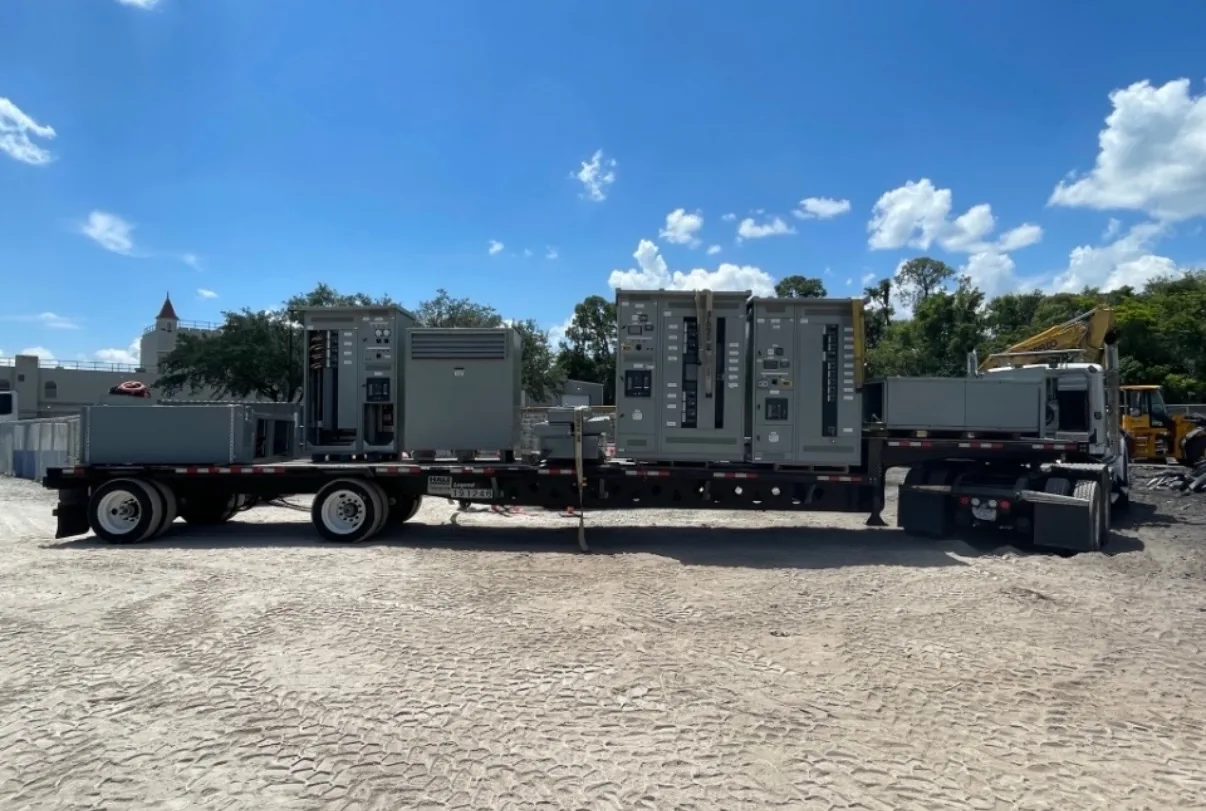
A switchgear transition cabinet connects equipment sections whose physical or electrical interfaces must be coordinated before fabrication. The cabinet’s role depends on the project: it may bridge buswork, provide a cable transition space, or align adjoining enclosures. Switchgear Builder Virginia builds custom new equipment in the USA using all-American components, with nationwide shipping. The right design starts with verified drawings from both sides of the connection, not an assumed standard dimension. Review the interface, grounding, clearances, and division of responsibilities with the project team, then confirm final details and schedule by quote.
Confirm the Mating Geometry
Start with the adjoining equipment drawings and confirm the actual connection plane, enclosure width and depth, base elevation, mounting points, door swing, and any offsets. A transition cabinet that matches one outside dimension can still fail to align if the bus compartment, cable area, or structural frame sits differently. Check whether drawings show finished dimensions or nominal dimensions, and identify tolerances that affect field fit. Record which party supplies each dimension and who approves the final interface drawing. Existing equipment may have undocumented changes, so field measurements can be useful, but they should be checked against the manufacturer’s drawings and project requirements. Do not assume two pieces of gear from the same nominal lineup will mate without review. Switchgear Builder Virginia can develop a custom cabinet around verified project information; final dimensions remain subject to drawing review and quote.
Choose Bus or Cable Interface
The connection method shapes the cabinet layout. A bus interface needs coordinated bus locations, phase arrangement, conductor size and material, joint access, supports, insulation approach, and provisions for expansion or alignment as required by the design. A cable interface instead needs a route, bend space, termination area, entry direction, and a coordinated plan for cable supports and access. These are not interchangeable details: choosing cable entry may affect cabinet depth and service access, while bus transitions can demand tighter control of alignment and joint location. Confirm the adjoining equipment’s electrical drawings and specified system ratings before setting the interface. Identify whether the cabinet is intended to house connections, simply separate enclosures, or perform another defined function. The design team should verify conductor and termination requirements, environmental conditions, and applicable project standards; no rating or performance follows from the topic name alone.
Grounding and Bonding
Define how the cabinet enclosure and adjoining sections connect to the project grounding system. Review the equipment drawings for grounding bus location, connection points, conductor paths, bonding across joints, and any specified connection hardware. A painted or mechanically joined surface should not be assumed to provide the required electrical bond unless the design and applicable requirements establish that method. Also coordinate grounding continuity where cabinet sections are shipped separately or assembled in the field, and state who provides and installs each connection. Grounding provisions must align with the complete equipment design, system fault conditions, and project requirements; they should not be selected from a generic cabinet description. Have the responsible electrical design professionals verify the grounding and bonding details before release. Switchgear Builder Virginia can incorporate specified provisions in a custom new cabinet, with details confirmed through drawings and quotation rather than inferred from another manufacturer’s arrangement.
Clearances and Access
Check the space around energized parts and the practical space needed to install, inspect, and maintain the transition. Relevant constraints can include phase-to-phase and phase-to-ground spacing, barriers, cable bending room, door and cover access, working space in the room, and nearby walls or structural steel. Required values depend on the actual design, voltage, insulation system, applicable standards, and project conditions, so avoid treating a general dimension as universally acceptable. Coordinate conduit or cable entry locations with internal components, and make sure access panels do not conflict with adjacent equipment or building features. Review ventilation, environmental exposure, and any specified separation requirements as part of the system design. The engineer and equipment manufacturers should resolve applicable clearances and access provisions before fabrication. If the cabinet belongs to an applicable low-voltage switchboard assembly, determine whether UL 891 requirements apply to that assembly; do not extend that standard to medium- or high-voltage gear.
Assign Interface Responsibilities
A clean handoff identifies who supplies the adjoining equipment, interface drawings, field dimensions, connecting bus or cable, joint hardware, grounding conductors, and installation labor. It should also name who reviews dimensional changes, approves the final drawings, and resolves discrepancies between vendor documents and site conditions. Ask for the latest revisions from every equipment supplier and compare connection elevations, phase identification, entry direction, and enclosure outline before approving fabrication. Clarify whether shipping splits the cabinet or adjoining lineup into sections and how field assembly details will be documented. These decisions reduce fit-up uncertainty without assuming the transition manufacturer controls the complete installation. Switchgear Builder Virginia manufactures and supplies new custom equipment in the USA with all-American components and ships nationwide. Lead time and available configuration depend on the project and must be confirmed by quote; ratings, drawing details, and schedule require review and verification before order.