
RATINGS / MANUFACTURER DIRECT
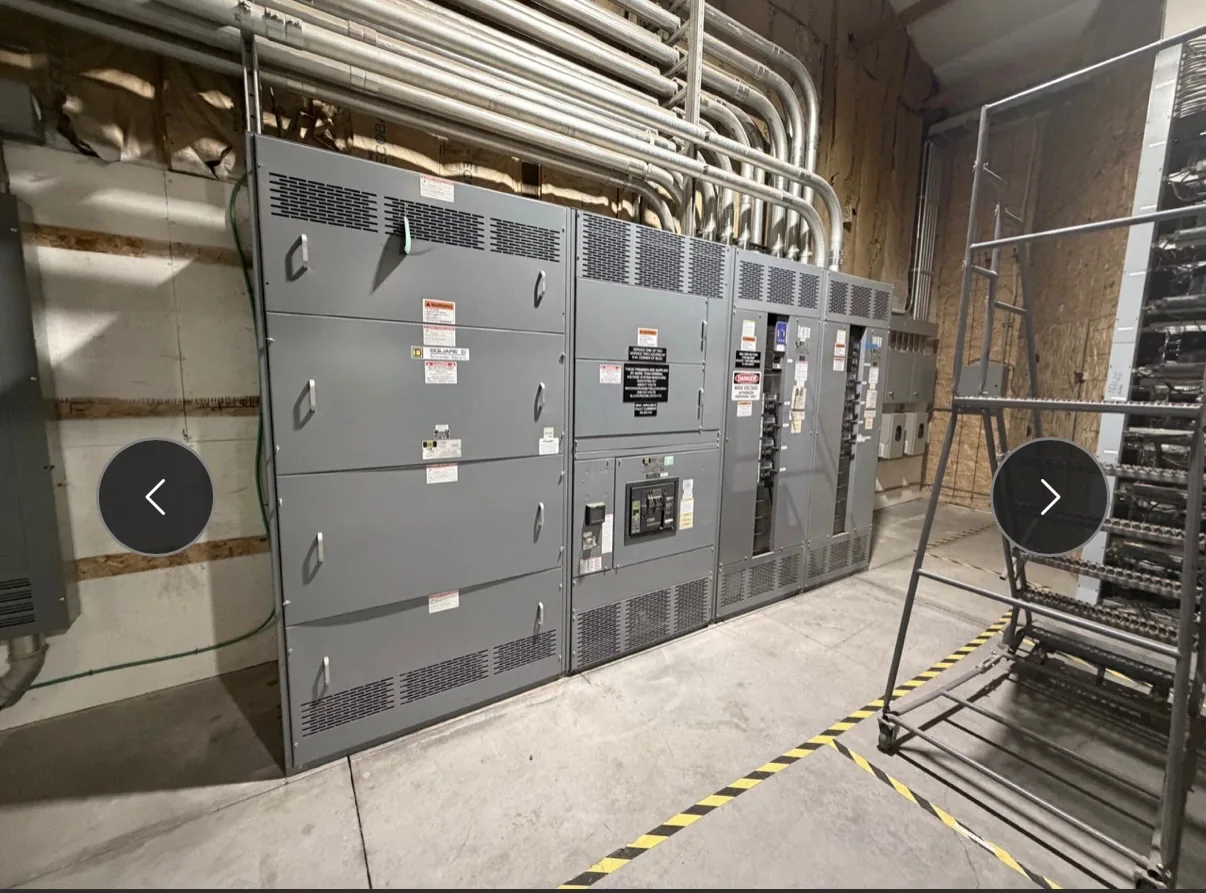
A 2000 A designation is a planning point, not a complete equipment specification. The assembly must suit the system voltage, available short-circuit current, load profile, protection scheme, and installation conditions. Switchgear Builder Virginia manufactures new switchgear in the USA using all-American components and can develop custom builds around documented project requirements. Before selecting a configuration, align the bus and main protection with the engineer’s study, confirm the intended equipment type, and check the room and shipping route. Ratings, construction details, schedule, and applicable standards must be verified for the specific project and stated in the quote.
Define the 2000 A Rating
Start by clarifying what 2000 A means in the project documents: it may refer to a bus rating, a main device rating, or both, and those choices are not interchangeable. The engineer should establish the required continuous-current capacity and identify expected loading, demand, future capacity, and operating conditions. A 2000 A label by itself does not show that every section, connection, or protective device is suitable for the intended duty. Confirm the system voltage, number of phases and wires, grounding arrangement, and whether the equipment is a low-voltage switchboard or another type of switchgear. For applicable low-voltage switchboards, UL 891 construction may be specified; confirm the required listing and configuration for the actual assembly. Share the one-line diagram and project specifications so the proposed build can be checked against the application, rather than selected by amperage alone.
Coordinate Bus and Protection
Bus capacity and main protection need to be reviewed together, but they answer different design questions. The bus rating addresses the assembly’s current-carrying requirement under specified conditions; the main protective device is selected and coordinated to protect the system and support the intended operating scheme. Ask the electrical engineer to establish the main-device type, trip functions and settings, coordination objectives, and any provisions for alternate sources or tie operation. Confirm how feeder devices, downstream equipment, and upstream protection interact. Do not assume that a 2000 A main is automatically the correct choice simply because the bus is described as 2000 A. Likewise, a larger device or bus is not automatically a better fit: it can affect cost, space, fault coordination, and project requirements. The quote should identify the proposed ratings and options for review against approved drawings and the engineer’s protection study before release.
Verify Short-Circuit Duty
Available short-circuit current at the equipment location is a key input to specifying the assembly and its protective devices. Obtain the project’s current fault study or other engineer-approved short-circuit data, including the assumptions for utility supply, transformer impedance, generator contribution, and operating configurations where relevant. Then verify that the specified short-circuit ratings and any required withstand or interrupting capabilities match the application and applicable equipment documentation. Do not infer fault capability from the 2000 A continuous-current figure: amperage ratings describe different duties. Changes to the source, transformer, conductor arrangement, or system configuration can affect available fault current, so the design team should confirm the data used for the final selection. Switchgear Builder Virginia can review documented project requirements when developing a custom new assembly, but ratings and options remain subject to engineering review, quote, and verification for the specific configuration.
Check Room and Shipping Fit
A 2000 A assembly can require careful coordination of footprint, access, cable entry, and installation sequence. Provide the available room dimensions, door and corridor clearances, ceiling conditions, working-space requirements established by the project team, and the intended lineup location. Confirm which side needs access for cable connections and maintenance, where conduits or bus connections will enter, and whether the room layout allows sections to be positioned and joined. Shipping constraints deserve the same attention: measure the route from receiving point to final location, including dock or unloading limits, elevator dimensions, turns, thresholds, and temporary openings. Do not treat a nominal lineup dimension as proof that the equipment will fit through the building. The project team should reconcile approved drawings, handling plans, and site conditions before order release. Nationwide shipping is available; shipment configuration, schedule, and logistics are confirmed for the quoted project.
Prepare a Buildable Specification
A useful inquiry includes the one-line diagram, system voltage, bus and main requirements, fault-current information, protection preferences, incoming and outgoing cable details, metering needs, and room and shipping measurements. Identify any required control power, communications, spare provisions, or source and tie arrangements, then distinguish firm requirements from preferences so options can be evaluated clearly. State the applicable standards and approvals required by the project; do not assume an approval or listing applies without verification for the specified assembly. Switchgear Builder Virginia manufactures new switchgear directly in the USA, uses all-American components, and offers custom builds. Lead times are short, but actual schedules depend on the quoted scope and must be confirmed rather than presumed. Clear documents help expose conflicts early, support a reviewable proposal, and reduce avoidable changes between specification, drawings, production, and delivery.