
RATINGS / MANUFACTURER DIRECT
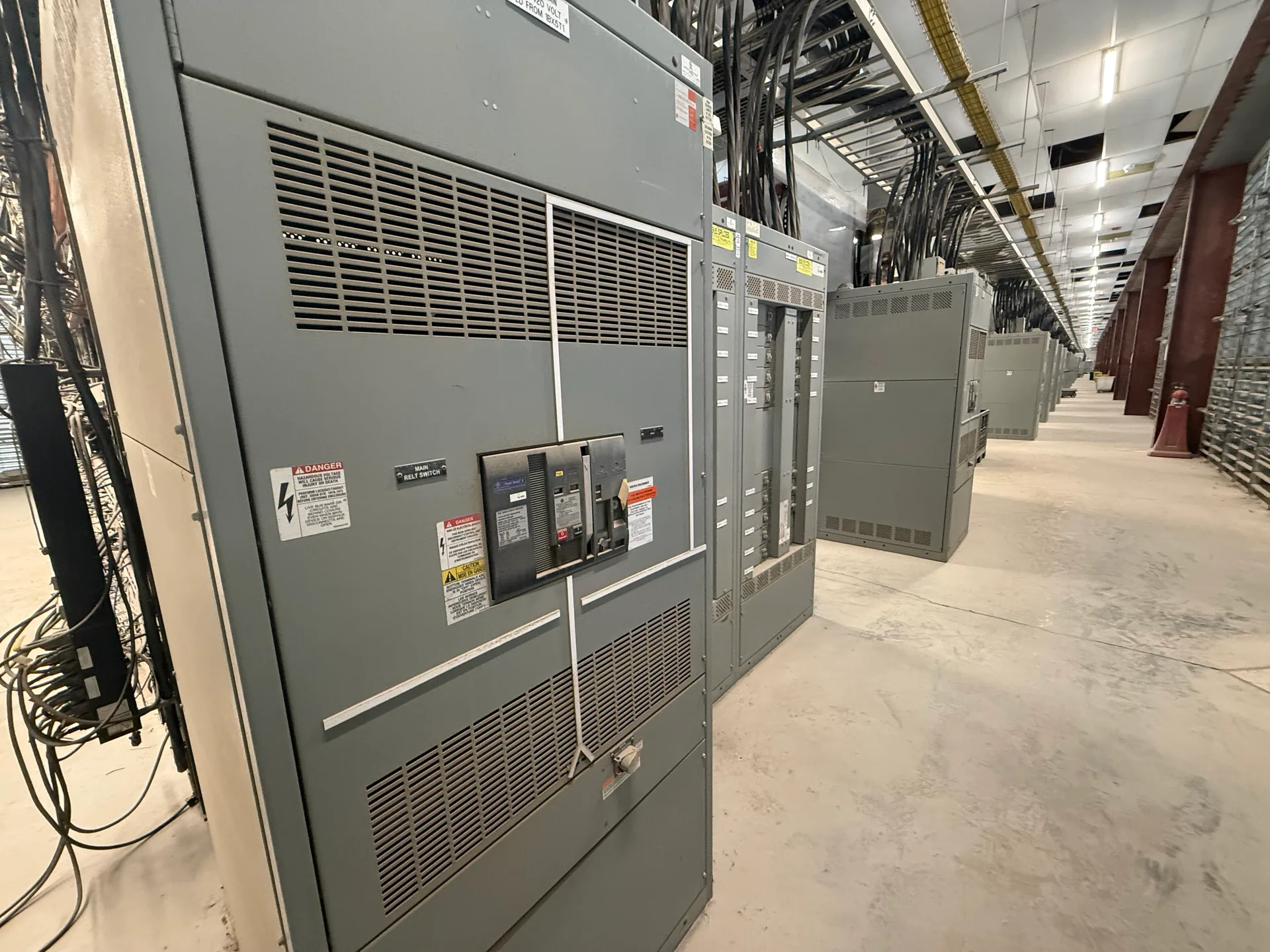
# 3000 A Switchgear | Switchgear Builder Virginia A 3000 A designation is a project requirement to define and verify, not a complete equipment specification. Bus rating, incoming conductors, section dimensions, and access all affect the proposed configuration. Switchgear Builder Virginia manufactures new custom switchgear in the USA using all-American components, with nationwide shipping. For applicable low-voltage switchboards, UL 891 assemblies may be specified; applicability and assembly details require confirmation. Use the sections below to organize the information needed for a project-specific quote.
Define the 3000 A Scope
Start by clarifying what the 3000 A requirement applies to: the main bus, an incoming device, a feeder, or another part of the assembly. These ratings are related but are not interchangeable, and a single number does not establish the rating of every component or the complete equipment. Identify the system voltage, phase, wire configuration, frequency, and intended service so the manufacturer can evaluate the requested arrangement. Also specify whether the requirement is continuous, how the equipment will be applied, and any project documents that state required ratings. Avoid assuming that a 3000 A label alone resolves available fault current, short-circuit withstand, or protective-device coordination. Those details depend on the system and proposed configuration. The quote should state the offered ratings and the basis for them, subject to engineering review and verification, before the design is treated as acceptable for the project.
Coordinate Bus and Conductors
A 3000 A bus requirement should be coordinated with the incoming conductors and their termination arrangement. Provide conductor material, quantity per phase, size, insulation details, and whether conductors enter from above, below, or another defined direction. Include project requirements for lugs or other terminations, bending space, and transition compartments; confirm compatibility rather than assuming a standard arrangement. Conductor count and dimensions can affect enclosure width, routing, heat management, and access to connections, so early coordination may prevent a late layout change. State whether the incoming source is a utility, transformer, generator, or another source, and identify any required transition interfaces. These are inputs for design review, not proof that a particular assembly or conductor arrangement is suitable. Proposed bus, terminals, and ratings must be verified together for the specified application and documented in the project submittal before approval.
Plan Section Dimensions
Section dimensions depend on more than the requested current rating. Provide the available lineup length, maximum height and depth, room constraints, shipping and handling limits, and the intended front, rear, or side access. Share architectural or electrical-room drawings when available, and identify walls, columns, cable trenches, overhead obstructions, doors, and adjacent equipment that constrain placement. A compact arrangement may reduce floor-space use but can make cable routing, terminations, component access, or future work more difficult. A wider or deeper layout may ease some coordination while exceeding the space or transport envelope. Do not set dimensions from a generic 3000 A example: enclosure configuration and component selection affect the final footprint. The proposed outline drawing should be checked against site clearances, equipment interfaces, and the installation plan. Final dimensions and configuration remain subject to design review and quote confirmation.
Make Access Maintainable
Maintenance access is a layout decision to define before the lineup is finalized. Tell the manufacturer which doors or compartments need routine access, which side of the equipment will face a wall, and whether the room plan provides working space at the front, rear, or both. Identify removable barriers, cable entry paths, and any project requirement for access to terminations or devices. A layout that appears to fit on a floor plan may still conflict with door swing, adjacent equipment, or the planned route for cables and service personnel. Access provisions should be reviewed against the applicable project documents and site conditions; do not infer code compliance from a product description. Provide the intended maintenance approach and any owner preferences for compartment arrangement. Review the proposed drawings before release so that clearances, service access, and equipment placement can be evaluated without relying on assumptions about the installed room.
Verify Ratings and Submittals
Before approval, compare the proposed assembly documentation with the project’s required system conditions and ratings. Confirm the bus and device ratings, voltage, fault-duty requirements, incoming termination details, enclosure dimensions, and access arrangement are stated consistently across the quote and drawings. Ask which tests, approvals, listings, or other documentation apply to the offered configuration, and verify them against project specifications rather than assuming they follow from the 3000 A designation. UL 891 applies only where the equipment is an applicable low-voltage switchboard and the proposed assembly meets the relevant requirements; it does not establish suitability for every project. Switchgear Builder Virginia can develop custom new-equipment configurations, but schedules and ratings are subject to quote and verification. Resolve discrepancies with the project engineer and manufacturer before purchase or installation. This review helps align the specified assembly with the actual application and site constraints.