
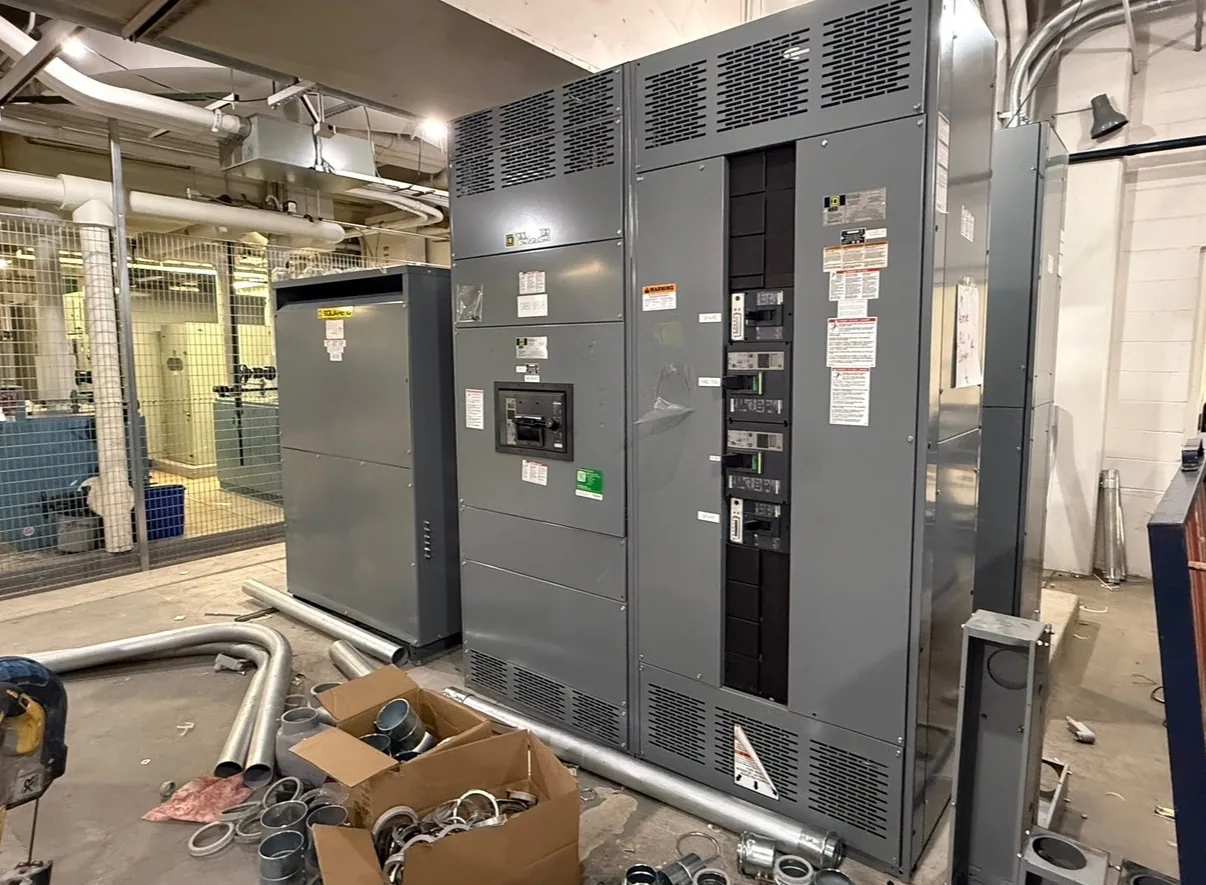
RATINGS / MANUFACTURER DIRECT
Ambient temperature is one part of an equipment rating, not a stand-alone number that can be applied to every installation. Ventilation, enclosure design, nearby heat sources, loading patterns and the equipment manufacturer’s stated conditions all affect how a rating should be interpreted. Switchgear Builder Virginia can build new custom switchgear for project requirements, with direct USA manufacturing, all-American components and nationwide shipping. For each application, the applicable equipment data and project documents should be reviewed together. Schedules and ratings are subject to quote and verification; no generic derating factor can substitute for checking the actual equipment and installed conditions.
Start With the Rating Basis
An equipment rating has meaning only alongside the conditions and configuration used to establish it. When reviewing a proposed switchboard or switchgear package, identify the manufacturer, model or assembly configuration, applicable nameplate values, and the temperature assumptions stated in the product documentation. Confirm whether the stated ambient refers to air around the equipment, a defined compartment, or another measurement point; those conditions are not interchangeable. Also check whether the rating applies to the complete assembly or a particular device or component. A breaker rating, for example, should not automatically be treated as the rating of the entire lineup. For applicable low-voltage switchboards, UL 891 assemblies may be considered where the project requires them. Switchgear Builder Virginia can review documented requirements for a new custom build, but final ratings depend on the quoted configuration and verification against manufacturer data.
Assess the Installed Environment
Room temperature is only one part of the thermal picture. Equipment located near boilers, process lines, roofs exposed to strong sun, or other heat-producing sources may experience conditions different from the general room reading. Consider expected operating conditions, seasonal variation, heat generated by adjacent equipment, and whether the stated design temperature represents normal or peak operation. Record where temperatures were measured and under what operating state; a brief reading taken during light load may not represent the conditions during sustained demand. If the installation is outdoors or in a space with unusual environmental exposure, verify which conditions the enclosure and equipment documentation actually addresses. Do not assume that a familiar room-temperature value applies to every location. A project engineer can use site data and equipment documents to determine which requirements belong in the specification and which assumptions still need confirmation.
Ventilation and Enclosure Choices
Ventilation affects heat transfer, but more openings are not automatically a better design. Enclosure construction, compartment layout, barriers, filters, airflow paths, dust or moisture exposure, and required protection all influence the available options. A fan or louver may change environmental protection, maintenance needs, or the conditions assumed in equipment documentation, so it should not be added as a generic fix. Likewise, a room ventilation plan and the equipment’s own thermal design are related but separate questions. Compare the proposed enclosure and accessories with the manufacturer’s stated configuration and the project’s environmental requirements. If forced ventilation is considered, establish how it will operate and what happens if airflow is reduced or lost; those details require project review, not guesswork. Custom builds can address specified enclosure and ventilation requirements, subject to quote and verification of the selected equipment and assembly.
Avoid Generic Derating Factors
A single percentage reduction cannot reliably describe every switchgear installation. Applicable limits may differ among conductors, protective devices, bus arrangements, terminals, enclosure styles, and complete assemblies. The effect of temperature can also depend on the exact component, its mounting, loading, and the assumptions in its documentation. Applying a generic factor without identifying those details can obscure the actual constraint or create a specification that does not match the equipment. Instead, ask the manufacturer for the relevant temperature limits, ratings, installation conditions, and any stated adjustment method for the selected configuration. Then have the responsible design professional determine how those data apply to the project. If conditions fall outside the documented basis, request a configuration review rather than extrapolating. Ratings remain subject to quote and verification; neither a numerical example nor a general rule establishes a rating for a particular assembly.
Information to Confirm Before Quoting
A useful inquiry includes the required system ratings, intended loading, indoor or outdoor location, expected ambient range, enclosure and ventilation requirements, and any project specifications that govern the assembly. Share available site measurements, note where and when they were taken, and identify known heat sources or airflow constraints. Include the equipment arrangement and documentation when evaluating an existing installation, but keep the requested scope clear: Switchgear Builder Virginia manufactures and supplies new switchgear, not replacement claims about an unverified existing unit. The review can then identify which conditions are established, which depend on manufacturer data, and which need confirmation by the project team. Direct USA manufacturing, all-American components, custom builds, short lead times and nationwide shipping are company facts; specific schedules and ratings are subject to quote and verification. Confirm applicable requirements before approving the final configuration.