
SERVICES / MANUFACTURER DIRECT
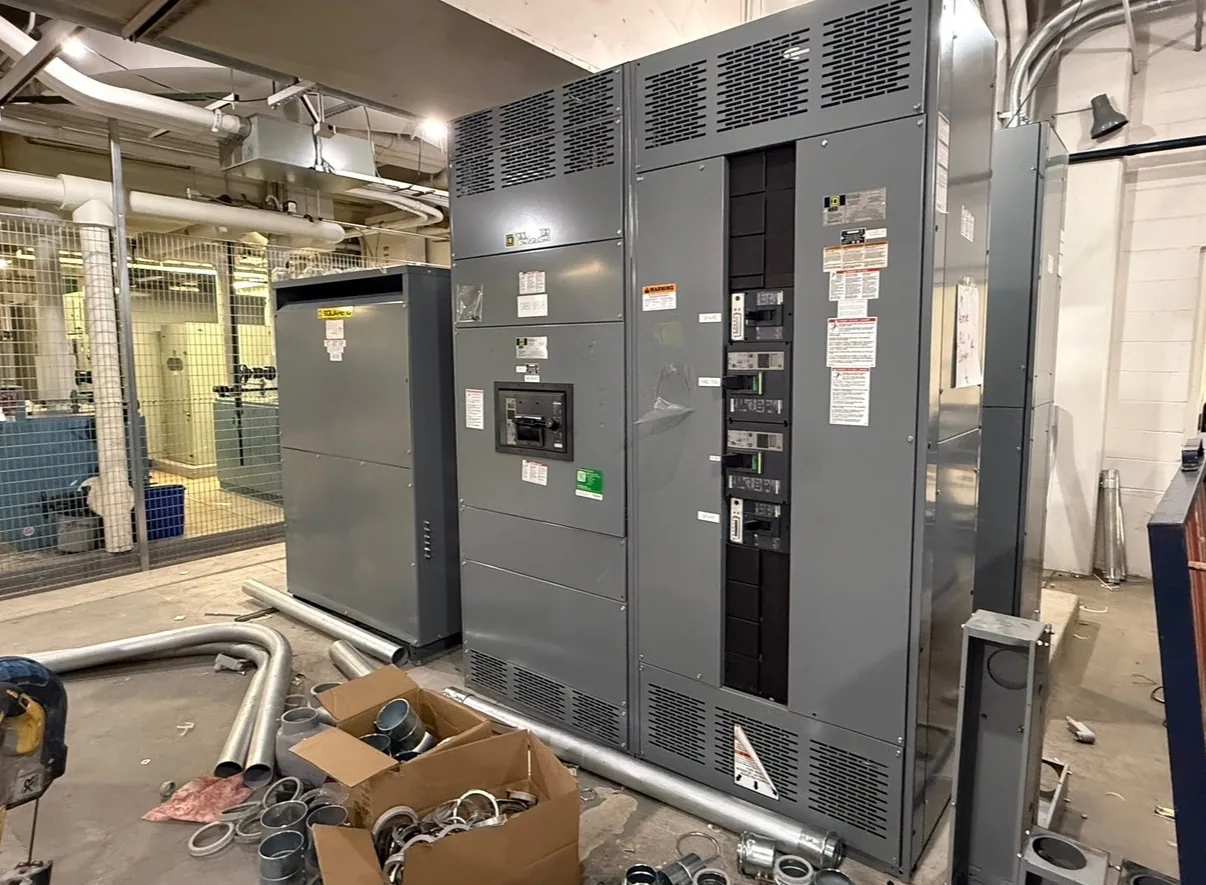
A one-line diagram can clarify how a proposed switchboard fits into a facility’s electrical layout, but only when its symbols, device data, and operating assumptions are clear. Switchgear Builder Virginia can use a buyer-provided diagram to identify the incoming supply, main devices, feeders, ties, and stated operating modes as part of a new-equipment discussion. The review can also flag information that appears missing or needs confirmation before equipment requirements are developed. It is not engineering certification, a protection study, or approval of the design. Final ratings, configurations, and schedules remain subject to quote and verification.
Trace the power path
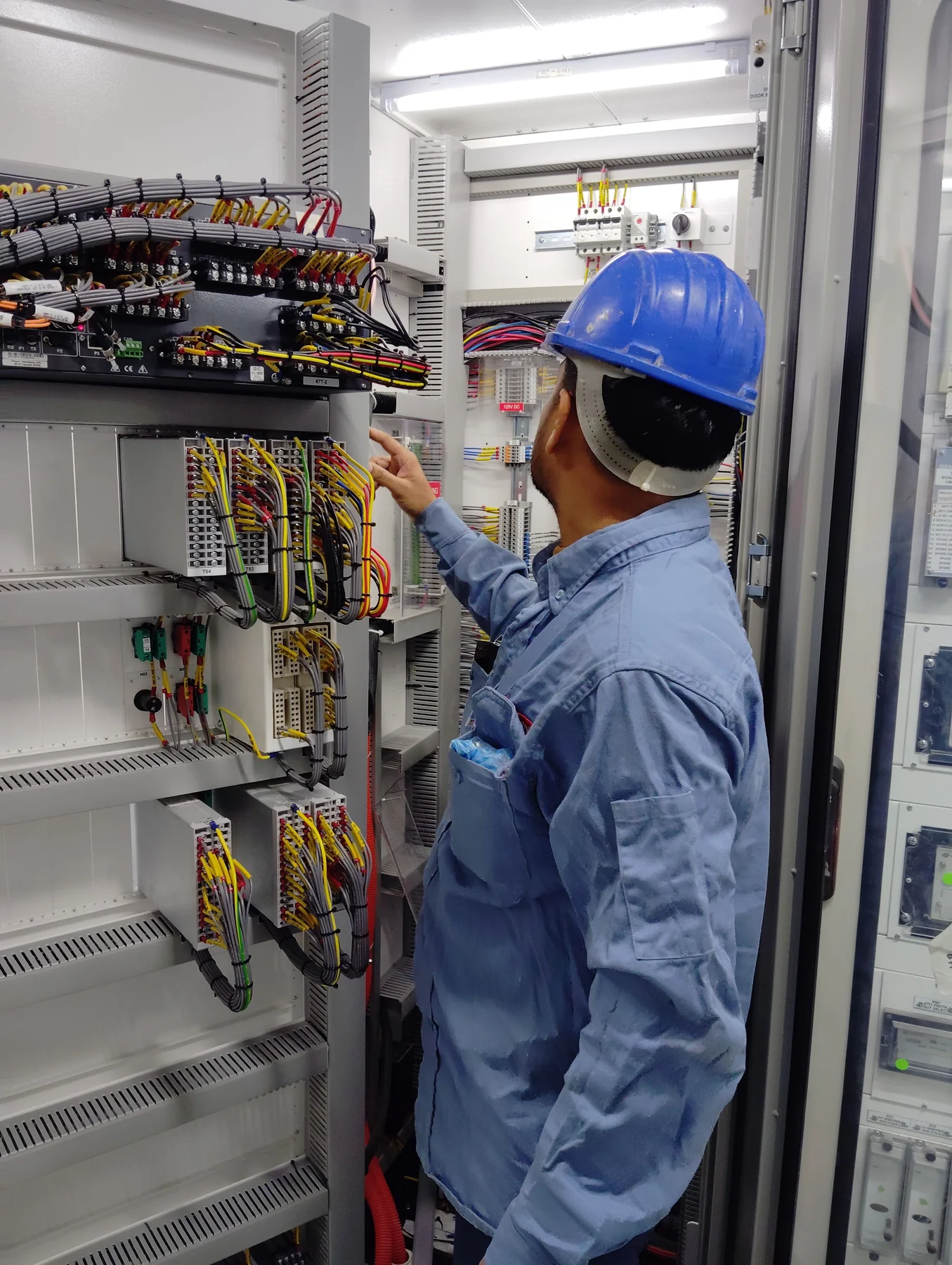
Start with the utility or other incoming supply shown on the drawing, then follow the path through the main device and distribution sections to the outgoing feeders. This basic trace helps buyers and the manufacturer discuss what equipment the project appears to require and where circuit divisions occur. Note whether the diagram identifies one source or multiple sources, and whether a transfer arrangement or tie is shown. Symbols and labels can vary between drawing sets, so unclear abbreviations should be marked for clarification rather than guessed. A one-line is a simplified representation; it does not show every physical connection, compartment, or control detail. Use it to organize the equipment conversation, then compare its assumptions with the project specifications and the responsible electrical designer’s documents before treating the arrangement as settled.
Check device and feeder data
For each main device and feeder, compare the drawing’s labels with the available project information. Useful items to locate include nominal system voltage, continuous current requirements, poles, device type, feeder destination, and any stated interrupting or withstand values. Their presence on a drawing does not establish that the values are adequate or that a proposed assembly has a matching rating. Record missing, conflicting, or ambiguous entries as questions for the project engineer and equipment quote. Feeder names also matter: a label such as “mechanical” may not identify the actual load or its starting characteristics. Avoid filling gaps with assumptions based on a similar facility. A clear discrepancy list helps buyers coordinate the one-line with schedules and specifications while keeping design authority and final equipment selection with the responsible parties.
Flag fault and protection gaps
A useful review identifies whether the drawing or companion documents provide the information needed to discuss fault-current and protective-device requirements. The one-line may show device types and locations without stating available fault current, interrupting ratings, settings, coordination intent, or the basis for protection choices. Mark those omissions for confirmation; do not infer values from a building name, service voltage, or neighboring equipment. Depending on project scope, the engineer may need utility data, a short-circuit and coordination analysis, or other design documentation. Switchgear ratings and protective arrangements must be evaluated against applicable project requirements by qualified responsible professionals. The document review can help organize questions before a new-equipment quotation, but it does not calculate fault duty, select protection settings, certify an engineering design, or establish code compliance.
Review ties and operating modes
When a one-line shows a bus tie, alternate source, generator connection, or transfer scheme, clarify the intended operating states. Ask which devices are normally open or closed, what conditions permit a source transfer, and whether loads are expected to operate in parallel. The drawing may not state whether operation is manual or automatic, how interlocking is intended, or which loads remain energized during a transition. Those are important distinctions because they can affect device arrangement, controls, and project coordination. Do not assume that a tie is intended for routine closed-transition operation simply because it is drawn between sections. Capture each unclear mode as a question for the engineer and controls documents. Confirm the approved sequence and equipment requirements before procurement; a diagram review alone cannot establish a safe switching procedure or validate the operating design.
Prepare a useful review set
For an efficient discussion, provide the current one-line and identify its revision, project voltage, source information, equipment scope, and any related specifications or feeder schedules available. Mark known questions directly, but preserve the original drawing so reviewers can distinguish existing notes from proposed changes. If documents disagree, list the conflicting references rather than choosing one as authoritative. The resulting discussion can help define what information is needed to quote a custom new switchboard or applicable UL 891 assembly; the actual construction, ratings, lead time, and schedule require quote and verification. Switchgear Builder Virginia manufactures in the United States using all-American components, builds to project requirements, and ships nationwide. A document review is a planning aid, not an engineering stamp, field verification, approval, or substitute for the project team’s final design decisions.