
SERVICES / MANUFACTURER DIRECT
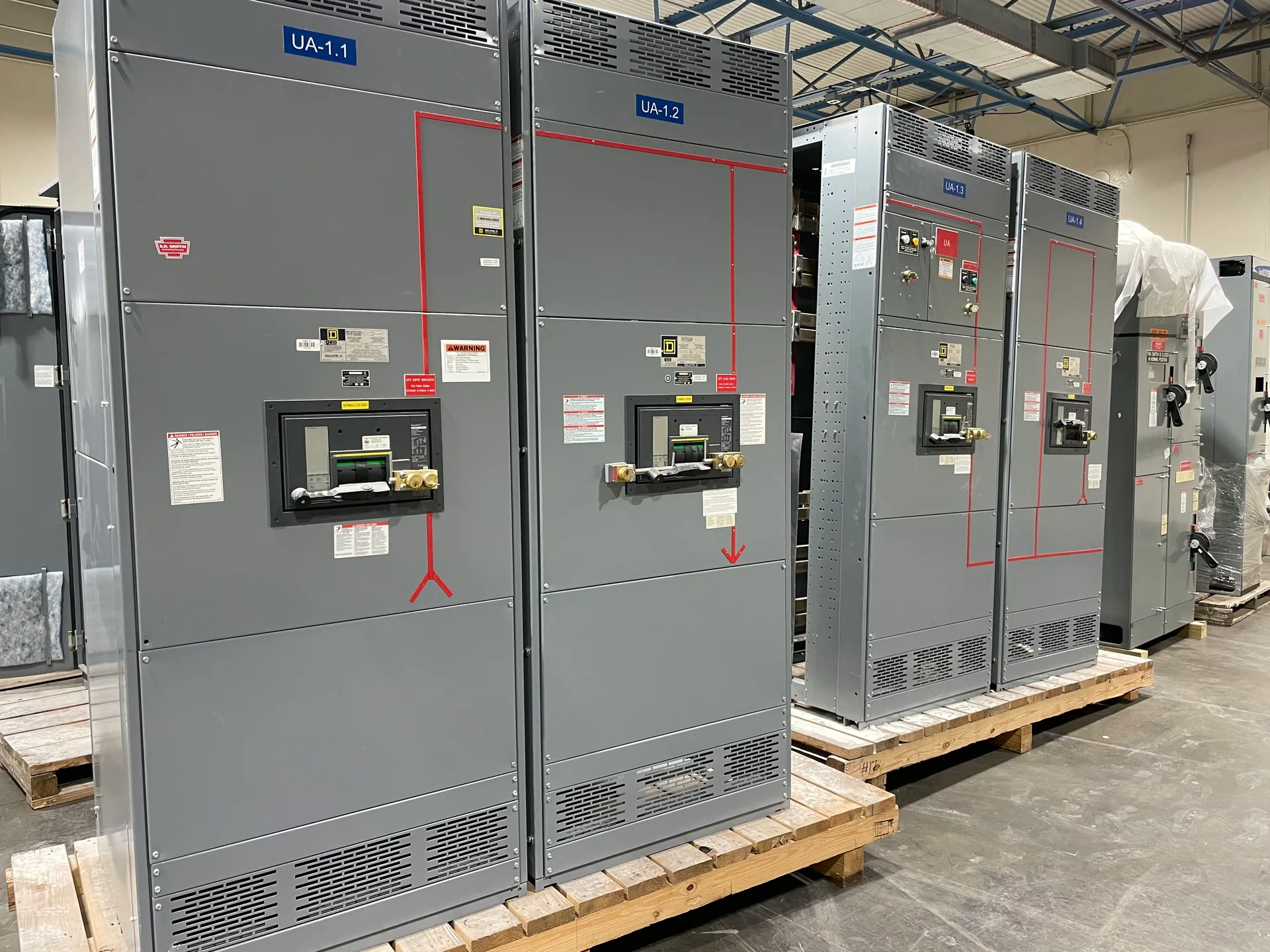
Switchgear engineering turns project criteria into a coordinated equipment design. For a new assembly, electrical inputs define the system the equipment must serve; mechanical inputs shape its layout, access, and installation interfaces. Early coordination helps the manufacturer identify open questions before drawings and submittals are prepared. The engineer of record (EOR) retains responsibility for project design decisions and review. Switchgear Builder Virginia manufactures custom equipment in the USA using all-American components, with nationwide shipping. Configuration, ratings, schedule, and applicable standards depend on the project and must be confirmed through quotation and technical review.
Electrical Design Inputs
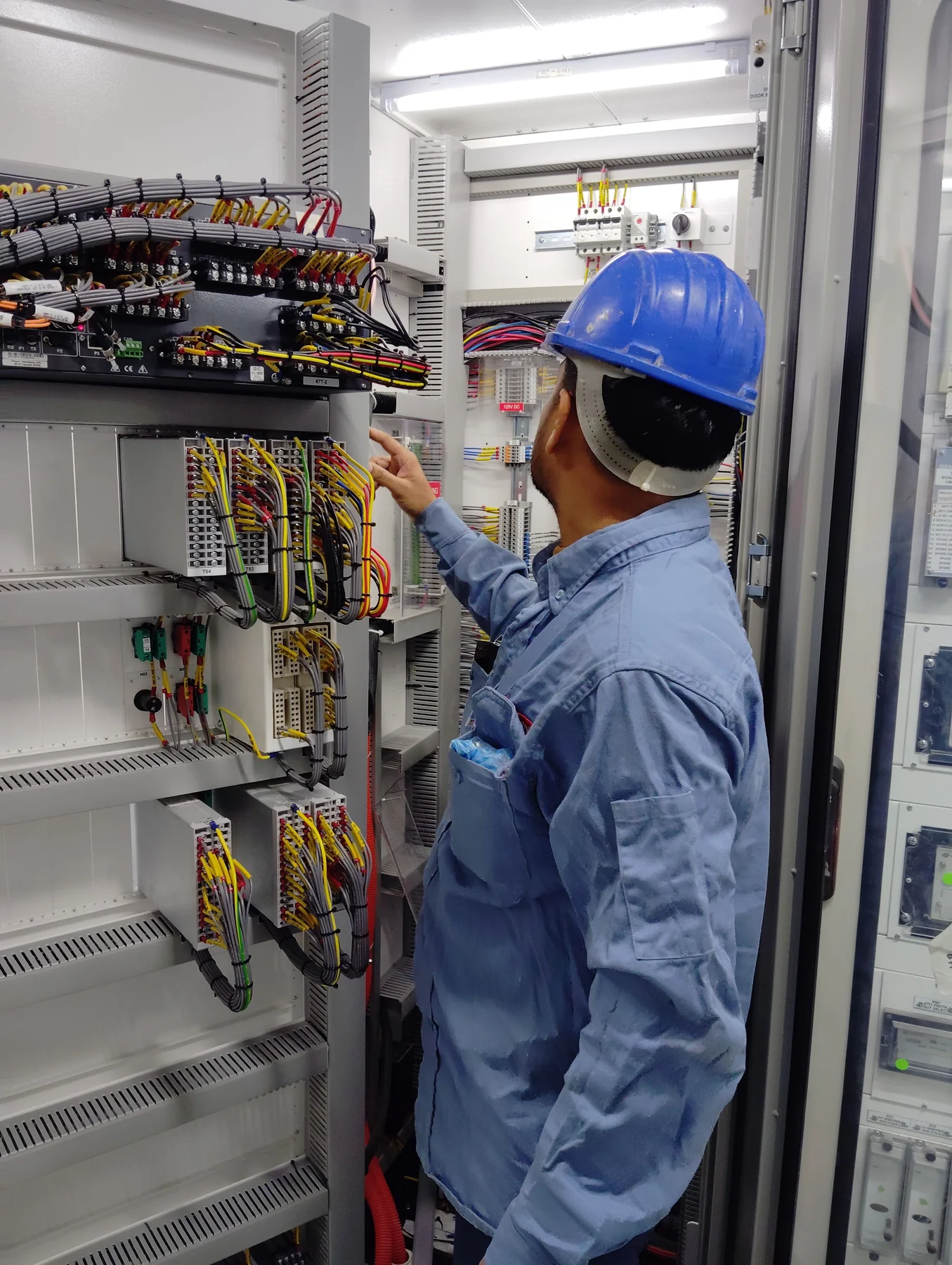
Start with the one-line diagram and the project’s stated system voltage, phase, frequency, available fault current, and grounding approach. These inputs help define the equipment arrangement and identify ratings that require confirmation; they are not interchangeable assumptions. Provide the intended source and load connections, feeder quantities, ampacity requirements, and any specified main-device or tie arrangement. Note whether the project calls for particular metering, protective devices, control power, or communications interfaces. Existing drawings can help explain the system, but the EOR should identify which documents govern when they conflict. The manufacturer can use the submitted criteria to develop a proposed configuration and flag missing information. Final equipment ratings and component selections remain subject to review against the application and approved project documents. Do not infer suitability from a voltage or current value alone; the complete system conditions and applicable requirements matter.
Mechanical and Site Criteria
Mechanical inputs determine how the lineup fits the room and connects to the building. Share available floor space, lineup orientation, access clearances specified by the design team, door and aisle constraints, and the intended cable-entry direction. Identify whether conductors enter from above or below, where the equipment must interface with conduit or busway, and any dimensional limits imposed by doors, elevators, or the installation route. Room conditions, enclosure type, seismic or other project-specific requirements, and environmental considerations should be stated for verification rather than assumed. Confirm mounting and anchorage details with the responsible design professionals. These details can affect section widths, compartment placement, ventilation provisions, and service access. A dimensioned room plan and interface drawings are more useful than a general description. The final layout must be checked against the site, governing documents, and the approved equipment drawings before fabrication.
EOR Coordination
The engineer of record establishes the project’s electrical design criteria, selects or approves system protection and coordination requirements, and resolves design questions that affect the wider installation. The manufacturer’s role is to use the supplied criteria to configure and document the equipment, identify apparent gaps, and respond to comments within the agreed scope. That coordination does not transfer the EOR’s design responsibility to the manufacturer, nor does a manufacturer drawing replace project approval. Agree on who provides fault-current data, device settings, control schematics, interconnection details, and final acceptance of deviations. If the one-line, specifications, and schedules differ, request written direction from the responsible design contact rather than choosing an interpretation. Keep decisions and revisions traceable in the submittal record. Clear ownership reduces late changes, but it cannot establish suitability until the project team reviews the design against the actual installation and requirements.
Submittals and Review
A useful submittal package allows the project team to check the proposed lineup against its documents. Depending on scope, drawings may show elevations, dimensions, section arrangement, nameplate data, connection points, and control or wiring information. The package can also identify proposed devices and ratings for review. The EOR and other designated reviewers should compare it with the specifications, one-line, room plan, and interface requirements, then return consolidated comments or approval status through the project’s established process. Mark deviations explicitly; silence or a preliminary drawing should not be treated as acceptance. Review comments may lead to clarification or a revised configuration, so establish document versions and approval milestones before release. The exact submittal contents and review sequence are project-specific. For applicable low-voltage switchboards, UL 891 may be a stated requirement; applicability and assembly details must be confirmed for the quoted equipment.
Reviews, Scope, and Release
Before release, confirm that open technical questions have an identified owner and that the latest approved drawings reflect agreed project decisions. Check equipment ratings, device and feeder schedules, dimensions, cable interfaces, control requirements, and any listed or inspection requirements stated in the contract documents. Ask whether required tests, witness points, documentation, or third-party reviews are included in the specified scope; their availability and applicability must be verified rather than presumed. Changes after approval can affect design, price, and schedule, so route revisions through the project’s documented change process. A quote should distinguish confirmed requirements from assumptions that still need EOR direction. Switchgear Builder Virginia builds custom new switchgear in the USA with all-American components and offers nationwide shipping. Lead times and shipment timing depend on the quoted scope and confirmation; no delivery date should be relied on until it is stated and verified for the project.