
APPLICATIONS / MANUFACTURER DIRECT
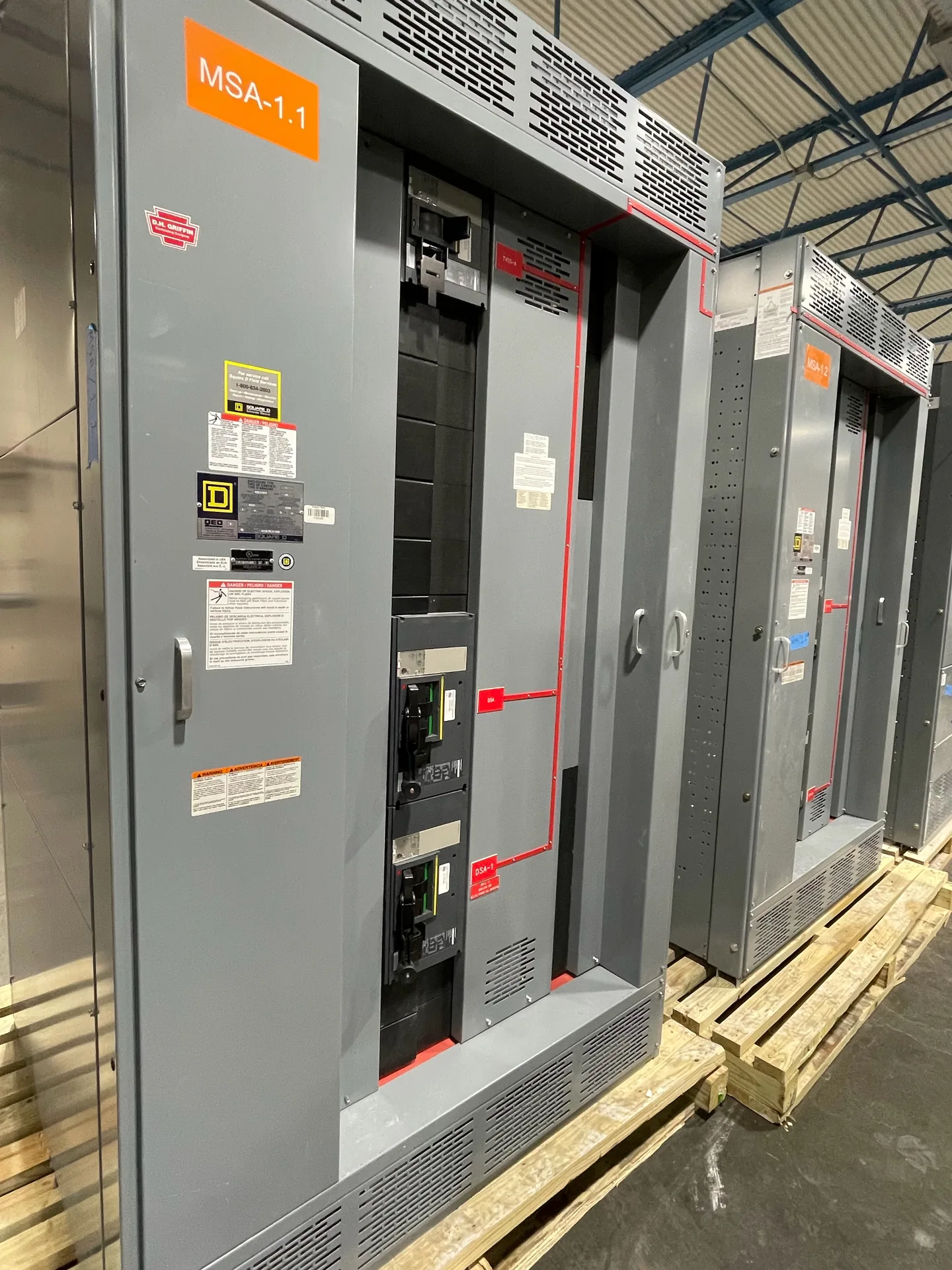
A server room power upgrade begins with the loads and constraints already present—not an assumed data-center design. Switchgear Builder Virginia can manufacture new, custom switchgear for projects that call for it, with all-American components and direct USA manufacturing. Before specifying an assembly, buyers should document existing panel capacity, cooling demand, backup-source interfaces and the route equipment must take into the room. The right configuration, ratings and schedule depend on project details and require verification during quoting.
Map Existing Capacity
Start with the electrical records and field information available for the existing service and distribution equipment. Identify the source, voltage, phase, bus ratings, main and feeder devices, spare positions, connected loads and any known limitations; verify uncertain details rather than treating an old label or drawing as conclusive. Compare measured or documented demand with the proposed server and support loads, including cooling, lighting and auxiliary systems. A new assembly can be specified around a defined load plan, but the design team must determine whether the existing service and upstream equipment can support it. Consider whether the project requires new distribution, a replacement assembly or a staged changeover, since each affects space, coordination and outage planning differently. Switchgear Builder Virginia can review project requirements for a custom new build; equipment ratings and configuration are subject to quote and verification.
Account for Cooling
Cooling equipment can materially affect the electrical scope, so list its supply requirements alongside the computing load. Document each unit’s voltage, phase, rated current, starting characteristics where available, disconnect arrangement and expected operating sequence. Include pumps, fans, controls and any planned cooling additions rather than counting only the main server-room equipment. The electrical designer should evaluate how these loads operate together and whether their starting or cycling behavior affects feeder and protective-device selection. Do not treat a future cooling expansion as covered unless its capacity is included in the project basis. Also coordinate equipment locations and cable routes with mechanical plans; a workable electrical lineup still needs accessible working space and a practical path for conductors. Buyers should provide load schedules and mechanical equipment data when requesting a quote. Final ratings and coordination details require project-specific engineering and verification, not assumptions based on room size alone.
Define Backup Interfaces
Describe the intended backup-source arrangement without presuming the room needs a particular level of redundancy. Identify the available source types, transfer equipment, connection points, operating sequence and which loads are intended to receive backup power. If a generator, UPS or other source is part of the project, provide its documented electrical characteristics and the design team’s interface requirements. These details affect how new distribution is arranged and how normal and alternate sources are separated and controlled. A server room may have different continuity goals from a large data center, so specify the actual operating objective instead of importing another facility’s architecture. Confirm what equipment is existing and what is included in the new scope. Switchgear Builder Virginia manufactures new custom assemblies; source interfaces, device selections, ratings and any required approvals must be reviewed and verified for the specific project before they are represented as available features.
Plan Room Access
Room access can determine whether a proposed assembly is practical to install. Measure door openings, corridor turns, ceiling heights, floor transitions and available staging space, then share those dimensions with the project team. Record the lineup’s intended location, working clearances, cable-entry direction and any limits on moving or rigging equipment through the building. Verify floor loading and environmental conditions with the responsible design professionals rather than assuming the room can support a selected configuration. Where space is tight, compare a compact arrangement with a lineup that leaves more room for access, maintenance and future feeders; a smaller footprint may constrain routing or expansion. Coordinate dimensions and shipping sections before finalizing the layout. Nationwide shipping is available from Switchgear Builder Virginia, but shipping does not establish that equipment will fit the building or that delivery timing is fixed. Access, handling and schedule must be confirmed for the project.
Prepare the Specification
A useful quote package brings the load data, source arrangement, room dimensions and project schedule together. Include current one-lines and panel schedules if available, proposed loads, cooling equipment data, backup-interface requirements, operating objectives and any known outage constraints. Identify the governing project requirements and the responsible engineer’s decisions about voltage, fault current, protective devices, enclosure and applicable standards. Do not infer a switchboard rating or certification from a general description of the room. UL 891 applies only where the specified product is an applicable low-voltage switchboard; confirm whether that construction is required for the project. Switchgear Builder Virginia offers direct USA manufacturing, all-American components and custom builds, with short lead times subject to quote and verification. A complete scope helps clarify options and open questions; it does not replace engineering review or establish a delivery date, rating or approval before confirmation.