
BUYING INTENT / MANUFACTURER DIRECT
A retrofit quote starts with a clear picture of the equipment and the work being considered. Record nameplate details, ratings, component condition, connections, available drawings, proposed changes, and the tests you want included. These details help distinguish a component upgrade from a broader replacement and identify questions that need field verification. Switchgear Builder Virginia manufactures new switchgear and custom assemblies; whether a proposed change can fit an existing installation must be evaluated against its actual dimensions, interfaces, and requirements. Use this checklist to organize information for a quote, not as confirmation that a retrofit is compatible or that a particular scope is available.
Identify the Equipment
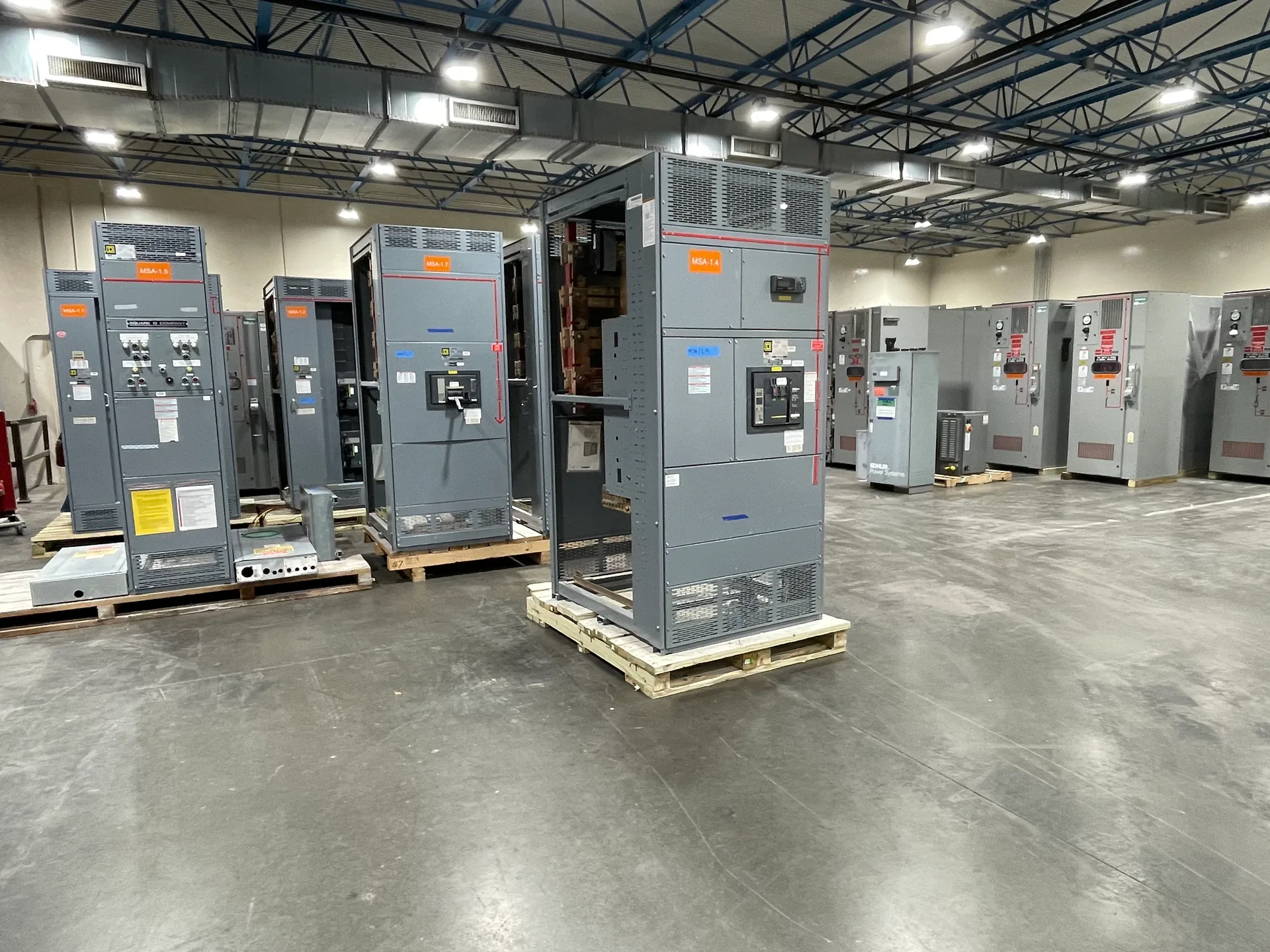
Start with the equipment nameplate and capture the manufacturer, model or catalog number, serial number, equipment type, and any recorded manufacture date. Photograph the full nameplate and the complete lineup, then take readable images of individual sections, doors, labels, and visible components. Record the system voltage, current ratings, interrupting or short-circuit ratings, and bus information only as shown on documents or markings; do not infer missing values from appearance. Note the number of sections, breaker or switch positions, and any known feeder or main arrangement. If records conflict with labels, preserve both versions and flag the discrepancy. These identifiers give a reviewer a defined starting point and can help establish whether drawings, parts information, or a replacement approach need further investigation. They do not establish that proposed components will fit or perform as intended.
Record Condition
Describe observed condition by component and location rather than using a broad label such as “good” or “bad.” List missing, damaged, modified, or visibly deteriorated parts, and note unusual heat marks, corrosion, contamination, moisture exposure, or mechanical damage if observed. Include when the condition was noticed and whether maintenance or inspection records are available. Do not remove covers or approach energized equipment to gather information; use existing records and photographs taken under safe, authorized conditions. A qualified professional can determine what inspection is appropriate and whether equipment must be de-energized. The quote request should distinguish confirmed observations from suspected problems. Condition affects scope: a proposed component change may prompt questions about adjacent devices, bus connections, barriers, wiring, or enclosure condition. Photos and a concise issue list support review, but they cannot substitute for inspection or prove that an existing assembly is suitable for continued use.
Gather Interface Drawings
Collect the latest available one-line diagram, elevation and plan drawings, wiring diagrams, connection details, and equipment schedules. Include revisions and note whether each document reflects the installed lineup or an earlier design. Record enclosure dimensions, section widths, mounting details, cable entry locations, bus arrangement, control-power sources, and terminal or wire interfaces when those details are documented. Mark proposed changes clearly, but do not assume that matching dimensions alone establish electrical or mechanical compatibility. If drawings are unavailable, list the measurements and photographs that can be provided and identify details that remain unknown. Existing systems may have field modifications that are not shown on original plans, so information should be checked against the actual installation before a fit decision. A complete interface package helps reviewers identify missing data and determine whether a site visit, additional engineering, or a different scope should be considered.
Define the Proposed Scope
State what the project is intended to accomplish: for example, changing a component, revising a feeder arrangement, addressing documented condition concerns, or evaluating replacement of an existing lineup with new equipment. Identify affected sections and devices, known load or coordination requirements, control functions, and any interfaces that must remain unchanged. Separate required outcomes from preferred features, and list exclusions or work expected from others. If the request includes new switchgear, describe the application and constraints rather than presuming an existing assembly can accept a particular upgrade. Switchgear Builder Virginia builds new switchgear and custom assemblies in the United States using all-American components, with nationwide shipping; configuration, applicable requirements, schedule, and ratings are subject to quote and verification. A defined scope makes it easier to identify assumptions, unresolved engineering questions, and whether the request concerns new equipment rather than an unverified modification to existing gear.
Specify Review and Tests
List the inspection, documentation, and test scope you want considered, and ask the quote to state what is included, excluded, or dependent on field findings. Depending on the equipment and project requirements, topics for review may include dimensions, electrical interfaces, control operation, protective-device coordination information, and acceptance or commissioning responsibilities. Name the records or reports you expect, and clarify who will arrange any site inspection, outage, removal, installation, and final verification. Do not treat a requested test as evidence that it is included, available, or sufficient; confirm the procedure, responsibility, and applicable acceptance criteria in writing. For new low-voltage switchboards, ask whether UL 891 applies to the proposed assembly and configuration; applicability and any listing details require verification. Before committing, resolve fit, scope, ratings, and schedule assumptions against project documents and actual site conditions. A quote is not a substitute for required engineering review or field verification.