
BUYING INTENT / MANUFACTURER DIRECT
A useful switchgear replacement quote starts with evidence about the existing installation, the loads it serves, and the limits on changing it. Switchgear Builder Virginia can use nameplate details, photographs, dimensions, operating requirements, the available one-line diagram, and outage constraints to develop a custom-build scope for new equipment. Gather what you can safely access, note what is unknown, and identify site conditions that need confirmation. Ratings, compatibility, schedule, and final configuration must be reviewed and verified for the project.
Switchgear Replacement Quote Checklist
Start with the information that identifies the existing equipment: manufacturer, model or type, serial number if visible, nominal voltage, current rating, frequency, and any listed short-circuit or withstand markings. Photograph nameplates clearly, including labels on sections, breakers, and major components, but do not open energized compartments or approach exposed live parts to get a picture. Record the date and source of each detail, since documents and installed equipment may differ. If a marking is unreadable, report it as unknown rather than estimating. These notes help distinguish a replacement that may fit an established arrangement from one requiring a broader redesign. A nameplate value is a reference for engineering review, not proof that a proposed new assembly is suitable. The quote scope should identify which ratings and interfaces need confirmation before equipment is specified.
Photos, Dimensions, and Access
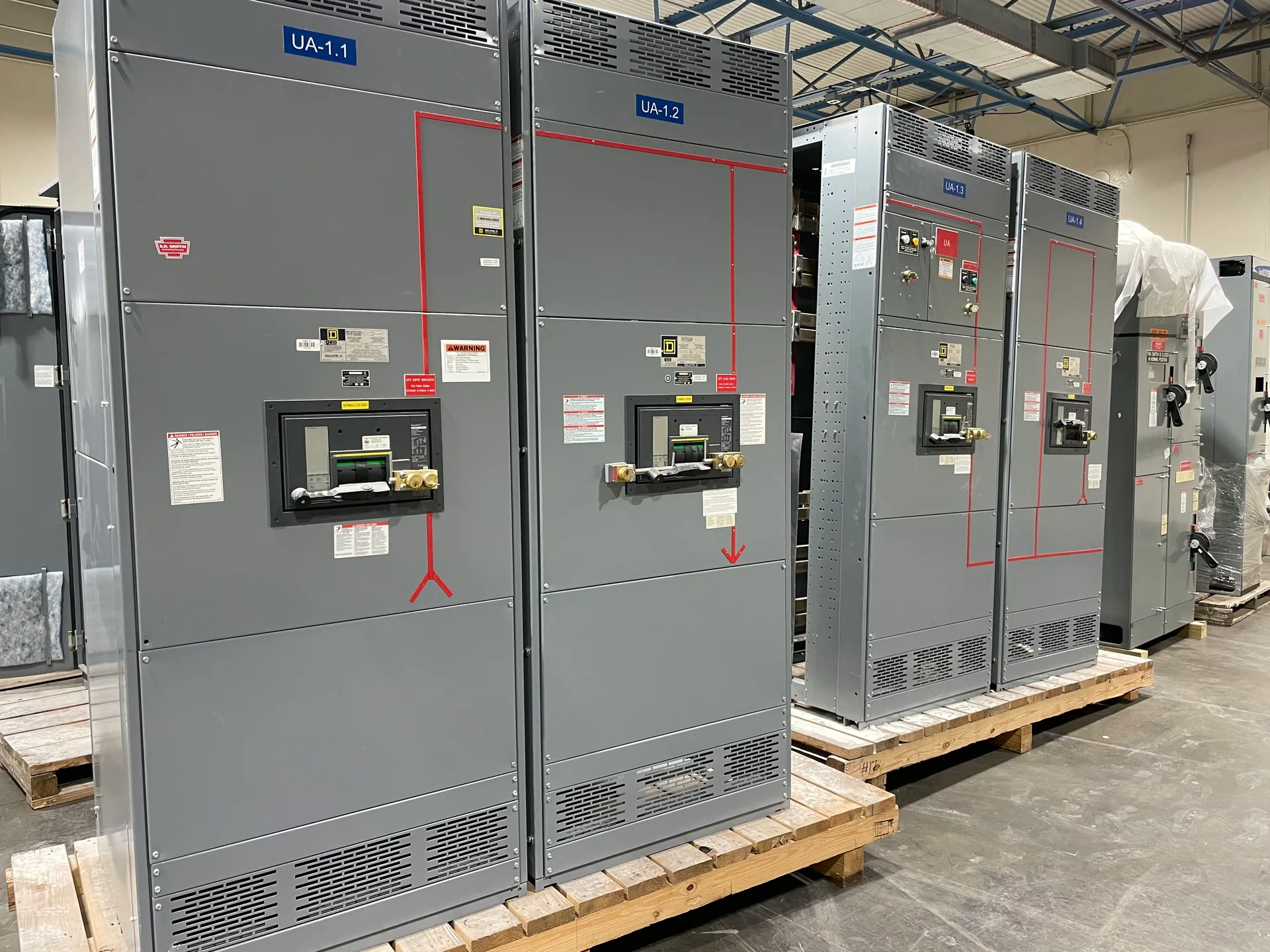
Provide overall photographs of the lineup and room, plus close views of visible labels, cable entry areas, adjacent walls, and the equipment front and sides. Include a scale or measured dimensions where practical, and note obstructions such as columns, door swings, overhead piping, floor openings, or limited turning space. Record available room width, height, depth, door clearances, and the route from receiving point to final position. These observations help identify whether a replacement can follow the existing footprint or whether layout changes may need review. Do not assume matching exterior dimensions means matching cable locations, internal arrangement, or service clearances. State whether dimensions are verified or approximate, and flag anything inaccessible for later field confirmation. Site access and handling requirements can affect the proposed sections, shipping configuration, and installation planning, but those details remain subject to project review and quote.
Operating Sequence and One-Line
Include the latest available one-line diagram and mark changes you know have occurred since it was prepared. Identify incoming sources, ties, feeders, transfer arrangements, metering, and any interlocks or operating steps that matter to normal use. Describe the intended sequence in plain language, including which devices are normally open or closed and what operators must be able to do during a source change or maintenance condition. Avoid relying on device labels alone when the actual operating purpose is unclear. A one-line is a starting point, not a complete control or protection design; drawings, settings, and field conditions may require engineering verification. Note whether continuity of particular loads is important and whether temporary arrangements are being considered by the project team. Clear operating requirements help shape a replacement scope without assuming that the old sequence should be copied unchanged.
Outage and Project Constraints
Describe the outage window the facility is considering, who coordinates shutdown approval, and whether work must be divided into phases. Identify critical loads, restricted work hours, site safety or badging requirements, receiving limitations, and any coordination needed with the facility’s electrical contractor or engineer. If the existing equipment cannot be taken out of service at once, explain the operational constraint without assuming a particular temporary-power solution. Such details help the quoting team ask useful questions early; they do not establish that a specific schedule or installation method is feasible. Provide target dates as planning inputs, not as confirmed delivery dates. Switchgear Builder Virginia manufactures new equipment in the United States, uses all-American components, offers custom builds, and ships nationwide. Lead times and shipping arrangements depend on the verified scope and quote, so avoid treating a planning date as a delivery commitment.
Compatibility and Quote Review
Before comparing proposals, check that each one addresses the same incoming and outgoing connections, system requirements, operating sequence, physical limits, and identified unknowns. Ask which assumptions remain open and what drawings, measurements, or approvals are needed to resolve them. Review whether the proposed scope includes the sections and functions your project actually needs, rather than comparing a headline rating or footprint alone. For applicable low-voltage switchboard assemblies, ask whether UL 891 construction is relevant to the requested scope; it does not apply to medium- or high-voltage equipment. Ratings, compatibility, inspections, tests, approvals, and listings must be confirmed for the specific quoted assembly and project. A complete information package cannot replace site verification, but it can reduce avoidable ambiguity and help identify decisions before an order is finalized. Keep a record of revisions so the final quote reflects the current requirements.