
COMPARISONS / MANUFACTURER DIRECT
Modernization and full replacement solve different problems. A focused upgrade may address controls, protection, or obsolete components while preserving suitable existing equipment. A new lineup may be the better fit when condition, capacity, coordination, or future expansion points beyond a limited scope. The right comparison starts with documented site conditions and a clear definition of what will be changed, tested, and handed over. Switchgear Builder Virginia manufactures new custom switchgear and switchboards; project scope, ratings, schedule, and compatibility require review and verification before quote.
Define the Existing Scope
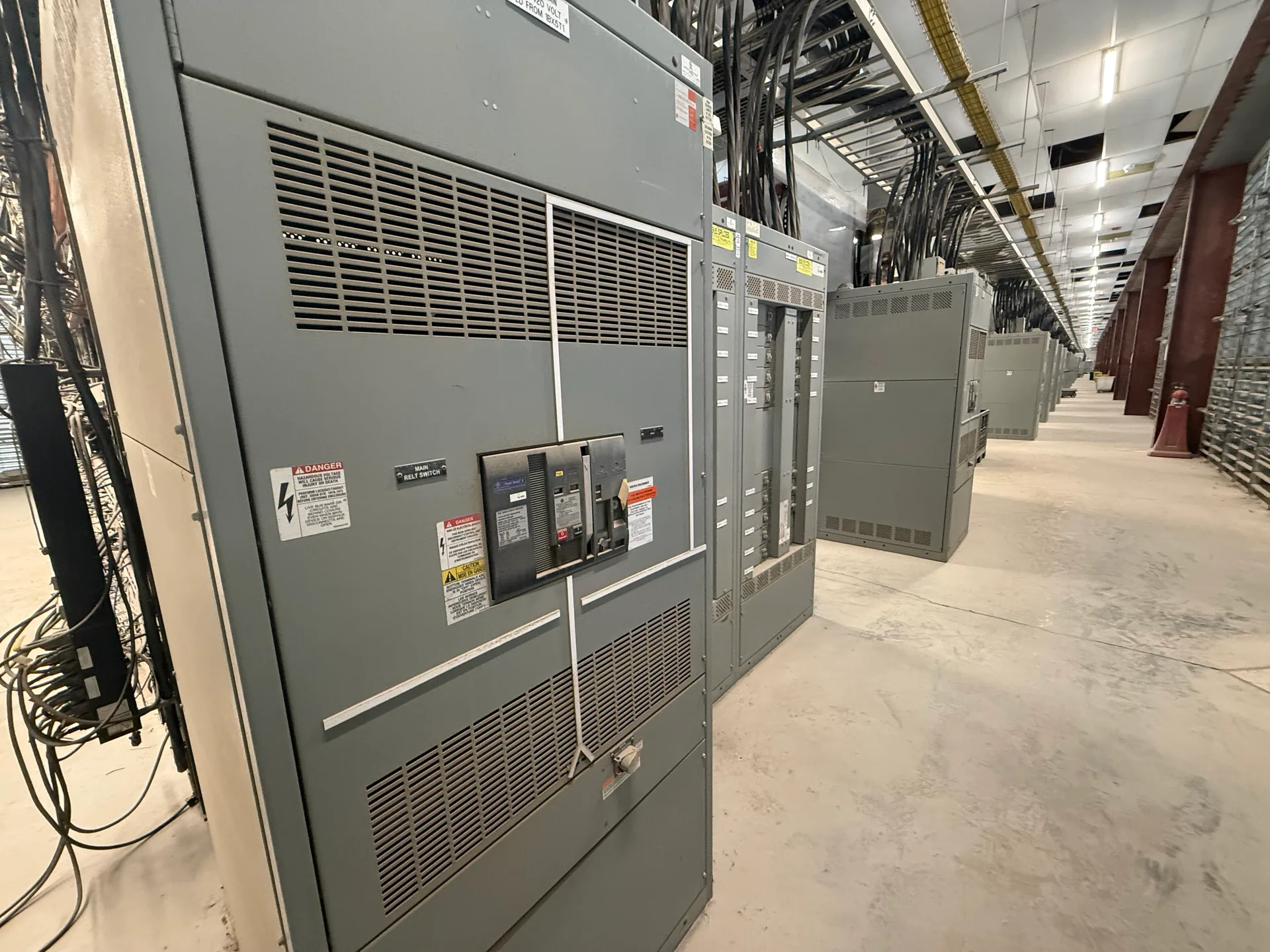
Start by documenting the installed equipment rather than assuming that a single outdated device defines the project. Record nameplate information, one-line diagrams, compartment arrangement, available space, connected loads, operating sequence, and known maintenance or fault history. The condition of bus, insulation, barriers, terminals, and enclosure can affect whether a limited change is practical. Confirm which controls and protective functions must remain, change, or coordinate with other equipment. These findings help separate a component-level need from a lineup-wide limitation. Existing drawings and settings should be checked against field conditions, since revisions may not have been captured. A qualified project team can determine what inspections and outage access are appropriate; work on energized equipment should not be inferred from this comparison. The resulting scope should identify assumptions and items requiring verification before design proceeds.
When Targeted Modernization Fits
A targeted modernization may be worth evaluating when the existing assembly is in suitable condition and the problem is bounded, such as an obsolete control scheme or a protection function requiring review. The proposal should name the exact devices or circuits affected, interfaces that stay in service, wiring changes, and any enclosure or mounting adaptations. Compatibility is not just a matter of matching a device footprint: ratings, sensing, trip logic, control power, communications, and coordination with upstream and downstream equipment may need engineering review. Retaining established equipment can limit demolition and avoid replacing components that remain serviceable, but it can also preserve constraints on capacity, maintainability, or future expansion. The buyer should compare the cost and outage implications of those retained constraints with the risks and scope of a broader project. No assumed retrofit fit should substitute for documentation and verification.
When Replacement Makes Sense
Full replacement becomes a stronger option when the existing lineup has condition concerns, lacks needed capacity or functionality, or cannot support the required changes within a clearly bounded modification. A new assembly can be configured around the project’s verified electrical requirements, operating sequence, available footprint, cable entry, and maintenance access. It may also provide a cleaner basis for documenting the supplied arrangement and planned future spaces. Replacement, however, usually expands the work beyond equipment selection: demolition, rigging, terminations, temporary arrangements, outage planning, commissioning responsibilities, and disposal requirements must be assigned among project parties. Existing room dimensions and connection locations may limit choices, so confirm them before finalizing the design. For applicable low-voltage switchboards, UL 891 assembly requirements may be relevant and should be verified for the quoted configuration; that standard does not apply to medium- or high-voltage switchgear.
Compare the Work, Not Labels
Compare alternatives using the same scope boundaries. List equipment supplied, retained parts, field labor, wiring, interfaces, outage windows, temporary power needs, inspections, testing, and documentation for each option. Establish who owns drawings, settings review, protection coordination, installation, and final acceptance; responsibilities vary by project and should not be assumed. Testing plans should identify the equipment and functions covered, the responsible parties, required records, and any acceptance criteria agreed for the job. Determine what baseline information is needed before work begins and what revised diagrams, device data, settings records, and operating instructions are expected at handover. A modernization can appear smaller while leaving difficult interface work outside the quote; a replacement can appear comprehensive while excluding installation or commissioning. A side-by-side scope exposes those differences before price or schedule comparisons become misleading.
Build a Verifiable Quote
Provide available drawings, photographs, equipment nameplates, load and fault information, preferred functions, site dimensions, and known outage constraints when requesting a quote. Identify the system voltage and whether the project concerns low-voltage switchboards or medium- or high-voltage switchgear, because construction and applicable requirements differ. Switchgear Builder Virginia manufactures new custom equipment using all-American components, with direct USA manufacturing and nationwide shipping; configuration, ratings, lead time, and shipping arrangements are subject to project review and quote. Do not treat an initial concept as a confirmed rating, compatibility determination, approval, or delivery date. The quote should state its design basis, inclusions, exclusions, and assumptions, while required reviews and tests are confirmed for the specific project. Choosing modernization or replacement then becomes a practical decision about verified condition, required performance, installation boundaries, and documented responsibilities—not a label alone.