
COMPARISONS / MANUFACTURER DIRECT
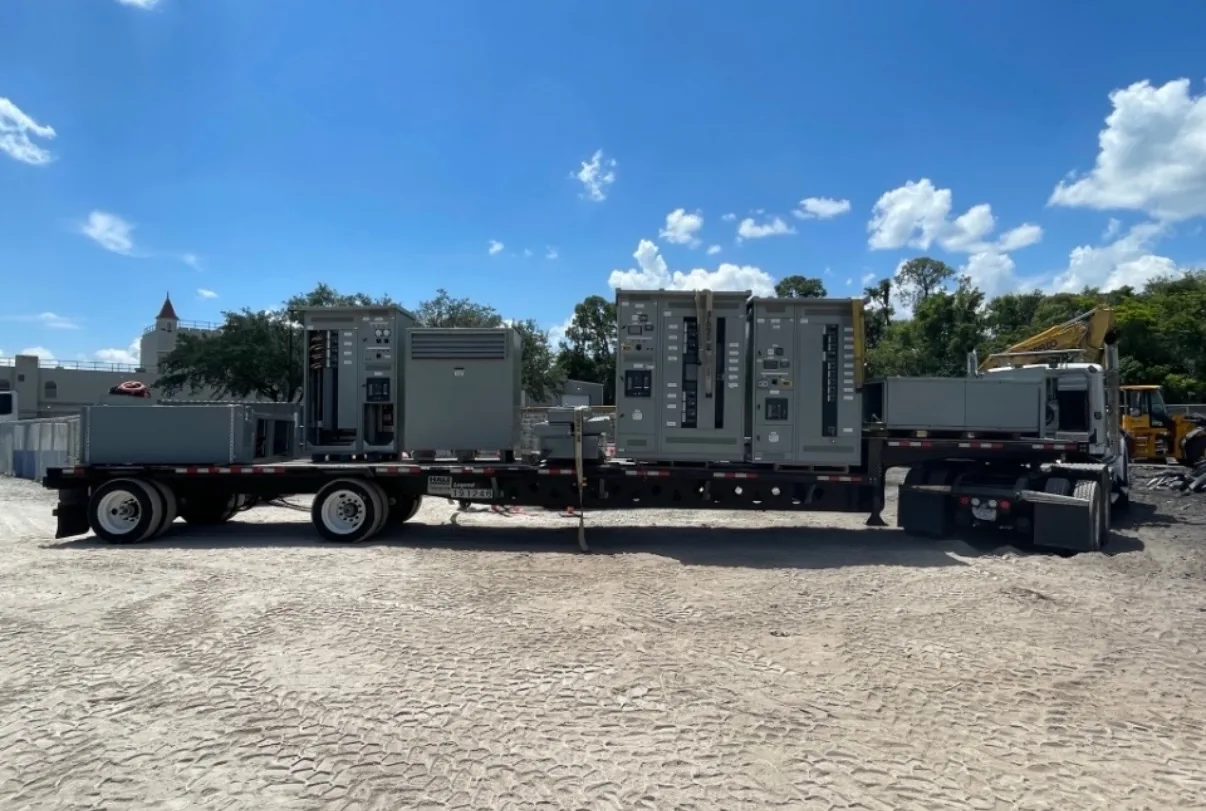
Choosing between a retrofit breaker and a new switchgear lineup starts with the equipment’s actual condition, required performance, and fit with the surrounding electrical system. A breaker replacement may preserve an existing lineup, but only when the breaker and its interfaces are suitable and the retained gear remains acceptable for the application. A new lineup can address broader needs, while adding scope for connections, space, and outage planning. Switchgear Builder Virginia manufactures new custom switchgear in the USA using all-American components and ships nationwide. Compare these project factors before requesting a quote; ratings, schedule, and configuration require review and verification.
Scope of the Work
A retrofit breaker project typically focuses on replacing or adapting a breaker within an existing assembly. That can limit the physical scope, but it does not automatically resolve concerns with the bus, insulation, enclosure, controls, or other components that remain in service. A new lineup replaces a broader portion of the assembly and may better suit changed capacity, arrangement, or operating requirements. It also brings added design and installation coordination, including space, foundations or supports, cable routing, and connections to existing equipment. Before comparing costs, define what is included in each option: engineering, breaker or lineup supply, modifications, installation, testing, and commissioning may be separate responsibilities. Have qualified project professionals assess the existing gear and document the intended scope. The right comparison is not simply one breaker versus a complete lineup; it is the work needed to meet the project’s verified requirements.
Condition and Ratings
The condition of retained equipment is central to a retrofit decision. Review available records and arrange an appropriate assessment of the breaker, its mechanism, contacts, insulation, bus, enclosure, and protective devices. The condition of one component does not establish the condition or remaining suitability of the full assembly. Confirm that the proposed breaker is compatible with the specific gear and that its electrical and interrupting ratings meet the application. For a new lineup, specify system voltage, continuous current, short-circuit duty, frequency, and other applicable requirements for engineering review; do not assume a product’s suitability from a catalog description alone. Ratings and configurations are subject to quote and verification. If a low-voltage switchboard is involved, UL 891 may apply to the assembly, depending on the design and scope. It does not describe medium- or high-voltage switchgear.
Interfaces and Compatibility
A retrofit can depend on precise physical and electrical interfaces: breaker dimensions, mounting arrangement, primary connections, control wiring, interlocks, and the existing protection scheme. Similar names or nominal ratings do not prove that a replacement breaker fits or functions correctly in a particular lineup. Gather manufacturer and model information, drawings, nameplate data, and relevant maintenance or modification records for qualified review. A new lineup requires a different interface review. Engineers may need to coordinate incoming and outgoing conductors, bus connections, protective relays, metering, communications, grounding, and adjacent equipment. If the new assembly must connect to retained gear, define those boundaries early and verify the connection design. Custom builds can address project-specific requirements, but each detail must be established and checked before fabrication. Switchgear Builder Virginia can review a new-equipment scope for quotation; compatibility and final ratings require project-specific verification.
Outage and Installation
Outage constraints can influence which option is practical, but neither a breaker retrofit nor a new lineup should be treated as a quick, predictable swap. The project team should identify the loads affected, acceptable outage windows, temporary operating arrangements, access limits, and dependencies on other work. A retrofit may involve less equipment replacement, yet still require careful isolation, installation coordination, and checks of the retained assembly. A new lineup may require more space preparation, cable work, and coordination with connected systems. Its delivery and installation sequence must be planned against verified project conditions, not assumed from a standard lead time. Request a scope that identifies responsibilities for site work, inspections, testing, and commissioning. Any outage plan or live-system work must be developed by qualified personnel under applicable procedures; this comparison is not an instruction for performing electrical work.
Make the Comparison
Compare both alternatives against the same written requirements. Include the condition and documented ratings of retained gear, breaker compatibility, protection needs, connection changes, physical space, outage exposure, installation scope, testing responsibilities, and expected operating life as assessed by qualified professionals. A retrofit may be worth evaluating when the existing assembly is in suitable condition and a compatible breaker can meet verified requirements. A new lineup may be preferable when retained equipment is unsuitable, requirements have changed, or broader replacement better fits the project scope. These are decision factors, not conclusions about a particular site. Switchgear Builder Virginia manufactures new custom switchgear in the USA with all-American components and offers nationwide shipping; project configuration, ratings, and schedule are confirmed through quotation and review. For applicable low-voltage switchboards, UL 891 requirements should be addressed when relevant to the specified assembly.