
COMPARISONS / MANUFACTURER DIRECT
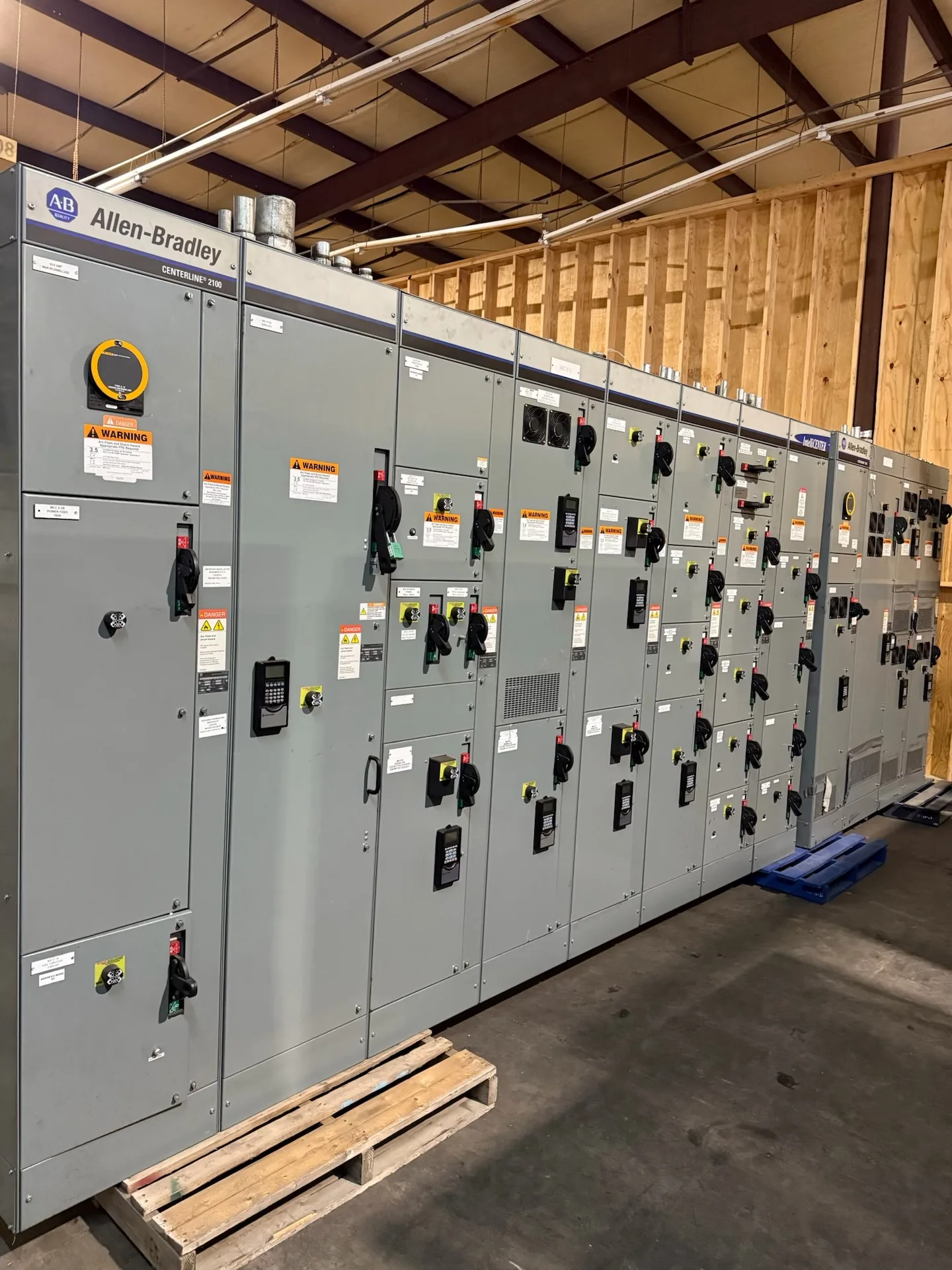
Retrofitting and replacing switchgear solve different problems. A retrofit may preserve suitable existing equipment while updating selected components; replacement provides a new assembly designed around verified project requirements. The right choice depends on the equipment’s condition, ratings, compatibility, outage constraints and expected future loads—not age alone. Switchgear Builder Virginia manufactures and supplies new, custom-built switchgear; project scope, ratings and schedules are confirmed through quotation and engineering review. Begin with an inspection and documented requirements before comparing options.
Start With Condition
An inspection should establish what equipment is present, how it has been maintained, and whether its structure and components remain suitable for the intended service. Review available drawings, nameplates, maintenance records, operating history and known changes to connected loads. Qualified personnel may need to assess wear, corrosion, contamination, signs of overheating, obsolete components and the condition of protective devices. Findings should distinguish repairable issues from limitations that affect safe operation or project feasibility. A retrofit is not automatically practical just because the enclosure remains in place; replacement is not automatically necessary solely because equipment is old. The decision should follow documented observations and applicable engineering review. Inspection scope and any required testing depend on the equipment and site conditions. Do not assume a visual review alone establishes ratings, remaining service life or suitability for continued operation.
Check Ratings and Duty
Compare the equipment’s verified voltage, continuous current, short-circuit withstand or interrupting requirements, and protective-device characteristics with the project’s documented needs. These are related but distinct considerations: a component change does not necessarily increase the capability of the complete assembly. Available fault-current information, upstream protection and coordination requirements may affect the design and must be evaluated by qualified professionals. A retrofit can be constrained by the original structure, bus arrangement or tested combinations of components. Replacement can be designed to meet specified requirements, but proposed ratings still need engineering review and confirmation in the quote. Do not infer a product rating from a brief, a typical application, or a numerical value mentioned in general content. Where a low-voltage switchboard is applicable, ask whether a UL 891 assembly is required and verify its scope for the quoted equipment.
Verify Compatibility
A retrofit depends on the exact equipment design and on whether proposed components are compatible with the installed assembly. Confirm manufacturer and model information, dimensions, bus connections, control wiring, protective-device functions and available replacement parts before defining scope. Similar-looking devices are not proof of interchangeability. Changes can also affect labeling, settings, coordination studies, documentation or approval requirements, so those questions should be resolved by the responsible engineer and relevant authorities before work is planned. Replacement offers more freedom to configure a new assembly around verified loads, interfaces and space constraints, but it also requires a careful transition plan for incoming and outgoing conductors, controls and connected systems. Switchgear Builder Virginia supplies new custom builds; any proposed replacement configuration, options, ratings and applicable assembly requirements are subject to review and quotation. Compatibility should be demonstrated, not assumed from product names alone.
Plan the Outage
Both options can require an outage, and the scope depends on how equipment is connected, what work is included and what temporary arrangements are feasible. Retrofitting may limit the physical replacement scope, yet access, testing, wiring changes and commissioning can still affect outage duration. Replacing an assembly can involve disconnection, removal, setting new equipment, reconnection and verification; some projects may require staged work or temporary power, subject to engineering and site approval. Identify critical loads, acceptable interruption windows, permitting or inspection needs, contractor responsibilities and contingency plans early. No schedule should be inferred from a general description: actual production and project timing depend on the final design, scope, approvals and coordination. Switchgear Builder Virginia offers short lead times as a company capability, but availability and schedule must be confirmed for the specific quoted build. Never trade necessary verification for a rushed changeover.
Compare Long-Term Fit
Consider expected load growth, planned equipment additions, maintenance access, spare capacity, parts support and the cost of future interruptions—not only the immediate work scope. A retrofit may preserve useful infrastructure and reduce the extent of replacement, but it may leave space, bus or component constraints that limit later changes. A new assembly may provide a more suitable arrangement for documented future needs, while requiring greater coordination around physical fit, connections and changeover. Compare options using the same written assumptions: required ratings, included components, installation boundaries, outage plan, testing responsibilities and any exclusions. Ask the project team to identify unresolved conditions and what would change the recommendation. Switchgear Builder Virginia manufactures new switchgear with all-American components and ships nationwide; configuration, applicable UL 891 assembly requirements for low-voltage switchboards, ratings and schedule are verified for each quote. Base the decision on inspected conditions and confirmed requirements.