
FAQ / MANUFACTURER DIRECT
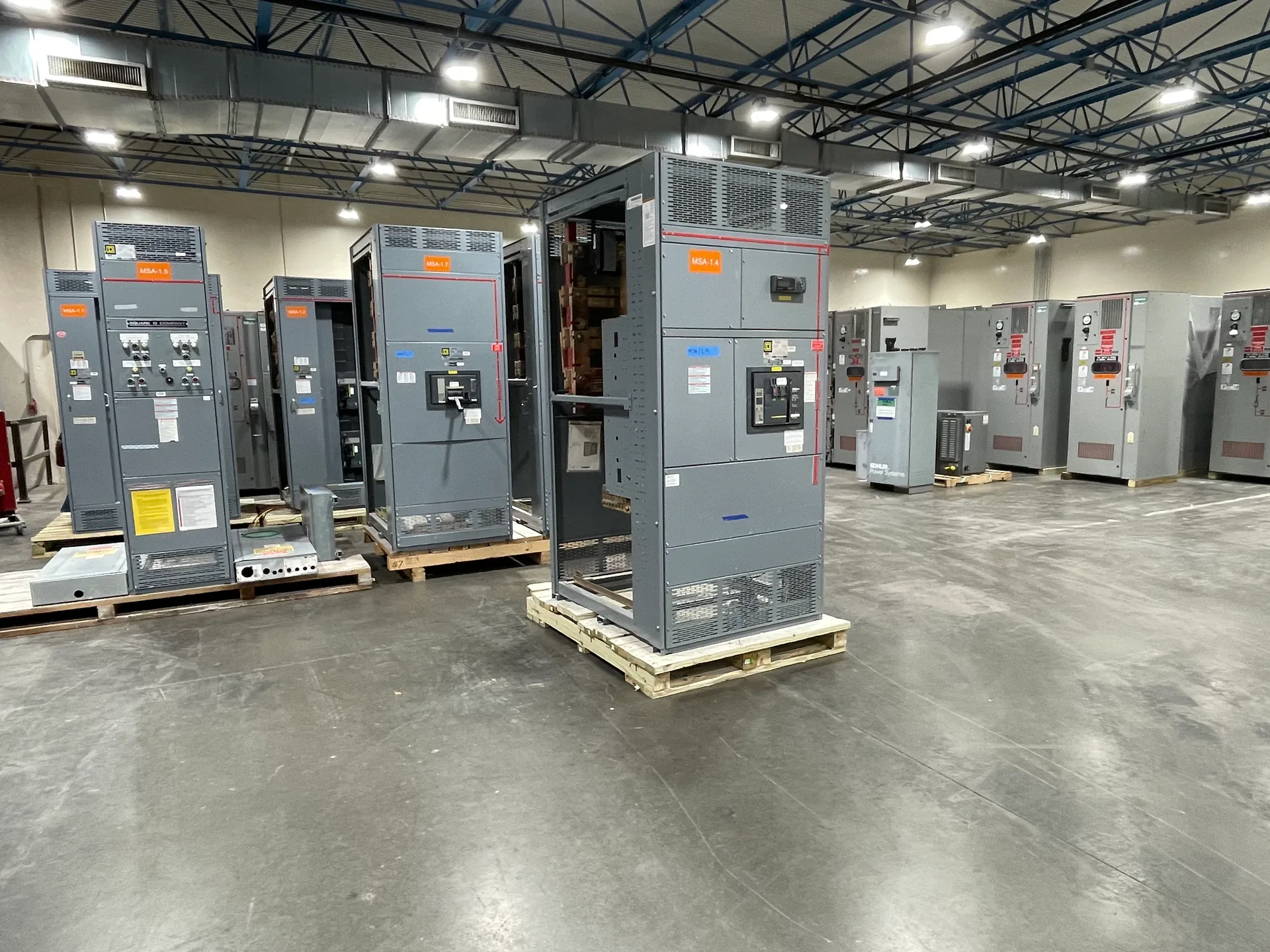
Receiving switchgear is a coordination task, not just a delivery appointment. Before the truck arrives, confirm the route, unloading plan, available equipment, receiving contact and space for protected storage. At delivery, compare the shipment with its documents, inspect accessible surfaces and record any visible concern before signing. The project’s shipping documents and manufacturer instructions control; handling requirements vary by assembly and configuration. Switchgear Builder Virginia manufactures new custom equipment in the USA using all-American components and ships nationwide. Confirm the quoted shipping arrangement and project-specific requirements with the manufacturer and carrier before dispatch.
Plan the delivery route
Check the entire path from the truck’s expected stopping point to the intended receiving or storage location. Confirm gate and door clearances, turning space, overhead obstructions, floor capacity, ramps and any limits on delivery hours. Ask the project team who controls site access and who will meet the driver; do not assume the carrier can enter a restricted area or move equipment beyond the agreed delivery point. Compare the shipping documents with the planned destination and identify any receiving rules, appointment requirements or site contacts that must be communicated in advance. If the route, access window or stopping area is uncertain, resolve it before dispatch rather than improvising at arrival. Requirements depend on the site and shipment, so verify them with the responsible project parties and carrier.
Prepare unloading resources
Decide in advance who is responsible for unloading and what approved equipment, qualified personnel and clear work area are needed. Do not assume a standard delivery includes a crane, forklift, rigging crew, inside placement or movement to the final installation position; confirm the actual shipping arrangement in writing. Use the equipment-specific lifting and handling instructions supplied for the assembly, including any stated lift points, orientation limits or restrictions. Never estimate lifting capacity from appearance or improvise attachment points. Keep people outside the planned movement path, and stop if the equipment, lifting method or site conditions do not match the instructions. Coordinate responsibilities among the buyer, carrier and site team before delivery day. If unloading conditions change, pause and obtain direction from the responsible parties instead of attempting an unplanned move.
Check the shipment
Before signing delivery paperwork, compare the shipment identification, quantity and visible packaging with the bill of lading and other order documents. Inspect accessible sides for punctures, crushing, water exposure, shifted packaging, broken seals or other apparent concerns; note that a receiving inspection cannot establish internal condition or electrical performance. Photograph visible issues and the packaging from several angles, keeping images tied to the shipment and delivery record. If equipment is split across multiple packages or sections, record what arrived and what appears outstanding rather than assuming a complete lineup. Follow the carrier’s procedures for documenting exceptions, and contact the project’s designated representative promptly. Do not remove protective materials or open compartments unless the applicable instructions authorize it and the responsible team agrees. Record observations factually, without guessing at the cause or extent of concealed damage.
Document and report concerns
If damage, shortage or a discrepancy is visible, describe it specifically on the delivery receipt before signing, where the carrier’s process allows. Avoid vague entries such as “subject to inspection” when a concrete observation can be recorded; retain copies of the signed paperwork, photographs, shipment labels and relevant correspondence. Notify the carrier and the seller or manufacturer through the contact and claim process stated in the shipping documents, and do so promptly because reporting procedures and time limits may apply. Keep packaging and protective materials in place until the responsible parties advise what to do. Do not energize, repair, reposition or discard affected materials based only on a visual impression. The project team should determine next steps after reviewing the evidence and applicable instructions. For a Switchgear Builder Virginia order, use the contact and reporting details provided with that specific shipment.
Protect equipment in storage
If installation will not happen immediately, move the shipment only as its handling instructions permit and store it in a location that protects it from weather, moisture, impact, dirt and unauthorized access. Maintain the packaging and orientation specified by the manufacturer; do not assume that a covered outdoor area or a heated building is suitable for every assembly. Check the shipment documents for storage conditions, inspection intervals and any requirements for preserving protective materials, and ask the manufacturer when instructions are missing or unclear. Keep the storage area accessible for scheduled project checks without exposing equipment to avoidable handling. Before installation, review the manufacturer’s instructions and have the responsible project personnel assess whether the equipment remained within stated storage conditions. Switchgear Builder Virginia can confirm project-specific shipping and storage instructions for its custom new equipment; schedules and requirements should be verified for the quoted order.