
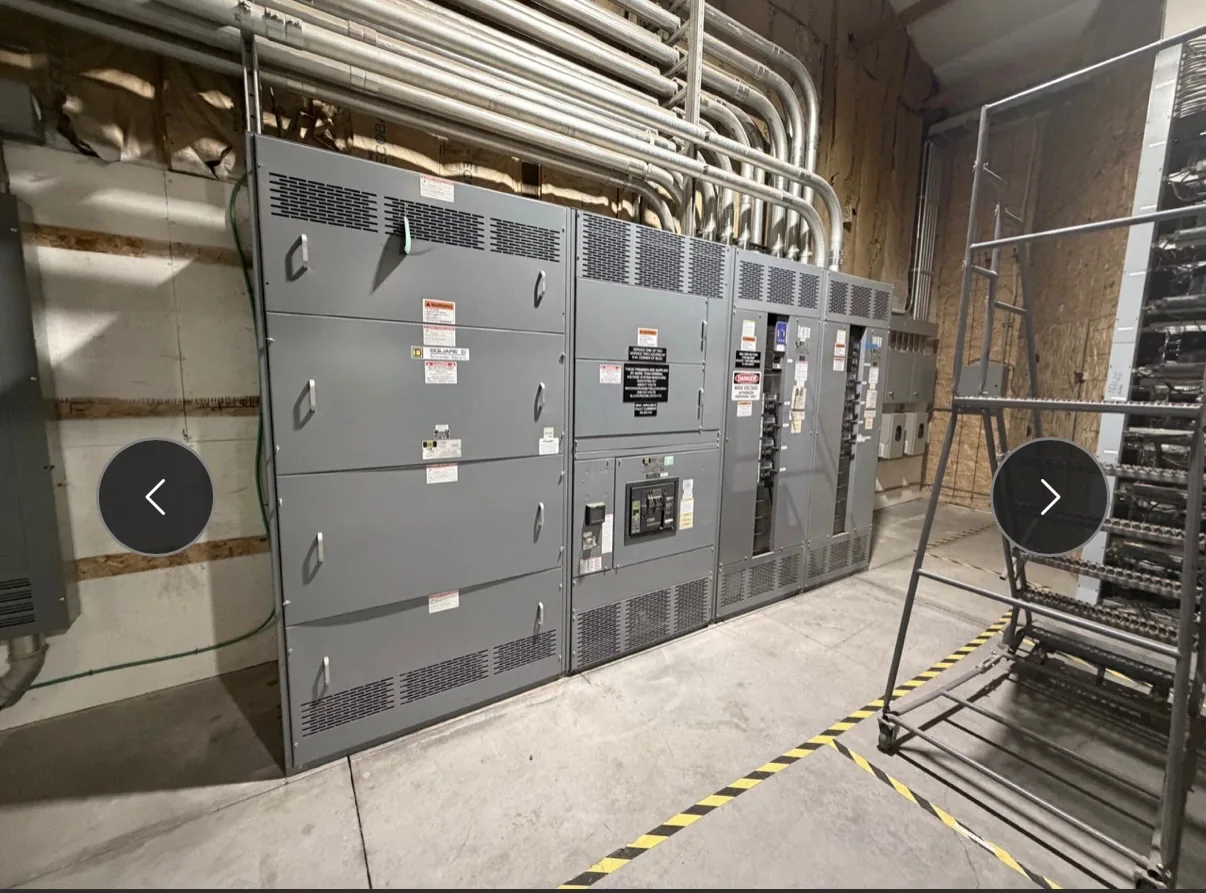
TECHNICAL GUIDES / MANUFACTURER DIRECT
Busbar insulation is not a single material choice. Barriers, sleeves, and other insulation systems address different design needs, and each must fit the bus arrangement, electrical clearances, operating environment, and maintenance plan. A covered conductor does not automatically permit reduced spacing or settle every safety question. For a new switchboard, Switchgear Builder Virginia can develop a custom configuration using direct USA manufacturing and all-American components. The proposed assembly design, applicable requirements, ratings, and schedule must be reviewed and verified for the project before they are treated as settled.

Start With the Design
Choose insulation only after the bus layout and assembly requirements are defined. The designer needs to consider conductor shape, phase arrangement, supports, joints, enclosure boundaries, and points where personnel may access the equipment. A sleeve may cover a conductor surface, while a barrier may separate adjacent components or limit access to a particular area; those functions are not interchangeable. Insulating material also does not, by itself, establish that required electrical spacing can be reduced. Buyers should ask how the proposed system relates to the specified clearances and the complete assembly design. Confirm the applicable voltage, current, environmental conditions, and project requirements with the manufacturer. The selection should be documented as part of the equipment configuration, rather than inferred from a material name or a general product description.
Barriers and Sleeves
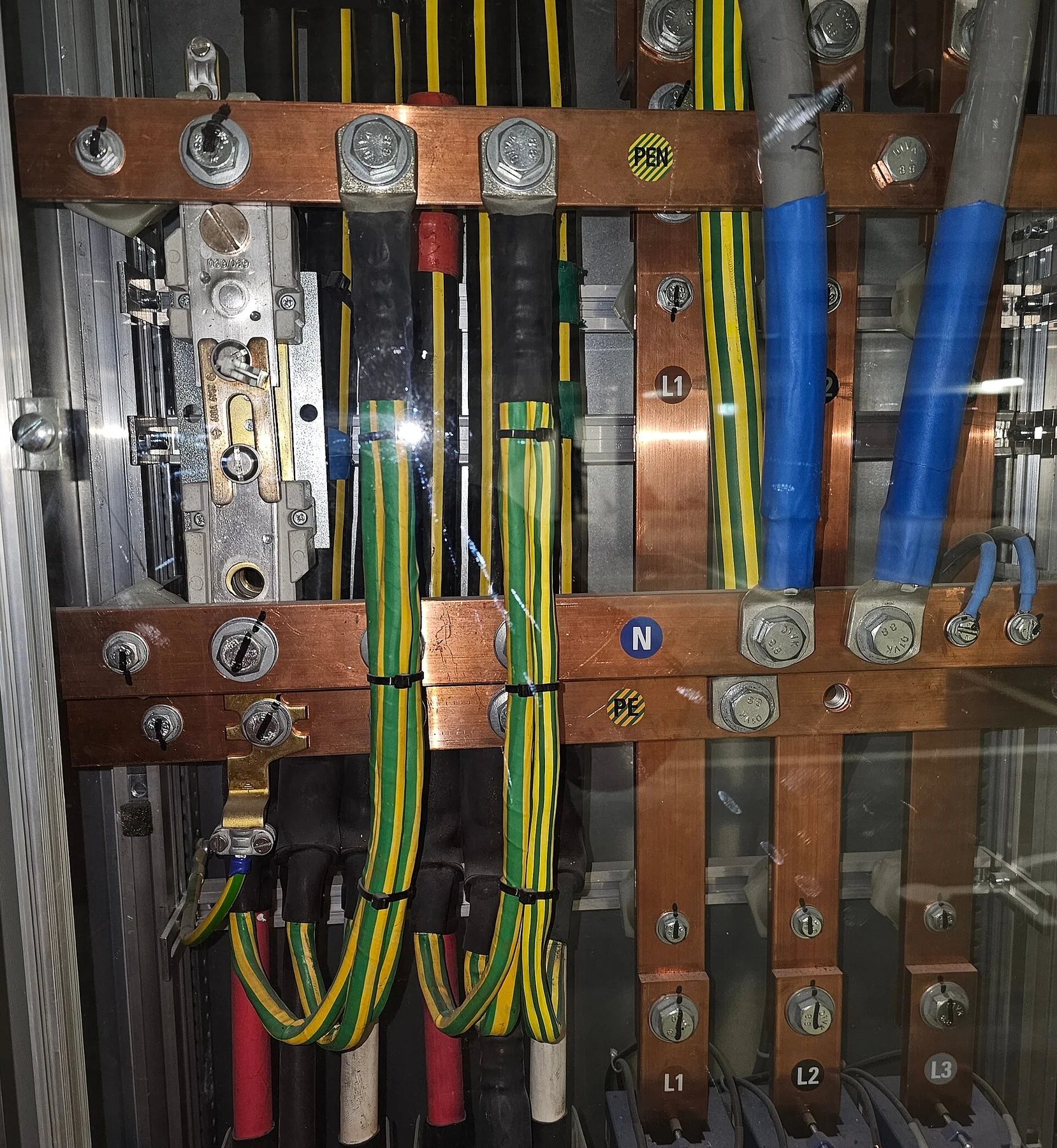
Barriers and sleeves solve different practical problems. A barrier is a shaped insulating part positioned between components or near an access point; its dimensions and mounting can affect access, visibility, and room for inspection. A sleeve covers some or all of a bus conductor and may provide a protective surface, but coverage at bends, joints, edges, and terminations needs specific attention. Neither option should be assumed to make exposed areas harmless or to replace guards and spacing required by the approved design. Ask which bus sections are covered, where barriers begin and end, how parts are retained, and whether removal is needed for routine inspection. Compare the intended protection with the maintenance tasks and access pattern. These questions help buyers distinguish a useful design feature from a vague claim that the bus is simply insulated.
Materials and Conditions
Insulation material must suit the conditions expected inside the equipment, not just the nominal electrical application. Temperature, moisture, dust, contaminants, vibration, and proximity to heat-producing components may matter, depending on the installation. Consider how the material is supported and whether it could shift, abrade, crack, or be damaged during assembly or service. Compatibility with conductor surfaces and hardware should also be addressed in the proposed design. Buyers should provide the manufacturer with known site conditions and ask which assumptions remain unverified. If an environment could expose components to unusual heat, condensation, corrosive substances, or frequent cleaning, identify that before the design is finalized. Do not infer a material’s suitability from appearance or a generic label. The actual material, location, and assembly details need review against the project requirements and applicable documentation.
Clearances and Verification
Clearances are a property of the complete arrangement, not a conclusion that follows from adding a sleeve or barrier. Bus spacing, nearby grounded metal, supports, joints, and enclosure geometry can all affect the design review. Tell the manufacturer what electrical ratings and project requirements apply, then request confirmation of how the selected insulation is incorporated into the proposed assembly. Where a particular standard, listing, inspection, or approval is required, confirm its applicability and status for the actual configuration rather than assuming it from a component description. Switchgear Builder Virginia builds UL 891 assemblies where applicable; whether that applies depends on the equipment type and project. Ratings and schedules remain subject to quote and verification. A documented review of the complete design is more useful than treating insulation as a shortcut for resolving clearance questions.
Service and Maintenance
Plan for inspection and maintenance when selecting the insulation approach. Barriers can affect visibility and access; sleeves can make some surface damage less obvious, particularly around joints or areas that are difficult to see. Ask how the design supports the inspection practices specified for the equipment and what parts, if any, require removal by qualified personnel for examination. Establish what condition changes should prompt evaluation, using the manufacturer’s documentation and the site’s maintenance program rather than improvised live-work procedures. Also clarify whether replacement material must match a specified type or configuration, and how that information will be recorded for future reference. A custom bus arrangement may be designed around identified service needs, but the final choice still requires review of actual conditions and requirements. Keep the approved drawings and equipment documentation with the maintenance records.