
TECHNICAL GUIDES / MANUFACTURER DIRECT
IEEE metal-clad switchgear is a medium-voltage design in which grounded metal barriers separate key components, and drawout electrically operated breakers are part of the construction. Those choices affect equipment arrangement, maintenance planning, interfaces, and the information needed for a useful quotation. This guide from Switchgear Builder Virginia outlines practical questions for specifying a new assembly. Confirm the governing IEEE edition and the proposed design details with the project engineer and equipment supplier; a standard’s scope or a general description does not establish a particular assembly’s ratings, approvals, or features.
Start With the Standard
Identify the governing standard and edition in the project specification before comparing proposals. IEEE lists C37.20.2-2025 as its active Standard for Metal-Clad Switchgear; the standard’s published scope describes medium-voltage metal-clad equipment with drawout electrically operated circuit breakers and grounded metal barriers that isolate components. Earlier editions may appear in legacy specifications, so do not assume that an old drawing or copied schedule reflects the edition required for a new project. Ask the engineer to resolve conflicts among the equipment specification, one-line diagram, and owner requirements, then have the manufacturer identify the basis of its proposed construction. Edition selection alone does not confirm voltage class, continuous-current capability, interruption duty, or compliance of a specific assembly. Those characteristics must be stated, checked against the system study and application, and verified in the quotation and project documents. ([standards.ieee.org](https://standards.ieee.org/ieee/C37.20.2/11804/))
Define Compartments
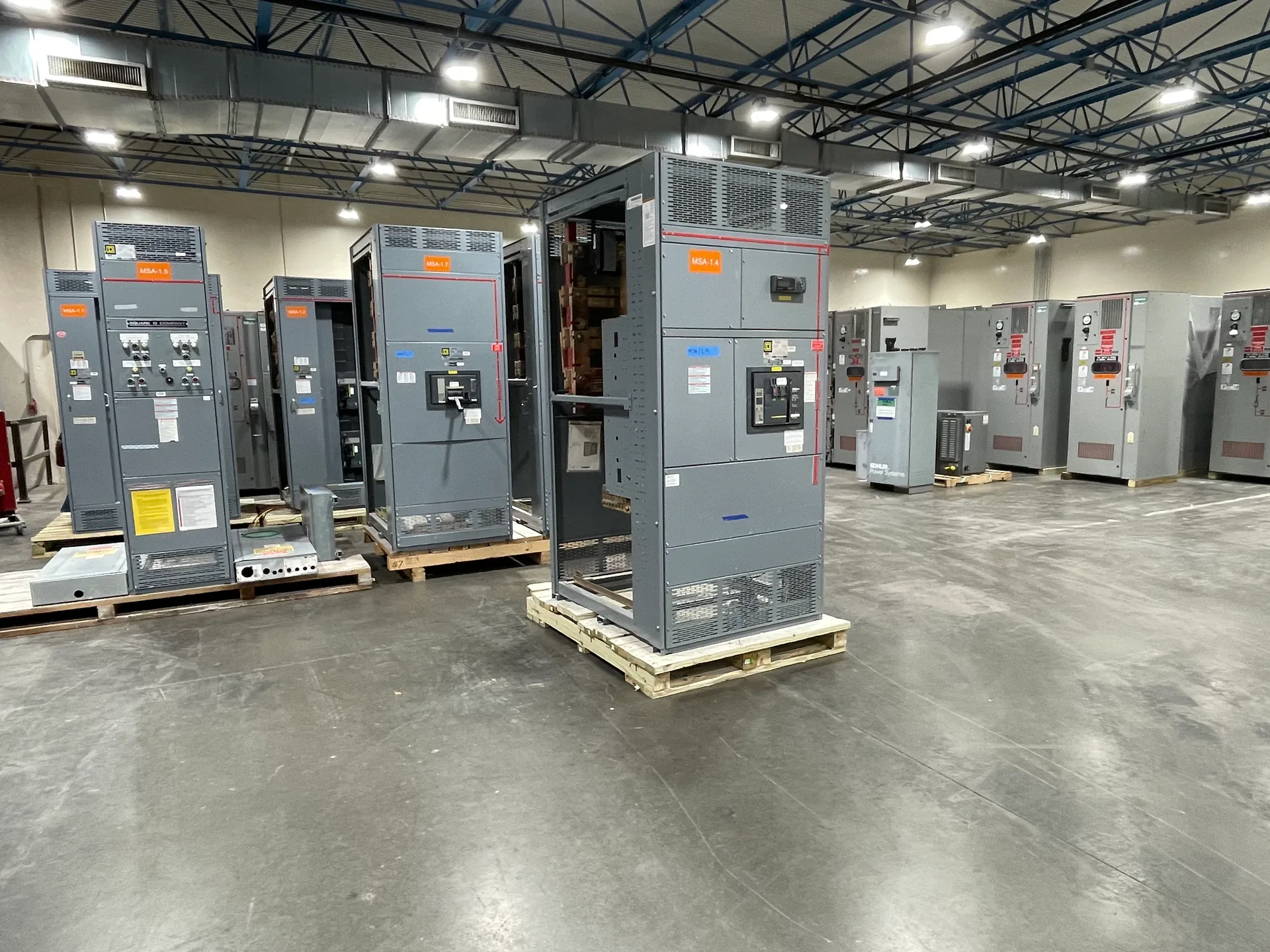
Compartmentation is more than dividing a lineup into visible cubicles. The design separates functional areas—such as breaker, bus, cable connections, and instrumentation—with grounded metal barriers, limiting direct exposure between sections. For buyers, the useful question is what each section contains and which barriers separate it from adjacent components. Review the arrangement drawing, access points, cable entry, control wiring routes, and any removable covers with the project team. A compact lineup may reduce floor-space demand but constrain cable bending space or future access; a larger arrangement may ease installation and maintenance while requiring more room and coordination. Confirm how the specified construction handles each feeder and main position, including any compartments that differ from the typical lineup. Do not infer separation details from a product label or marketing image; require the proposed assembly documents to show the actual configuration and identify any exceptions for review.
Plan Drawout Breakers
Drawout breakers are intended to move between defined positions within their equipment structure, but buyers should specify the functions and operating conditions they need rather than assume every mechanism is identical. Confirm the breaker type and ratings, the intended connected, test, and disconnected positions where applicable, and what indication or interlocking is included in the offered design. Ask how the breaker interfaces with the cell, secondary contacts, control circuits, and protective relays, and whether the project expects manual or powered operation. These details affect control schematics, maintenance procedures, spare strategy, and operator training. A drawout feature can support removal or isolation planning, but it does not eliminate the need for approved procedures, qualified personnel, or verification that the equipment is in a safe condition. Review the manufacturer’s drawings and operating information for the exact proposed design; never treat generic descriptions as instructions for operating installed equipment.
Match the System Duty
A technically useful request for quotation includes system voltage, frequency, bus arrangement, available fault information, load characteristics, feeder functions, and the required protection and metering interfaces. Provide the latest one-line diagram and identify project-specific environmental or installation conditions for review. The manufacturer and engineer can then evaluate the specified ratings and construction against the application instead of relying on a nominal voltage or a past equipment schedule. Short-circuit, momentary, interrupting, and continuous-current requirements are distinct considerations; verify each applicable value and its basis rather than treating one rating as a substitute for another. Confirm whether future feeder positions, bus ties, or special control schemes are required now, since adding them later can change lineup dimensions and interfaces. Switchgear Builder Virginia manufactures new custom assemblies in the USA using all-American components and ships nationwide; configuration, schedule, and ratings remain subject to quotation and technical verification.
Review the Submittal
Before release, compare the proposed lineup drawings and schedules against the specification, one-line, cable plan, and control requirements. Check section sequence, breaker positions, bus and cable access, metering locations, terminal points, auxiliary power, and interfaces with upstream and downstream equipment. Flag deviations explicitly so the engineer and owner can accept or revise them before fabrication. Ask which inspections, production tests, and documentation are included for the specific order, and confirm any required witness points or acceptance records in the contract documents; do not assume these are included unless stated. Likewise, verify any requested listing, approval, or project-specific testing against the actual assembly and applicable requirements. For a new custom build, clear decisions on physical layout and electrical interfaces reduce avoidable revisions. A complete, coordinated submittal gives the buyer a firm basis to assess the design, while final ratings and schedule should be confirmed in the accepted quotation and approved project documents.