
TECHNICAL GUIDES / MANUFACTURER DIRECT
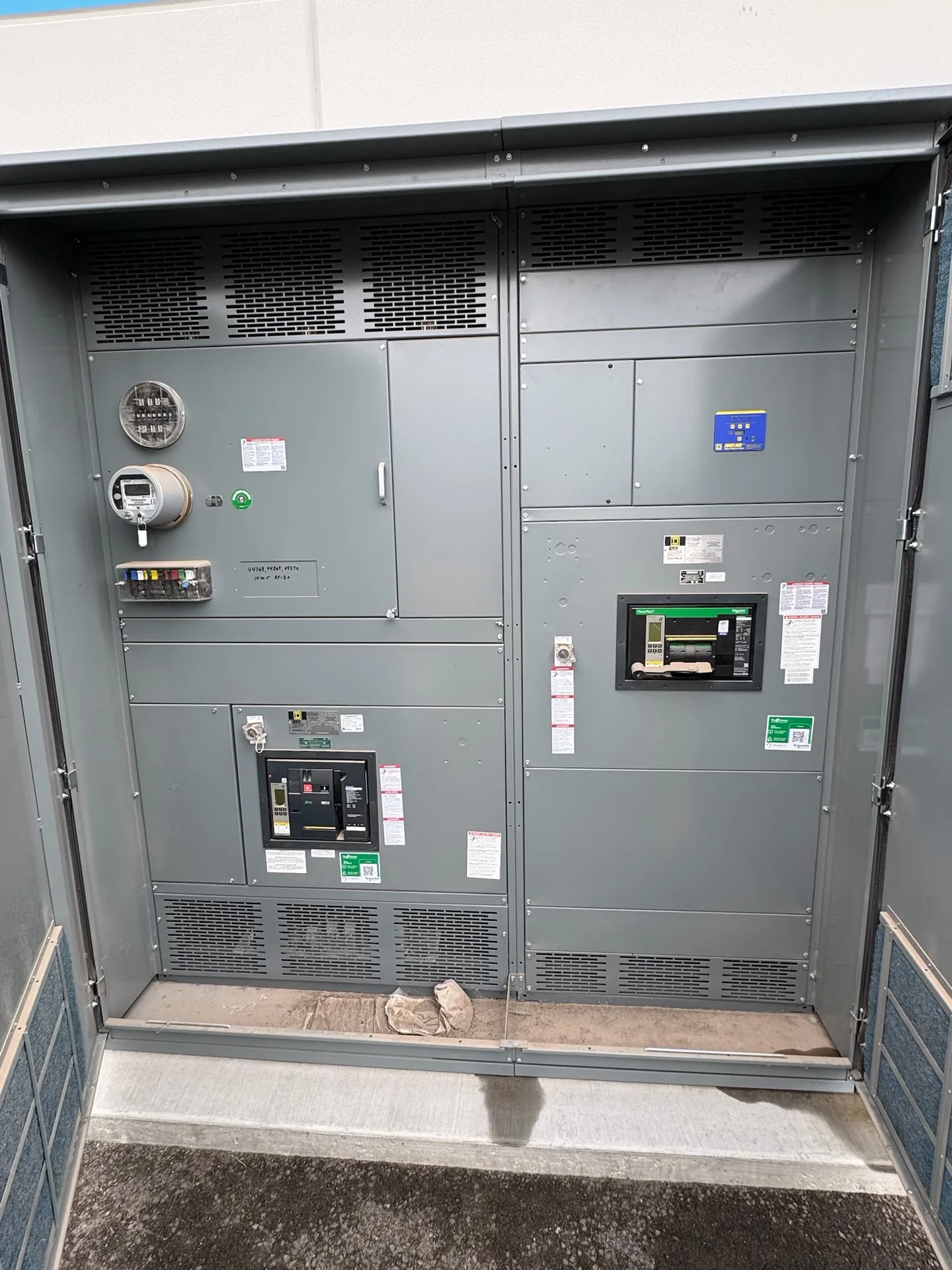
A switchgear commissioning handoff should make clear what was supplied, what was checked, what remains open, and who owns the next decision. For a new switchgear installation, the turnover package connects manufacturer documents with project-specific field records; it does not, by itself, prove that the complete electrical system is ready to energize. Switchgear Builder Virginia builds custom equipment in the USA with all-American components and ships nationwide. Required documents, testing scope, ratings, schedules, and responsibility boundaries should be confirmed against the project specifications and quote before turnover.
Define the handoff boundary
Start by identifying the equipment included in the handoff: lineup sections, compartments, supplied accessories, drawings, and any items explicitly excluded from the manufacturer’s scope. Distinguish factory documentation from records created by the installing contractor, testing provider, engineer, or owner. That separation matters because receiving a switchboard does not establish that field connections, protection settings, interlocks, or upstream and downstream systems have been reviewed. For a low-voltage switchboard, confirm whether UL 891 assemblies are applicable to the specified equipment and whether the quoted configuration addresses the project requirement; do not assume every switchgear category falls within that standard. The written handoff should name the parties responsible for document review, field completion, testing coordination, and energization authorization. Resolve unclear boundaries before turnover so missing records are assigned to a responsible party rather than mistaken for completed work.
Assemble usable records
Organize the turnover package so an owner can identify the exact equipment and revision represented by each document. Depending on the approved scope, records may include final or approved drawings, equipment identification, wiring information, supplied component documentation, and operation or maintenance material. Mark whether a document is final, approved for construction, preliminary, or superseded; a drawing’s presence alone does not show that it reflects field changes. Record the equipment identifiers used on labels and project drawings, and flag any mismatch for resolution. Include a clear index with document titles, revision dates, and the responsible source, while avoiding claims that a package is complete until the project team verifies its requirements. The buyer should compare the delivered records with specifications and contract submittals, then list missing, corrected, or owner-requested items with an assigned reviewer and target status.
Report testing status
Present testing as a traceable status, not a broad claim that the equipment is “tested” or “ready.” Identify the test activity, equipment or circuit covered, date, party performing it, applicable procedure or acceptance criteria, and resulting record when these are part of the project scope. Separate manufacturer-provided factory records from field acceptance or commissioning records; one does not automatically substitute for the other. If testing has not occurred, is outside the supplied scope, or awaits access or coordination, say so plainly and name the party expected to arrange it. Log exceptions, retests, and records still pending, with references to the affected equipment identifiers. The engineer, owner, and project testing team should determine which results are required and acceptable under project documents. Do not infer operating readiness from shipping, receipt, or an individual test report alone.
Track open items and authority
Use an open-item register to keep incomplete work visible through turnover. For each issue, record a concise description, affected equipment, safety or schedule significance as assessed by the project team, responsible party, required evidence for closure, and current status. Distinguish a documentation correction from a field deficiency or a decision that requires engineering review; these items follow different paths and should not be closed with the same kind of evidence. State whether an item blocks a planned activity, but leave that determination to the authorized project parties under their procedures. Most importantly, identify who may approve closure, who may authorize energization, and who coordinates any required utility or site approvals, where applicable. The manufacturer can clarify supplied-equipment documentation or scope, but should not be presented as the authority for site-wide readiness unless the contract expressly assigns that responsibility.
Prepare owner training
Plan a handoff session around the owner’s actual responsibilities and the documents delivered with the equipment. Topics may include identifying sections and supplied controls, locating applicable operating and maintenance information, understanding normal indications, and knowing whom to contact for questions. Confirm the intended audience, format, language, and training scope in advance; do not imply that training is included unless it is confirmed in the quote or project agreement. Keep instruction within approved procedures and the equipment documentation. Do not use a turnover meeting to authorize unqualified personnel to perform hazardous work or to demonstrate energized tasks. Provide time for owner questions, note topics not covered, and record any follow-up material or qualified training still required. A practical closeout ends with named contacts, a current document index, unresolved items and owners, and a separate, explicit decision by the project’s authorized parties on whether conditions for energization have been met.