
TECHNICAL GUIDES / MANUFACTURER DIRECT
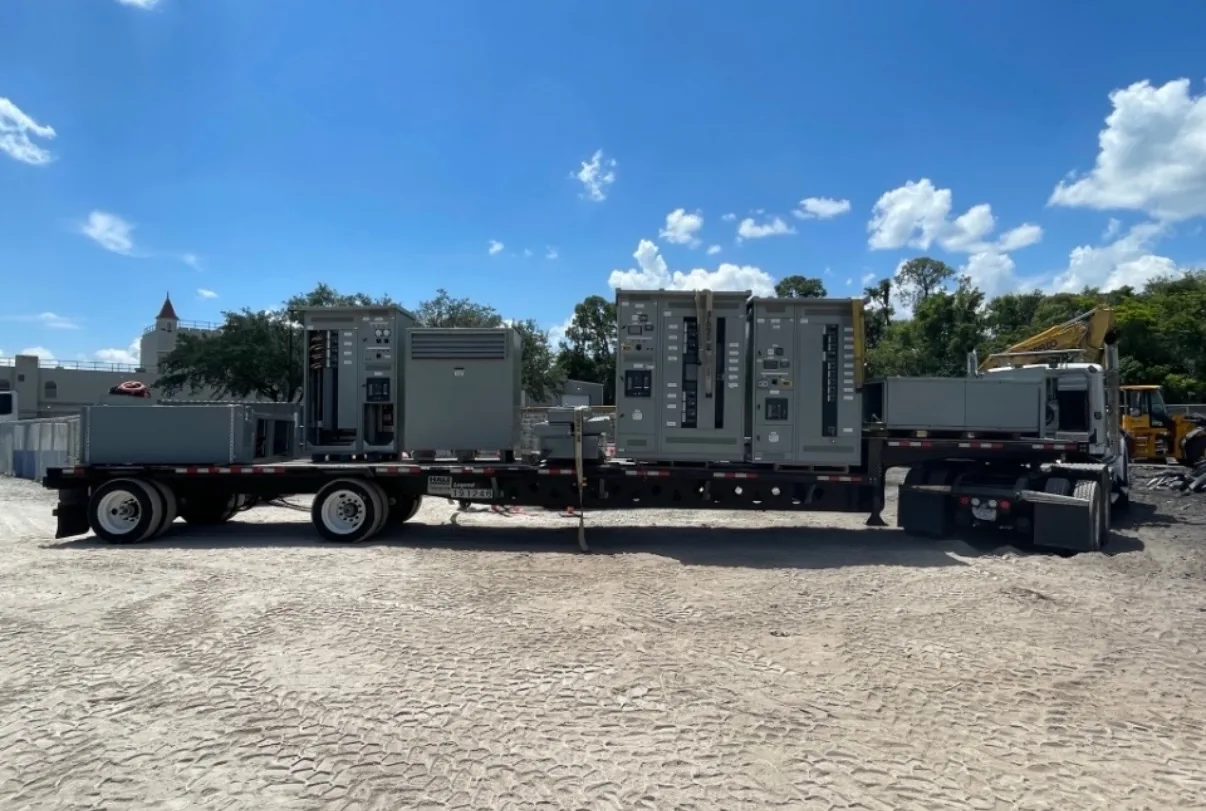
A receiving inspection creates a clear record of switchgear condition before equipment moves into storage or installation. For a new assembly, the process should connect shipping documents, nameplate details, visible condition and project requirements without treating a visual check as proof of electrical performance. Assigning who inspects, who documents exceptions and who contacts the carrier or supplier helps prevent gaps when a crate arrives at a busy jobsite. Switchgear Builder Virginia manufactures new custom switchgear in the USA, with all-American components, short lead times subject to quote and verification, and nationwide shipping. Inspection steps, handling limits and required records should be confirmed against the equipment documents and the project plan.
Prepare Before Arrival
Before delivery, identify who is authorized to receive the shipment, where it can be safely staged and what equipment will be available to unload it. Compare the expected shipment against the purchase documents and delivery notice, including the number of crates or sections, shipping marks and any stated handling instructions. Arrange a clear inspection area with enough space to view accessible sides without moving or opening a crate unsafely. Confirm whether the project requires photographs, a carrier notation, a specific notification path or a deadline for reporting visible damage; those requirements may come from contracts, shipping terms or project procedures. Do not assume the person signing a delivery receipt has completed a detailed inspection. If timing, access or weather prevents a meaningful check, record that limitation and promptly notify the designated project contact.
Inspect Packaging
Examine each crate, carton, skid and protective covering for punctures, crushed corners, broken bands, shifted loads, torn wrap, water staining or other signs of impact or exposure. Photograph the overall shipment and close views of any concern, including labels and the affected area, before disturbing the packaging when practical. Note which package or section is involved and whether the condition appears to affect more than the exterior. A clean exterior does not establish that internal equipment is undamaged, while a damaged crate does not by itself prove the assembly is defective. Follow the shipment’s instructions before opening sealed or protected packaging, and avoid removing barriers that protect the equipment from moisture or debris. If a condition looks unsafe or handling instructions are unclear, stop and seek direction from the responsible supplier or project representative rather than improvising.
Verify Identification
Match available nameplates, crate labels, section markings and packing documents to the purchase order, approved submittals and project equipment schedule. Check identifiers such as equipment designation, lineup or section references, destination, quantities and listed accessories where those details are provided. Record discrepancies exactly rather than correcting labels or assuming two similar-looking sections are interchangeable. If the assembly is not yet accessible, record the shipping identifiers and defer internal identification checks until the approved unpacking stage. Note missing paperwork or parts separately from visible damage so each issue can be routed to the right person. For a custom assembly, project-specific naming and arrangement can matter during placement and coordination; buyers should resolve mismatches against approved documents before releasing equipment for installation. Receiving inspection confirms what arrived and its apparent condition, not that the design or electrical ratings are suitable for the installation.
Check Moisture and Records
Look for wet packaging, condensation, water marks, damp protective materials or other indications that moisture may have reached the equipment. Record what was observed, where it appeared and when the condition was found; photographs help preserve context. Do not energize equipment or assume it is ready for installation based solely on a dry exterior or a brief visual check. Consult the manufacturer’s handling and storage instructions and the project’s acceptance process for the next step, which may require a qualified review. Collect the packing list, delivery receipt, shipping labels, inspection notes and photographs in the project record. Compare the packing list with the delivered items, while distinguishing items not yet unpacked from confirmed shortages. Keep original records and follow the project’s document-control process; do not alter a carrier receipt to imply an inspection that did not occur.
Report and Protect
Agree in advance who records exceptions, notifies the carrier and supplier, preserves packaging, and decides whether the shipment can be moved or unpacked. Report visible damage, suspected moisture, missing items and identification conflicts promptly through the project’s required channels, providing shipment references, dates and supporting images. Follow applicable contract and carrier procedures for notice and claim documentation; deadlines and responsibilities vary, so verify them rather than relying on a generic timetable. Keep affected packaging and equipment protected in the condition directed by the responsible parties, and segregate concerns from accepted items when the project plan calls for it. Record any limits on the inspection, such as inaccessible surfaces or sealed crates, and arrange follow-up review. Switchgear Builder Virginia can discuss documentation and handling requirements for a new custom build during quoting; schedules, ratings and project details remain subject to verification.