
TECHNICAL GUIDES / MANUFACTURER DIRECT
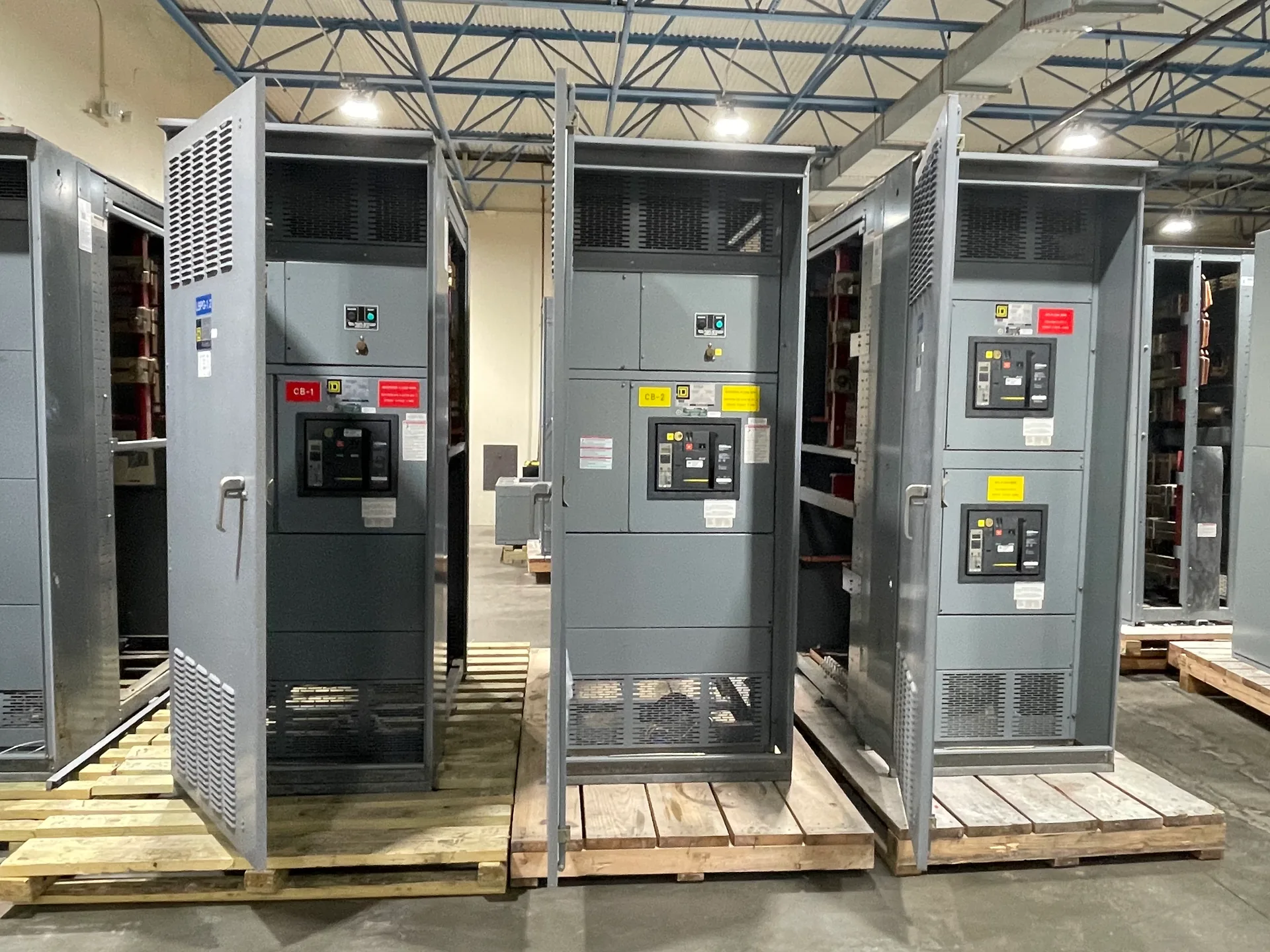
Shipping split planning determines how a switchgear lineup is divided for transport and what must happen at the site before sections can be joined. The split plan should connect the approved equipment layout to the delivery route, lifting plan, receiving space, and field responsibilities. Switchgear Builder Virginia manufactures new, custom switchgear in the USA using all-American components and ships nationwide. Actual section dimensions, weights, shipping arrangements, and schedules depend on the quoted design and must be verified before coordination. Treat the following as planning points to resolve with the project team, not as assumed product ratings or site conditions.
Set the Shipping Breaks
A shipping split is a planned boundary between sections that travel separately and are joined or connected at the destination. It is not simply a convenient line on a drawing: the location can affect bus connections, enclosure joints, access to fasteners, lifting points, and the space needed for installation. Start with the equipment arrangement and identify which pieces can be transported through the actual route, including doors, corridors, elevators, ramps, and turns where applicable. Then coordinate proposed breaks with the manufacturer and the installing team before dimensions and connections are finalized. A lineup that fits a truck may still be too large for the final approach or indoor path. Conversely, unnecessary splits can add field work and connection points. Confirm each proposed shipping section against the project layout, route survey, handling plan, and quoted configuration rather than relying on a generic maximum section size.
Mark Sections Clearly
Match marks link each shipping section to its intended position and neighboring sections in the lineup. Ask that section identifiers appear consistently on the approved arrangement drawings, shipping documents, and suitable equipment markings, so the receiving and installation teams can reconcile what arrived with the planned sequence. Establish a simple convention, such as lineup position and section number, and make sure it does not conflict with device labels or project tag numbers. Confirm whether loose parts, covers, hardware, and connection materials are packaged with a specific section or separately identified. On receipt, compare the delivered identification with the approved documents and record shortages or visible shipping damage through the project’s receiving process. Do not assume sections are interchangeable because their enclosures look alike; orientation, internal arrangement, and connection details may differ. Resolve any mismatch with the responsible project parties before positioning or joining equipment.
Coordinate Bus Joints
Where a shipping break crosses a bus connection, the joint becomes a key field interface. Confirm from the approved drawings how the bus ends align, what joint hardware and barriers are supplied, and which work is assigned to the manufacturer, contractor, or another qualified party. The connection method, access, and required inspection or verification depend on the specific design and applicable project requirements; do not infer them from another lineup or a general guide. Make sure the site plan leaves enough working room to bring sections together and reach the joint without removing unrelated components. Protect exposed connection surfaces during storage and handling according to project instructions, and raise concerns about contamination, damage, or missing parts before assembly. If a joint is difficult to reach after adjacent equipment is installed, the issue should be addressed during layout review, not left for field improvisation.
Verify Weight and Handling
Weight affects transport, unloading, lifting, and final positioning, so use section-specific information for the quoted configuration rather than estimating from lineup length or appearance. Request the applicable shipping dimensions and weights, and confirm whether listed figures include packaging, skids, or separately shipped items. The carrier and site team can then assess vehicle capacity, unloading equipment, floor or access limits, and the required lift plan. Check the full route from unloading point to installation position; a suitable dock or crane does not by itself establish that every turn, threshold, or floor can accommodate the load. Handling points and methods should come from the manufacturer’s documentation and be coordinated with qualified personnel. Do not lift from an assumed enclosure feature or substitute a field estimate for verified section data. If the configuration changes, recheck the information before transport and receiving arrangements are committed.
Assign Field Responsibilities
Before shipment, document who receives, stores, moves, aligns, joins, and inspects each section, and who supplies any site labor or equipment. The contract documents and approved drawings should clarify the division of work; do not assume field reassembly is included in a manufacturing or shipping scope. Identify the party responsible for protecting equipment after delivery, coordinating access, managing loose materials, and reporting damage or discrepancies. The project team should also establish what checks, records, and approvals are required before the equipment is placed into service, with responsibilities confirmed by the appropriate qualified parties. Switchgear Builder Virginia offers custom new-equipment builds and nationwide shipping; configuration, schedule, and shipping details are subject to quote and verification. For applicable low-voltage switchboards, confirm whether UL 891 requirements apply to the specified assembly. Finalize shipping splits only after route constraints, interfaces, weights, and responsibility boundaries have been reviewed together.