
LOCATION SERVICES / MANUFACTURER DIRECT
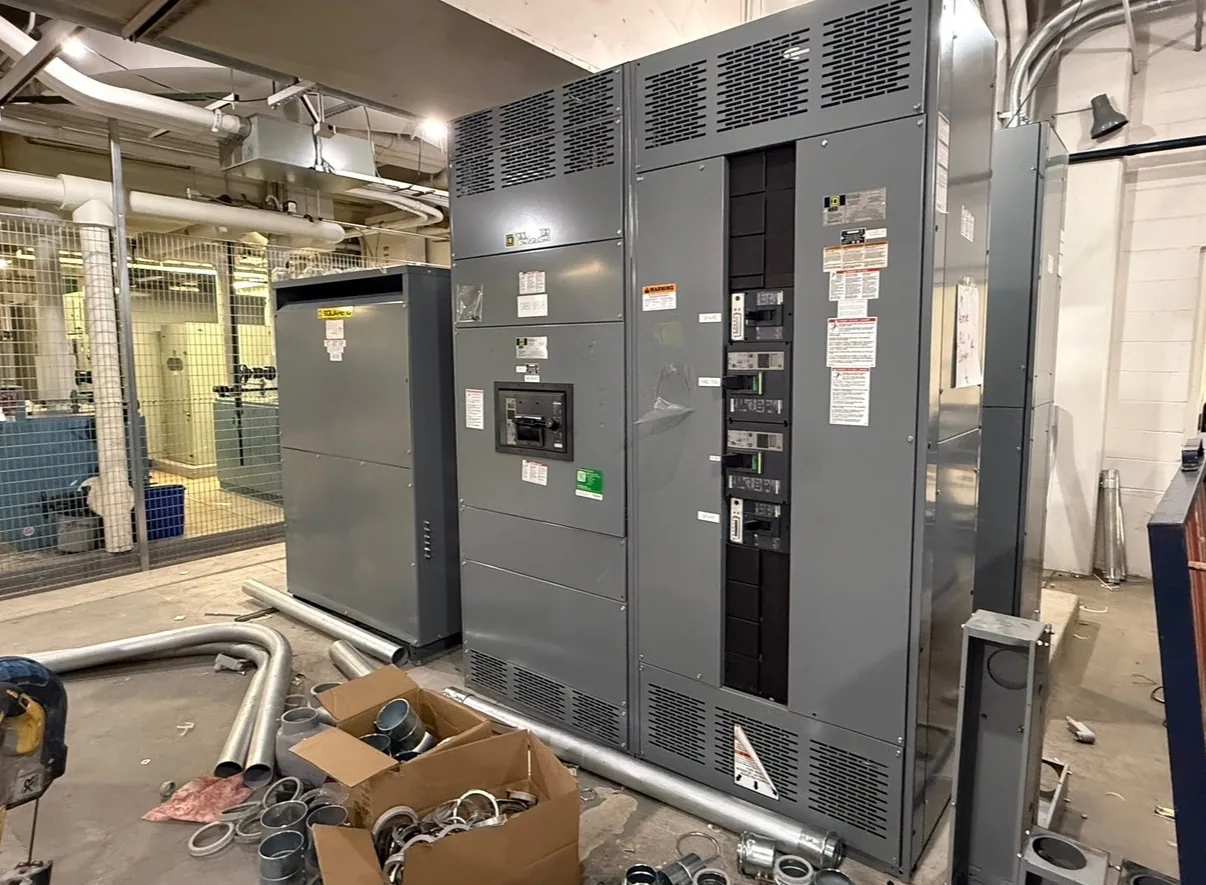
Motor Control Center Engineering in Harrisonburg, VA begins with the actual motor and process schedule—not an assumed equipment lineup. For a hypothetical cold-storage expansion, the design review can map compressor loads, starting methods, variable-frequency-drive interfaces, standby supply, and controls before comparing new motor control center and feeder arrangements. Switchgear Builder Virginia manufactures custom new switchgear in the United States using all-American components, with nationwide shipping and short lead times subject to quote and verification. Site conditions, utility requirements, jurisdictional details, equipment ratings, and schedules must be confirmed for the specific project; this example does not represent a local installation.
Start With the Load Schedule
For a hypothetical Harrisonburg cold-storage expansion, begin by listing each compressor motor, condenser fan, pump, and auxiliary load from the project’s real equipment schedule. Record nameplate data, operating duty, expected simultaneous operation, starting method, and any process limits on voltage disturbance. These inputs help the engineer distinguish continuous demand from intermittent or standby loads; guessing from room size or a similar facility can lead to poorly allocated sections and feeders. Confirm the available electrical supply and the responsibility for documenting it with the project team. A motor control center arrangement should reflect the actual load mix, not merely provide a convenient row of buckets. Switchgear Builder Virginia can develop a custom new-equipment scope from verified project information. Final ratings, protective-device selections, and schedules remain subject to engineering review and quote; no assumed Harrisonburg site condition is a design basis.
Compare Starting Approaches
Motor starting choices affect more than the individual starter: they can influence feeder loading, voltage drop, coordination, process behavior, and the space needed for equipment. Across the compressor list, identify which motors may use across-the-line starting, reduced-voltage methods, or variable-frequency drives, then confirm each selection with the motor supplier and electrical designer. A simpler starter may reduce component complexity, while a drive can support speed control but introduces its own interface, heat, harmonic, and maintenance questions that need project-specific review. Do not assume every compressor should use the same method. Check whether the process requires staged starts, restart delays, or interlocks, and coordinate those controls with refrigeration-system design. The selected arrangement should be based on verified motor data and system requirements, not a generic cold-storage template. Ratings, available configurations, and schedules are confirmed during quotation and technical review.
Plan Drives and Controls
Where variable-frequency drives are considered, define their role before fixing the motor control center lineup. Confirm who supplies each drive, where it will be mounted, how it will connect to the motor and control system, and what environmental conditions apply at the proposed location. Drive selection can affect enclosure needs, heat dissipation, cable routing, control wiring, and maintenance access; the designer should verify these details rather than presume a standard bucket arrangement fits. Document required run commands, speed references, status points, alarms, and permissives, then identify the interface boundary between the MCC, drive, and refrigeration controls. Protecting clear separation between power and control functions can make troubleshooting easier, but routing and separation requirements must be checked against the approved design. A custom new MCC can be scoped around verified interfaces. Specific features, ratings, and any applicable approvals are options or requirements to confirm, not assumptions.
Coordinate Standby Supply
If the hypothetical project includes standby power, identify which refrigeration and support loads are intended to operate during an outage and how that operating plan will be controlled. A standby source may have different capacity and transient limits from normal supply, so compressor starting sequence and load pickup deserve coordination with the source equipment and electrical engineer. Compare an MCC arrangement served through an appropriate upstream distribution scheme with feeder-based alternatives using the actual one-line diagram, load schedule, and operating priorities. The right choice depends on system architecture, maintainability, available space, and the required scope of transfer—not on a blanket preference for one lineup. Verify utility characteristics and jurisdictional requirements with the responsible project parties; no local utility or approval detail is presumed here. Transfer equipment, protective coordination, and ratings must be established and verified for the specific application before manufacture.
Choose an Arrangement and Scope
The final comparison should weigh lineup footprint, feeder count, future capacity, isolation needs, control boundaries, and the consequences of taking equipment out of service for maintenance. A centralized MCC can consolidate motor control, while separate feeder sections or distribution equipment may better fit the project’s architecture; either approach requires a coordinated one-line, load schedule, and physical layout. For a cold-storage expansion, show compressor groups and supporting loads clearly, and flag any planned future motors instead of silently sizing around unverified growth. Confirm available fault-current information, environmental conditions, access clearances, and interfaces before fixing specifications. Switchgear Builder Virginia supplies custom new equipment, manufactured directly in the United States with all-American components; short lead times are subject to quote and verification, and nationwide shipping does not imply a local Harrisonburg office. A project-specific quote can follow review of verified requirements and applicable equipment scope.