
SERVICES / MANUFACTURER DIRECT
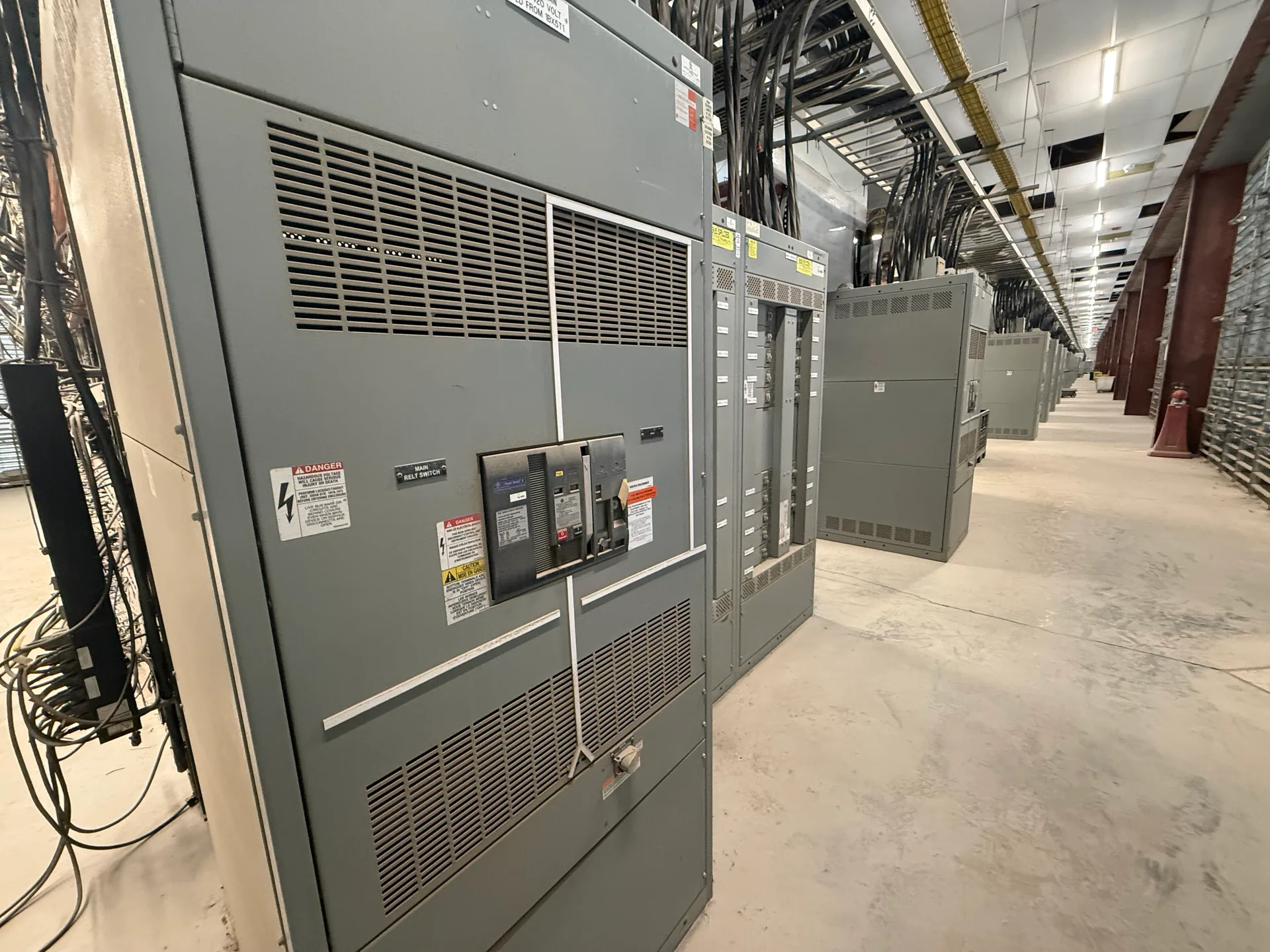
Motor control center assembly starts with the loads and operating sequence, not a generic lineup. Define each motor’s purpose, starting method, protection needs, control interface, and communication role before choosing buckets and sections. Those decisions affect space, wiring, coordination, maintenance access, and how the MCC connects to the broader system. Switchgear Builder Virginia manufactures custom equipment in the United States using all-American components, with nationwide shipping and short lead times. Final configurations, component compatibility, ratings, and schedules depend on project details and must be verified during quoting and engineering review.
Map the loads
Build the equipment schedule around each driven load: motor nameplate data, duty, operating frequency, expected starts, and the process consequence of a trip. Identify which loads need individual starters, which need feeder-only distribution, and which may require a variable-speed drive or another specified arrangement. A pump that starts occasionally has different operating demands from a conveyor that cycles repeatedly; grouping them under one assumed starter choice can create avoidable compromises. Also note spare and future circuits, but distinguish planned loads from placeholders so section space and bus capacity can be evaluated against a credible design basis. Confirm system voltage, phase, available fault current, and the project’s coordination requirements with the responsible electrical engineer. These inputs guide selection; they do not establish a rating until the complete assembly is reviewed and quoted.
Choose starter and feeder roles
For each motor circuit, specify the required starting and stopping behavior, overload protection approach, and any local or remote operating needs. Across-the-line starters may suit some loads, while reduced-voltage methods or drives may be required where process behavior, electrical-system limits, or speed control call for them. Do not assume one method is appropriate for every motor. Define feeder circuits separately from motor starters: identify what each feeder supplies, its protective-device requirements, and whether it serves a downstream panel or other equipment. The lineup arrangement then has to reconcile circuit functions with available space, access, heat, and cable routing. Record desired spare-unit provisions and whether future additions are expected. Proposed starter types, protective devices, compartment arrangements, and ratings remain subject to component compatibility checks and confirmation against the project documents.
Specify controls clearly
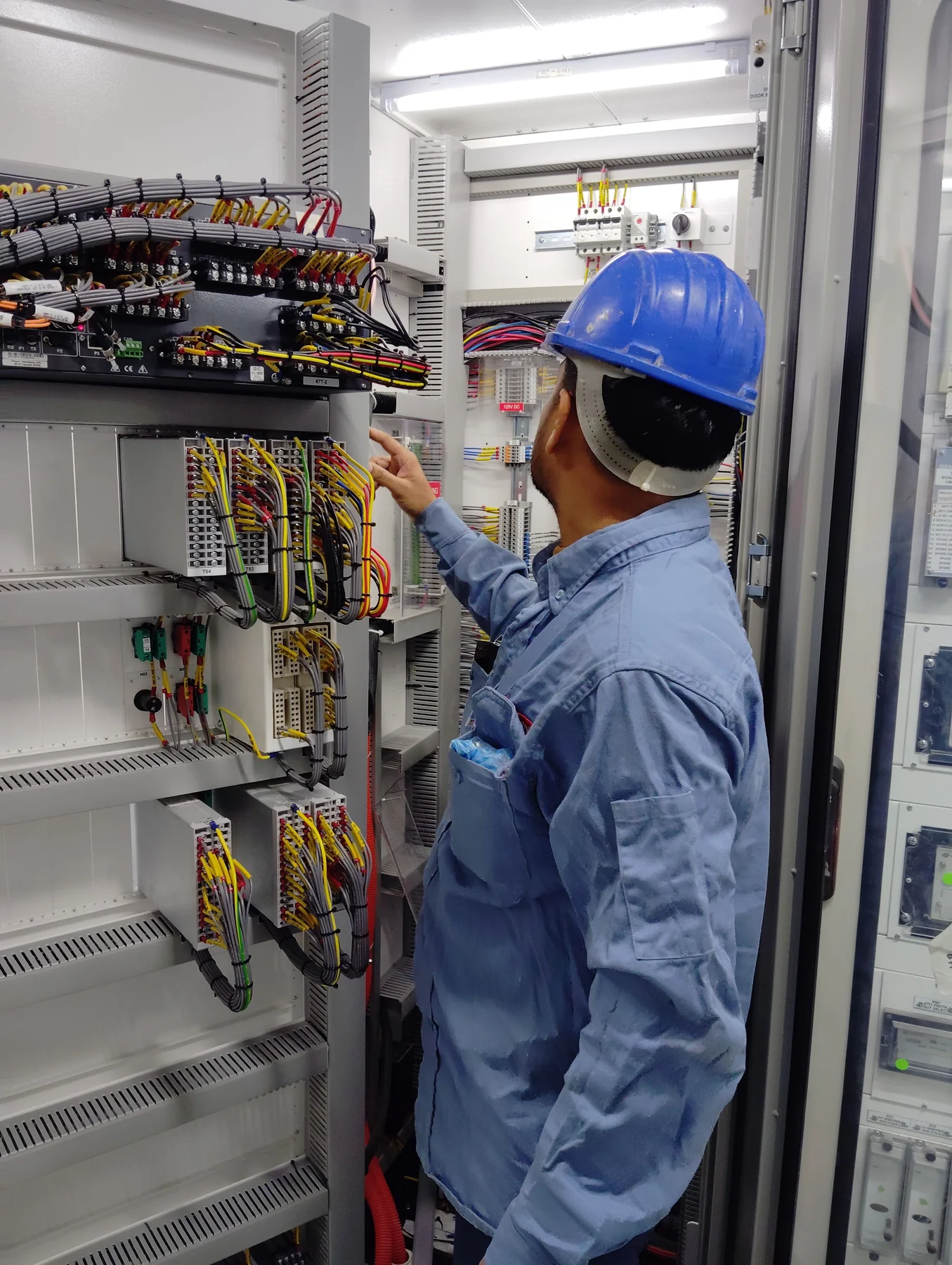
Describe the control sequence in terms of operating states and interfaces: who or what commands a start, what conditions permit operation, what stops the motor, and which alarms or status points must be reported. Identify local controls, remote stations, interlocks, permissives, emergency-stop interfaces, and any required hand-off-auto behavior where applicable. Provide the control voltage and identify whether control power is furnished within the MCC or supplied externally; confirm that the selected components and wiring approach match that basis. A concise sequence narrative and I/O list are more useful than a broad request for “standard controls,” which can conceal differing assumptions. Define terminal and labeling conventions, drawings, and documentation expectations as project requirements. Control functions, devices, and interfaces are options to be reviewed—not capabilities to presume—so verify their fit with the specified starter and the wider system.
Plan communications
For networked monitoring or control, name the intended protocol and identify the devices that must communicate, such as drives, intelligent overloads, meters, or a supervisory system. State which values and commands are needed, who owns the network architecture, and whether the MCC must provide gateways or simply expose compatible device interfaces. Confirm addressing, network media, connection points, and cybersecurity or access requirements with the controls team; these details can affect device selection and wiring. Communications should support the operating need, not add complexity without a defined use. A hardwired status point may be sufficient for a simple indication, while richer diagnostics may justify a networked device. Compatibility depends on the selected components, firmware, protocol implementation, and project network, so document and verify each interface before configuration is finalized.
Verify the assembly basis
Before requesting a quote, submit the one-line diagram, motor and load schedule, control narrative, communications requirements, site conditions, and applicable project specifications. Include enclosure location and environment, cable-entry preferences, available room, and maintenance-access constraints. Ask the project team to confirm system ratings, protective-device coordination, grounding, and any required inspections, tests, approvals, or documentation; these depend on the application and governing project requirements. Review proposed component combinations as an assembly rather than assuming individually suitable parts automatically make a suitable lineup. Switchgear Builder Virginia can develop custom builds using all-American components and ship nationwide; configuration, component availability, schedule, and ratings are subject to quote and verification. Clear inputs help expose tradeoffs early, including footprint versus access, standardization versus specialized control, and present needs versus spare capacity, without implying a delivery date or unverified certification.