
PRODUCTS / MANUFACTURER DIRECT
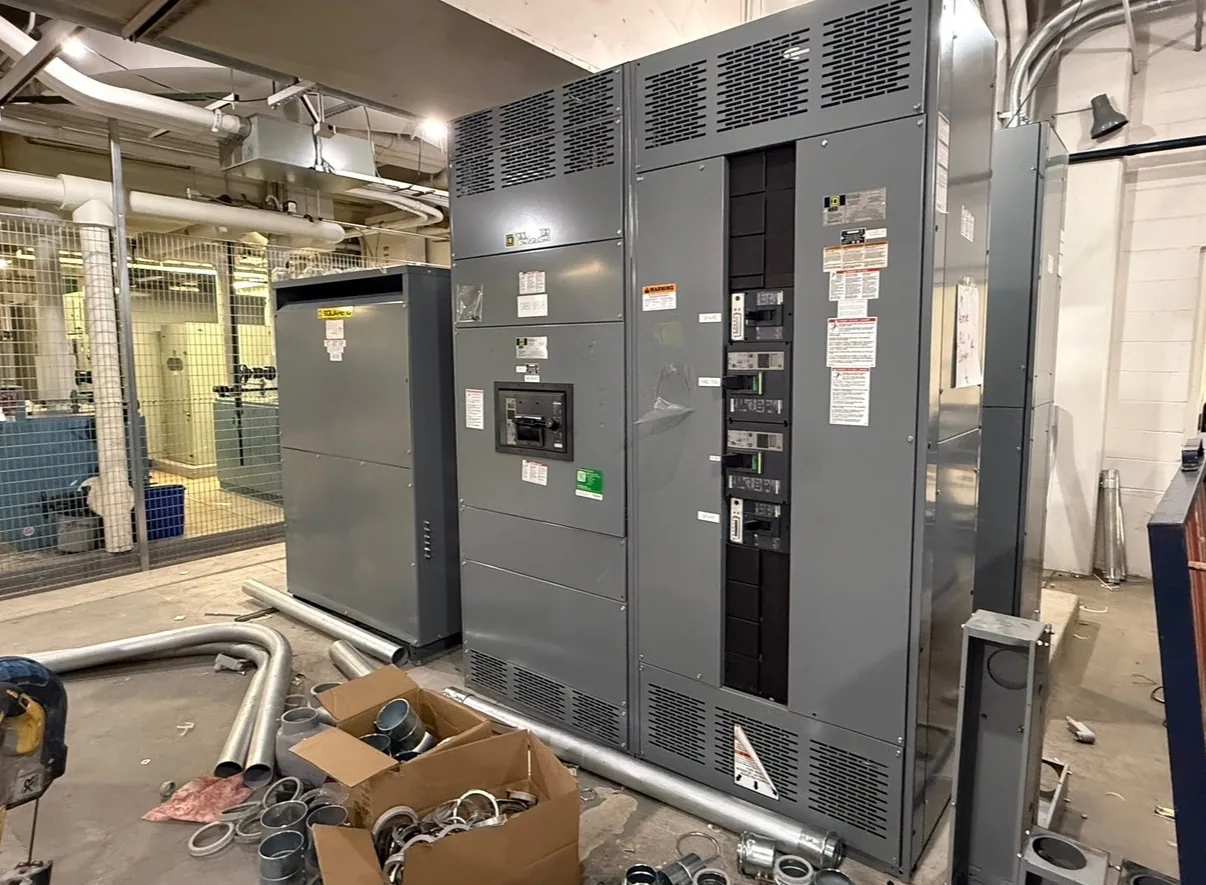
A unit substation brings medium-voltage (MV) switching, a transformer and low-voltage (LV) distribution together as one coordinated electrical arrangement. The transition between those pieces affects layout, connections, protection and responsibility among suppliers. Switchgear Builder Virginia manufactures and supplies new switchgear, including custom builds. This page outlines the project decisions to document before requesting a quote; equipment scope, ratings, dimensions and schedule must be confirmed for the specific project.
Define the assembly boundary
Start by marking what the switchgear supplier provides and where each other supplier’s scope begins. A unit substation may include MV switching, a transformer and LV distribution, but the phrase alone does not establish that one manufacturer furnishes every component. The project documents should identify whether the transformer is separate, who supplies connecting bus or cable, and which party provides transition enclosures, supports and field terminations. Also show the physical and electrical handoff points on the one-line diagram and equipment layout. This prevents gaps such as an unspecified connection, or duplicated scope that complicates fit-up. Switchgear Builder Virginia can quote new switchgear to defined project requirements; inclusion of a transformer or associated equipment must be confirmed rather than assumed. List supplier responsibilities in the specifications and purchase documents before final dimensions or pricing are established.
Coordinate MV switching
The MV section must match the source system and the project’s operating plan. Provide the nominal system voltage, available fault information, grounding method and required switching functions for engineering review; the supplier should verify applicable ratings against the actual system and project documents. Clarify whether the design calls for an incoming device, transformer protection, isolation, metering, or other functions, and identify who furnishes each item. Do not select solely by voltage label: interrupting capability, insulation level, duty and coordination with upstream protection may affect the appropriate arrangement. Where utility requirements apply, obtain their current written criteria and identify any required review or approval in the project schedule. Physical access, cable entry direction, termination space and operating clearances also shape the lineup. These details are options or project requirements to confirm, not assumed features of every unit substation assembly.
Set the transformer transition
The connection between MV switching and the transformer is a major dimensional and responsibility interface. Establish the transformer supplier, orientation, connection method and the location of the high- and low-voltage terminals before fixing the switchgear footprint. Confirm terminal height and position, phase arrangement, required conductor or bus path, enclosure boundaries, and the space needed for bending, pulling, inspection and maintenance. Account for the transformer’s actual outline and access needs, not only its electrical data. Outdoor exposure, ventilation, barriers and separation requirements should be resolved by the project’s responsible design professionals and verified for the installation. If separate suppliers furnish adjacent equipment, assign who designs, provides and installs the transition parts, and who checks the final interface dimensions. A preliminary arrangement can help identify conflicts, but release dimensions should follow approved, coordinated submittals from the selected suppliers.
Coordinate LV distribution
On the LV side, define the service voltage, phase and wire arrangement, incoming connection, feeder quantities and the loads that affect distribution planning. State which party supplies the LV switchboard and how it connects to the transformer secondary, including bus or cable, termination details and enclosure transition. Confirm the required short-circuit rating, protective-device arrangement, metering needs and space for future circuits against the project’s engineering documents; do not infer a rating from a product name or system voltage. Low-voltage switchboards may be specified to applicable UL 891 requirements, but applicability and the assembly’s listing or labeling must be confirmed for the quoted equipment. Record the main and feeder device scope clearly, since the transformer supplier, switchgear supplier and electrical contractor may have different boundaries. An accurate feeder schedule and one-line diagram help establish a buildable lineup and reduce late changes.
Resolve dimensions and procurement
Before procurement, coordinate the one-line diagram, equipment elevations, room or pad plan, conduit locations, cable approach and required service access. Ask each supplier for dimensions and connection details at the stage needed for the project, then reconcile them in a shared layout. Note shipping splits, lifting or handling constraints, environmental requirements and any site-specific restrictions for review; these affect logistics and installation planning, but should not be assumed from a generic outline drawing. Define who owns submittal review, interface approval, field installation and any required inspections or tests. Switchgear Builder Virginia offers custom new switchgear builds, direct USA manufacturing, all-American components and nationwide shipping. Available construction, ratings, approvals, schedule and shipping arrangements are subject to project review and quotation. Put the confirmed scope and acceptance requirements in the purchase documents so all equipment suppliers work from the same coordinated basis.