
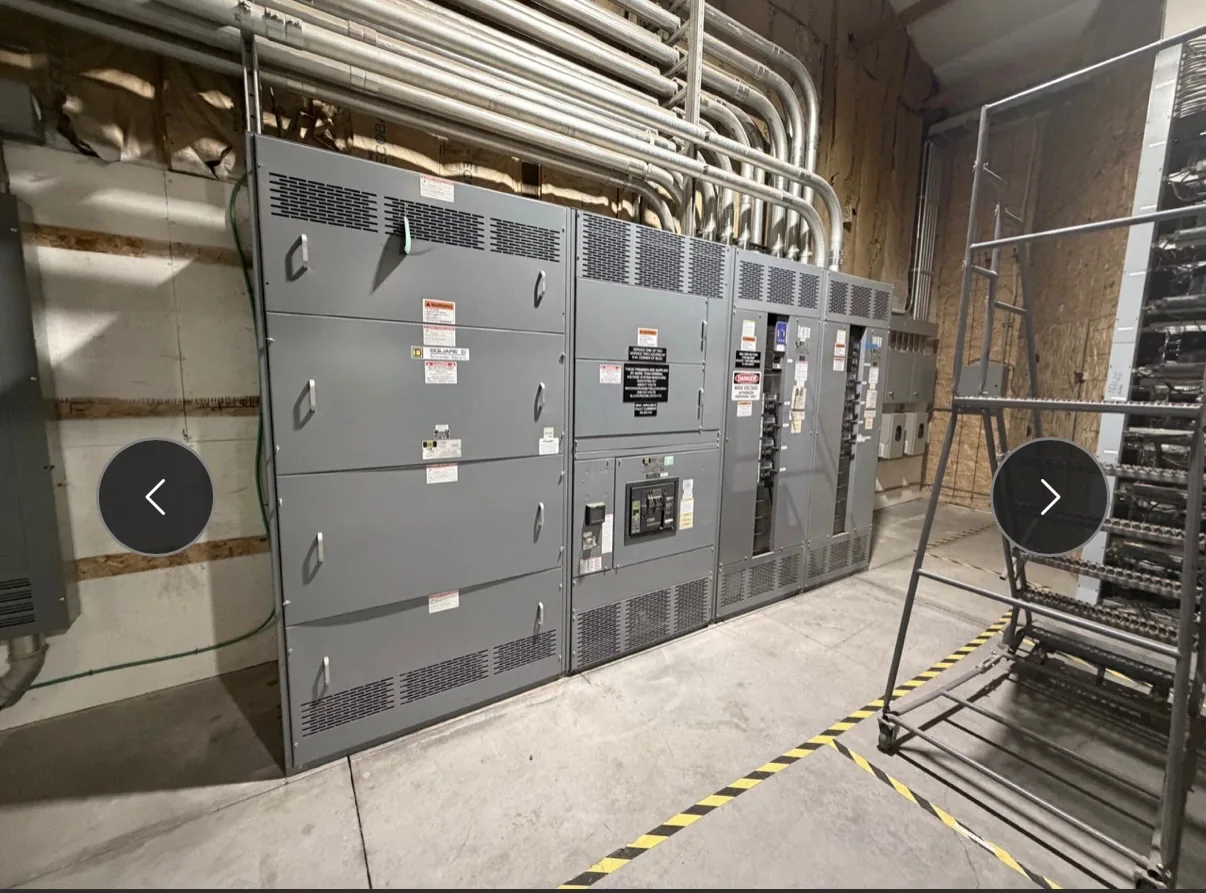
RATINGS / MANUFACTURER DIRECT
27 kV switchgear selection starts with the utility’s stated system voltage, but that number alone does not define the equipment needed. The design team must reconcile nominal voltage with the equipment’s voltage class, insulation withstand requirements, fault duty, and installation conditions. Switchgear Builder Virginia manufactures new, custom-built equipment in the USA using all-American components, with nationwide shipping. For a project review, provide the utility interface information and available fault-duty data so the requested configuration can be evaluated against the actual service conditions. Ratings and schedules remain subject to quotation and verification; a voltage label by itself is not a complete specification.
Voltage and equipment class
A 27 kV system reference and a 27 kV equipment-class designation are related, but they answer different questions. Nominal system voltage describes the network’s operating level; equipment class identifies the voltage range and design basis of the switchgear. Confirm the utility’s nominal and maximum system voltage, grounding method, and any stated overvoltage conditions rather than selecting from the project title alone. Then compare that information with the equipment’s rated maximum voltage and applicable insulation requirements. This distinction can prevent a mismatch where a label appears to fit but the actual system conditions do not. Send the one-line diagram and utility service criteria with the inquiry. The proposed equipment class and rating basis can then be checked against those documents instead of inferred from the phrase “27 kV switchgear.”
Insulation withstand requirements
Insulation level is not established by nominal voltage alone. The specification should identify the required power-frequency and impulse withstand levels, along with the conditions under which those values apply. Confirm whether the utility or engineer has prescribed specific levels, and make clear which components and connections the requirement covers. A higher insulation level may affect clearances, component selection, enclosure dimensions, and cost; specifying more than the project needs can constrain the design without resolving other risks. Conversely, leaving the requirement unstated invites assumptions during quotation. Ask the utility or responsible engineer to confirm the insulation basis and any altitude or environmental correction requirements. Switchgear Builder Virginia can review stated requirements for a custom build, but the exact insulation ratings and configuration must be verified against the project documents and offered equipment before they are treated as available.
Fault duty and utility interface
Fault duty must be evaluated independently from voltage class. Provide the available short-circuit current at the switchgear connection, the expected clearing time or other specified duty basis, and any utility source information the engineer has supplied. Also identify whether the equipment serves an incoming utility source, transformer secondary, generator, or another arrangement; the point of connection can change the relevant study assumptions. Confirm the utility’s grounding and protection requirements, as well as any requested metering or relay functions. Do not substitute a site-wide fault-current estimate for data at the actual interface without engineering review. Those details help establish breaker interrupting and momentary requirements, bus duty, and coordination needs. If the study is incomplete, identify the open items rather than guessing. Final ratings remain subject to review of the verified system data and the quoted design.
Configuration and installation conditions
Once voltage, insulation, and fault duty are defined, describe the physical and operating constraints that shape the lineup. State indoor or outdoor installation, available room dimensions, cable entry direction, required lineup arrangement, and access or maintenance clearances. Identify feeder count, bus configuration, metering, control power, and protection functions as requirements or preferences, not assumed standard features. Environmental conditions such as altitude, temperature range, moisture exposure, and contamination may affect equipment selection and must be reviewed against the proposed design. Include foundation details and conduit locations when available; late changes can affect enclosure layout and field connections. A compact arrangement may reduce floor space but can limit access or future expansion, while extra sections add space and project cost. A clear equipment schedule and drawings let the manufacturer evaluate these tradeoffs before confirming a buildable configuration.
Documents for a useful quote
For a focused quotation, send the one-line diagram, utility service letter or interface criteria, fault-duty study, equipment schedule, and relevant site drawings. Mark which values are mandatory, which are preliminary, and which remain pending so the review does not turn assumptions into firm requirements. Include the requested standards, construction type, breaker arrangement, bus ratings, relay and metering scope, and any specified inspection or test documentation; each item should be confirmed for the proposed design rather than presumed. Switchgear Builder Virginia manufactures new custom equipment directly in the USA using all-American components and ships nationwide. Production timing and ratings depend on the verified scope and quote, so confirm them for the specific project. A documented review gives the buyer a practical basis to compare design fit, required data, and open decisions before placing an order.