
RATINGS / MANUFACTURER DIRECT
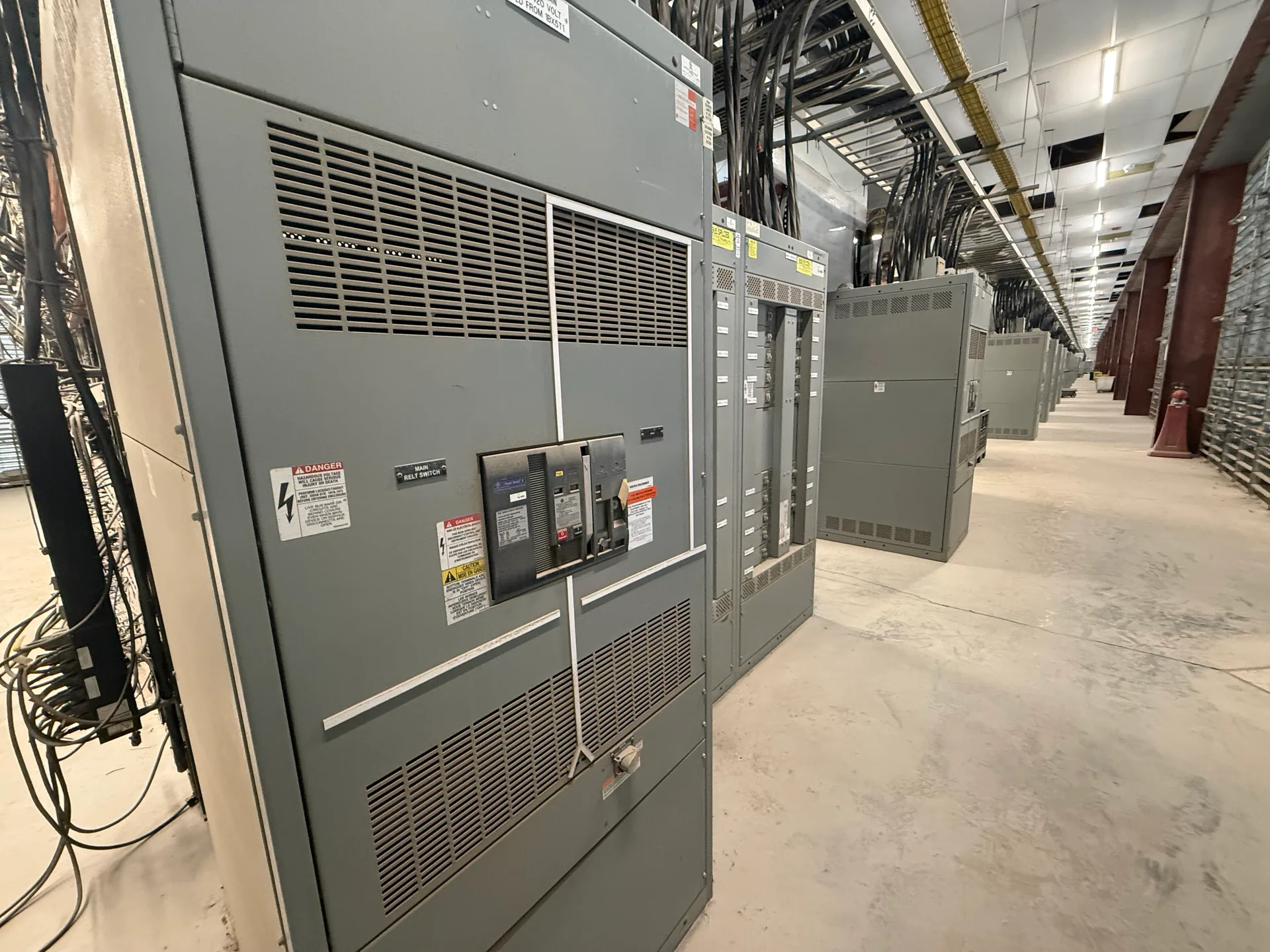
Continuous current rating is one part of equipment selection, not a shortcut for choosing a switchboard from a single breaker number. Buyers should compare the assembly nameplate and documented limits with the load calculation, expected operating pattern, installation environment, and project specifications. A breaker’s rating, a bus rating, and the calculated demand describe different things; none alone confirms that the complete lineup is suitable. Switchgear Builder Virginia manufactures new custom switchgear in the USA with all-American components and ships nationwide. For applicable low-voltage switchboards, UL 891 assemblies can be considered where the project calls for them. Ratings, configurations, schedules, and applicable requirements are subject to quote and verification.
What the Rating Describes
A continuous current rating identifies the current an assembly or component is designed to carry under stated conditions. It is not interchangeable with a breaker’s trip setting, frame size, or the total of feeder ratings. A lineup contains current-carrying parts—such as bus, connections, and protective devices—and its usable capacity depends on the ratings and permitted arrangement of the complete assembly. Nameplate information and the applicable product documentation are the starting points for review. Confirm which value belongs to the switchboard and which belongs to an individual device, then check that the specified voltage, configuration, and conditions match the intended installation. For applicable low-voltage switchboards, UL 891 is a switchboard standard; its relevance and assembly status must be verified for the offered equipment and project. ([ul.com](https://www.ul.com/news/ul-offers-solutions-switchboard-makers))
Rating Versus Calculated Demand
Calculated demand estimates what the system is expected to draw based on connected loads and the project’s applicable design assumptions. It is not simply the sum of every breaker handle, and it does not raise the assembly’s marked rating. Conversely, a nameplate rating is not a prediction that the facility will use that much current. Ask the design team to provide the load calculation, expected operating schedule, major motor or other large-load details, and anticipated future additions. Compare those inputs with the proposed main, bus, and feeder arrangement rather than selecting from the largest individual device. Any spare capacity should be defined in useful electrical terms, not inferred from empty breaker spaces alone. Switchgear Builder Virginia can review project requirements for a new custom build; final ratings and configuration remain subject to engineering review and quote.
Continuous Loads and Breakers
A load that runs for extended periods can affect conductor, device, and assembly selection differently from a load that operates briefly or intermittently. Do not assume a standard breaker can carry its full marked current continuously in every application, or that a nominal percentage rule applies regardless of equipment. Some breaker and assembly arrangements are specifically evaluated for higher continuous loading, but those capabilities depend on the exact device, enclosure, installation conditions, and applicable instructions. The project engineer should identify which loads are continuous and confirm the required protection and sizing method against governing documents. When comparing proposals, ask whether any stated continuous-load capability applies to the complete proposed equipment or only a component. A breaker’s rating alone does not establish the switchboard’s continuous current capacity. Document the basis clearly so reviewers can distinguish assumptions from verified assembly ratings.
Ambient and Installation Conditions
Temperature around the equipment can influence current-carrying performance because electrical components produce heat while operating. Review the specified ambient range, indoor or outdoor location, enclosure arrangement, ventilation, nearby heat sources, and installation clearances with the equipment documentation. A warm electrical room, restricted airflow, or closely grouped heat-producing devices may make assumptions based on a cooler test or reference condition unsuitable. Altitude and other environmental constraints may also be relevant where the manufacturer’s instructions identify them. Do not apply a generic derating factor without confirming that it fits the proposed assembly and its documentation. Include known site conditions in the inquiry, especially where equipment will operate in a hot, crowded, or otherwise unusual space. Any necessary adjustments or limitations should be resolved during design review, not discovered after the lineup has been specified.
Review the Complete Lineup
A useful submittal review checks more than the main breaker: confirm the bus and device ratings, voltage, phases, feeder schedule, protective-device selections, and the intended continuous-load basis. Also verify short-circuit requirements and coordination information as separate criteria; current-carrying capacity does not by itself establish fault performance. Provide the single-line diagram, load data, project specification, environmental conditions, and any required standard or approval criteria when requesting a quote. Ask which values are assembly ratings, which are component ratings, and what assumptions or limits apply to the proposed configuration. Switchgear Builder Virginia manufactures new switchgear with custom-build options, USA manufacturing, all-American components, and nationwide shipping. Lead times and ratings are confirmed for the quoted scope; schedules and requirements must be checked for each project.