
RATINGS / MANUFACTURER DIRECT
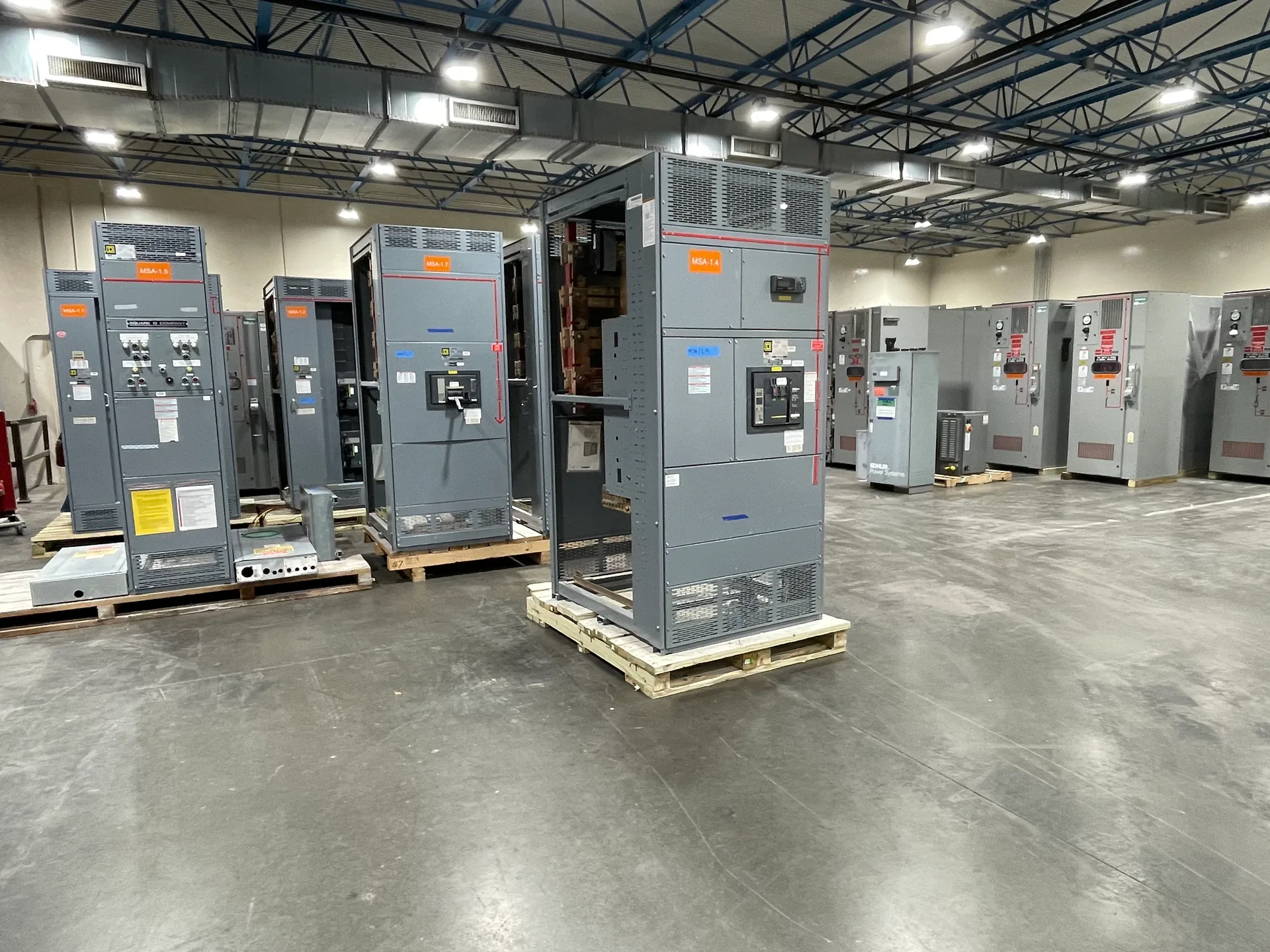
A 277/480 V system can serve different loads through one distribution design, but the voltage label alone does not define the equipment. Switchgear Builder Virginia manufactures new, custom switchgear in the USA using all-American components, with nationwide shipping and short lead times subject to project scope and quote. For applicable low-voltage switchboards, UL 891 assemblies may be specified when appropriate. Buyers should confirm the service arrangement, load mix, neutral requirements, and available fault information before selecting an assembly. These inputs shape the bus, protective devices, and enclosure configuration; ratings and schedules require project-specific review and verification.
Confirm the system
Start with the utility or upstream source documentation, not just a 277/480 V label. Confirm whether the service is three-phase, four-wire wye, how the neutral is treated, and what grounding arrangement applies. A common 480Y/277 V system supplies 480 V between phases and 277 V from phase to neutral, but the actual source configuration must be established for the project. Also identify service location, nominal and maximum operating conditions, and any transformer or generator connection that affects the distribution lineup. These details influence bus arrangement, neutral provisions, metering, and protective-device selection. Do not assume equipment is suitable for a particular service or installation because its voltage matches. Provide current one-line diagrams and utility requirements for review; confirm any required listing, approvals, and ratings against the project documents and the final equipment submittal.
Map connected loads
Separate the expected loads by voltage, phase, and operating behavior. Lighting connected phase-to-neutral may use 277 V, while many motors and other three-phase loads may connect phase-to-phase at 480 V; verify each nameplate and wiring design rather than inferring voltage from equipment type. List major motors, drives, heating, receptacles, and future capacity separately, including starting or inrush characteristics when available. A balanced load estimate helps the designer allocate circuits across phases, but actual diversity and growth assumptions should be documented, not hidden in an oversized estimate. Identify loads that operate continuously or together, and note any harmonics-producing equipment for engineering review. This load schedule helps determine feeder and branch device needs and whether the proposed lineup supports planned operation. Final ampacity, temperature, and protection selections depend on verified project conditions and applicable design requirements.
Specify neutral needs
A four-wire wye arrangement can make a neutral available for 277 V line-to-neutral loads, but the neutral configuration should follow the actual source and system design. Provide the expected neutral-connected load, its distribution across phases, and any known nonlinear loads, such as electronic lighting drivers or variable-frequency equipment. These details can affect neutral sizing and the need for specific provisions; they do not by themselves establish a required neutral rating. The engineer should evaluate harmonic content, grounding and bonding, and the treatment of neutrals at source and downstream equipment. Clearly identify whether neutral bus is required throughout the lineup or only at designated sections, and coordinate metering and feeder connections accordingly. Do not assume a neutral can be omitted because most loads are 480 V, or that it must be full-sized without review. Verify the final arrangement against drawings, equipment submittals, and applicable requirements.
Coordinate protection
Protective-device selection depends on more than nominal voltage and load current. Supply available fault-current information at the equipment location, source and transformer details, and upstream protective-device data so the design team can evaluate interrupting and withstand requirements. The study and project specifications may also define coordination objectives, arc-flash analysis inputs, trip functions, and metering needs. These are design criteria to verify, not assumed features or ratings. Confirm whether breakers, fused devices, or a specified combination is required, along with frame and trip settings where the engineer has established them. Review selective coordination needs among service, feeder, and branch devices without assuming every operating condition can be selective. Final device ratings and settings must be checked against the system study and selected equipment. A voltage-matched assembly alone does not establish adequate fault performance or protection for the installation.
Prepare the quote package
A useful request package includes the one-line diagram, load schedule, service and grounding details, fault-current data, protective-device requirements, metering needs, physical constraints, and requested submittal documents. Identify whether the project requires a low-voltage switchboard assembly and whether UL 891 applies; that standard is relevant only to applicable low-voltage switchboards, not a blanket claim for every product called switchgear. Include site access, shipping destination, and any specification-driven inspection or testing requirements for confirmation in the quote. Switchgear Builder Virginia can review requirements for a custom new assembly manufactured in the USA with all-American components. Lead time and ratings depend on the reviewed scope, component availability, and verification, so confirm the schedule and final selections in the quote and approved submittals. Nationwide shipping is available; project details determine the quoted arrangement and schedule.