
RATINGS / MANUFACTURER DIRECT
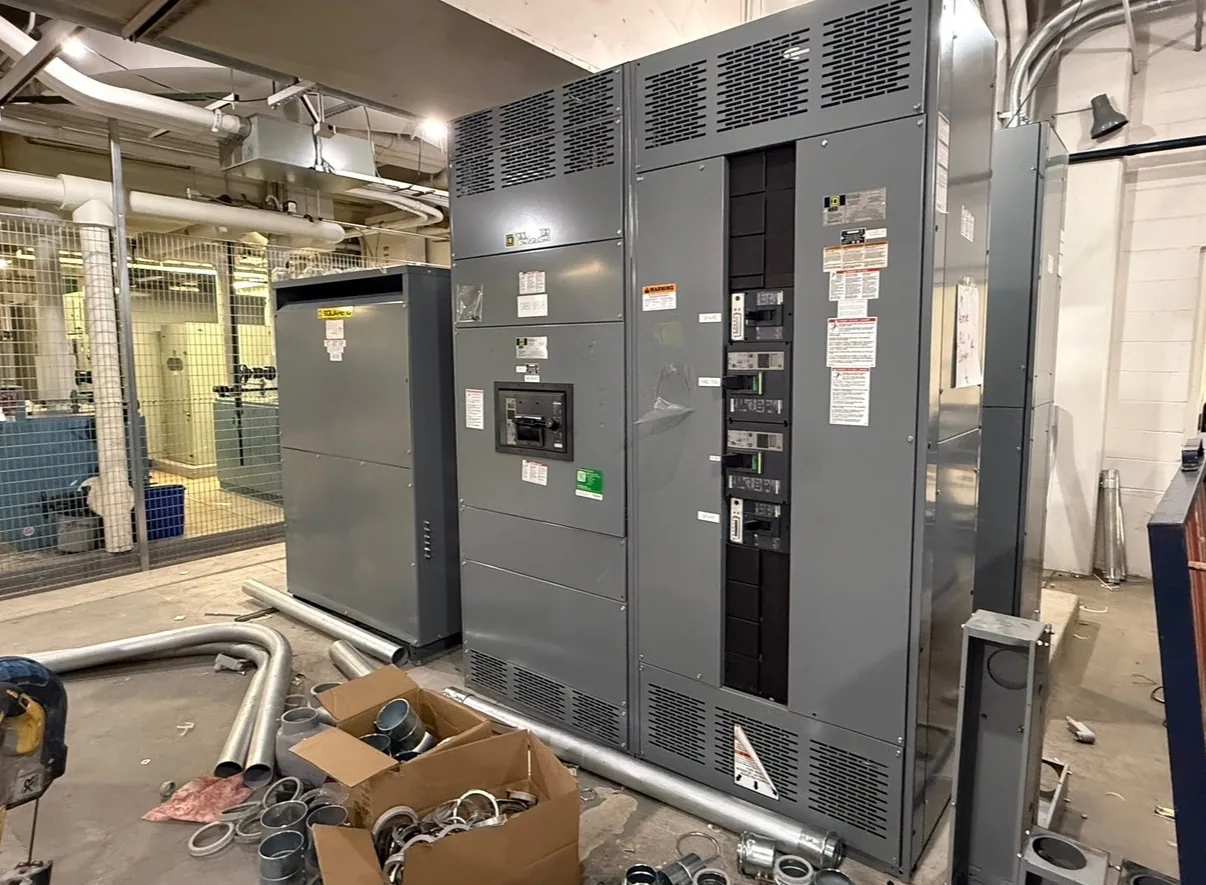
A 4000 A designation is a starting point for defining an assembly, not a complete equipment specification. The required voltage, system arrangement, available fault current, main protection, connected loads, installation environment, and site access all affect the final design. Switchgear Builder Virginia manufactures new custom equipment in the USA using all-American components, with nationwide shipping. For applicable low-voltage switchboards, UL 891 requirements may apply; confirm the equipment type and project requirements before specifying the assembly. A quote can address configuration, schedule, and shipping details for review.
Define the 4000 A scope
First establish what the 4000 A value describes: a bus rating, a main device rating, or the intended service capacity. Those values are related but are not interchangeable, and the complete assembly must be evaluated against the project’s electrical conditions. Identify system voltage, phase and wire arrangement, frequency, grounding method, source configuration, and whether the equipment is a low-voltage switchboard or medium-voltage switchgear. Also document incoming and outgoing feeder quantities, load types, future spaces, and any tie or transfer arrangement. A 4000 A label alone does not establish interrupting capacity, short-circuit withstand, or suitability for a particular installation. These details help define a custom build without assuming that a standard layout will fit. Share current one-line diagrams and specifications for engineering review; confirm all ratings and applicable standards in the project documents and final quote.
Choose main protection
Main protection should reflect the source, conductors, downstream devices, and required operating approach, rather than being selected from the bus number alone. Project teams may evaluate a main circuit breaker, fused arrangement, or other permitted configuration, but availability and suitability depend on the complete design. Provide the expected load profile, transformer or generator information, available fault current, and upstream protective-device data so the protection scheme can be reviewed. Selectivity, coordination, and arc-flash objectives can affect device type, trip functions, and settings; those decisions belong in the coordinated design and must be verified by qualified project professionals. A 4000 A bus does not itself establish a device’s interrupting rating or prove coordination. Identify whether the main is service entrance equipment and specify required metering, control power, interlocks, and incoming-cable or bus connections. Confirm final device ratings and settings against the approved documents.
Account for heat and site
At high current, heat management is a design consideration because bus joints, devices, cable terminations, and enclosure conditions influence operating temperature. Provide the equipment location, ambient conditions, elevation if relevant to the project, ventilation constraints, enclosure requirements, and expected loading profile. Include conductor material and termination requirements when known, and identify whether cables enter from above, below, or another direction. Do not assume that a 4000 A assembly can use any enclosure footprint or ventilation arrangement; dimensions and thermal suitability must be checked for the proposed construction and installation. Clearances, access for maintenance, and nearby heat sources may also constrain placement. The project’s governing specifications and applicable standards define required verification. Ask the manufacturer to review these inputs and document the proposed configuration, rather than relying on a generic temperature assumption. Confirm site conditions and installation responsibilities with the project team before release.
Plan shipping splits early
A 4000 A assembly may require multiple shipping sections, but the split plan must be developed around the actual lineup, transport limits, site route, and installation sequence. Provide doorway and corridor dimensions, turning space, elevator or crane constraints, receiving access, laydown area, and the intended final equipment location. Section boundaries can affect bus connections, alignment, lifting, and field assembly, so they should be coordinated with electrical and construction drawings before fabrication. Do not assume a particular section count, maximum shipping size, or delivery arrangement without a reviewed layout and quote. Confirm who handles unloading, movement into the building, joining sections, and making field connections; these responsibilities should be explicit in project documents. Nationwide shipping is available, while freight timing and handling details remain subject to quote and verification. Early access information helps reduce avoidable redesign and supports a realistic project schedule without promising delivery.
Verify standards and documents
Before purchase, align the equipment description, one-line diagram, specifications, and quote so each document refers to the same configuration. For applicable low-voltage switchboards, identify whether UL 891 is required and verify the proposed assembly’s applicable listing and scope; do not apply that standard to medium- or high-voltage equipment. Confirm bus and device ratings, fault-duty requirements, enclosure details, incoming and outgoing terminations, metering, controls, and shipping splits as applicable. If the project has specified tests, inspections, approvals, or documentation, state them in the inquiry so their availability and scope can be reviewed rather than assumed. Switchgear Builder Virginia can quote a custom new assembly manufactured in the USA with all-American components. Lead times are short, but the schedule must be confirmed for the specific project. Review final drawings and requirements before authorizing fabrication, and resolve open technical items with the responsible design professionals.