
SERVICES / MANUFACTURER DIRECT
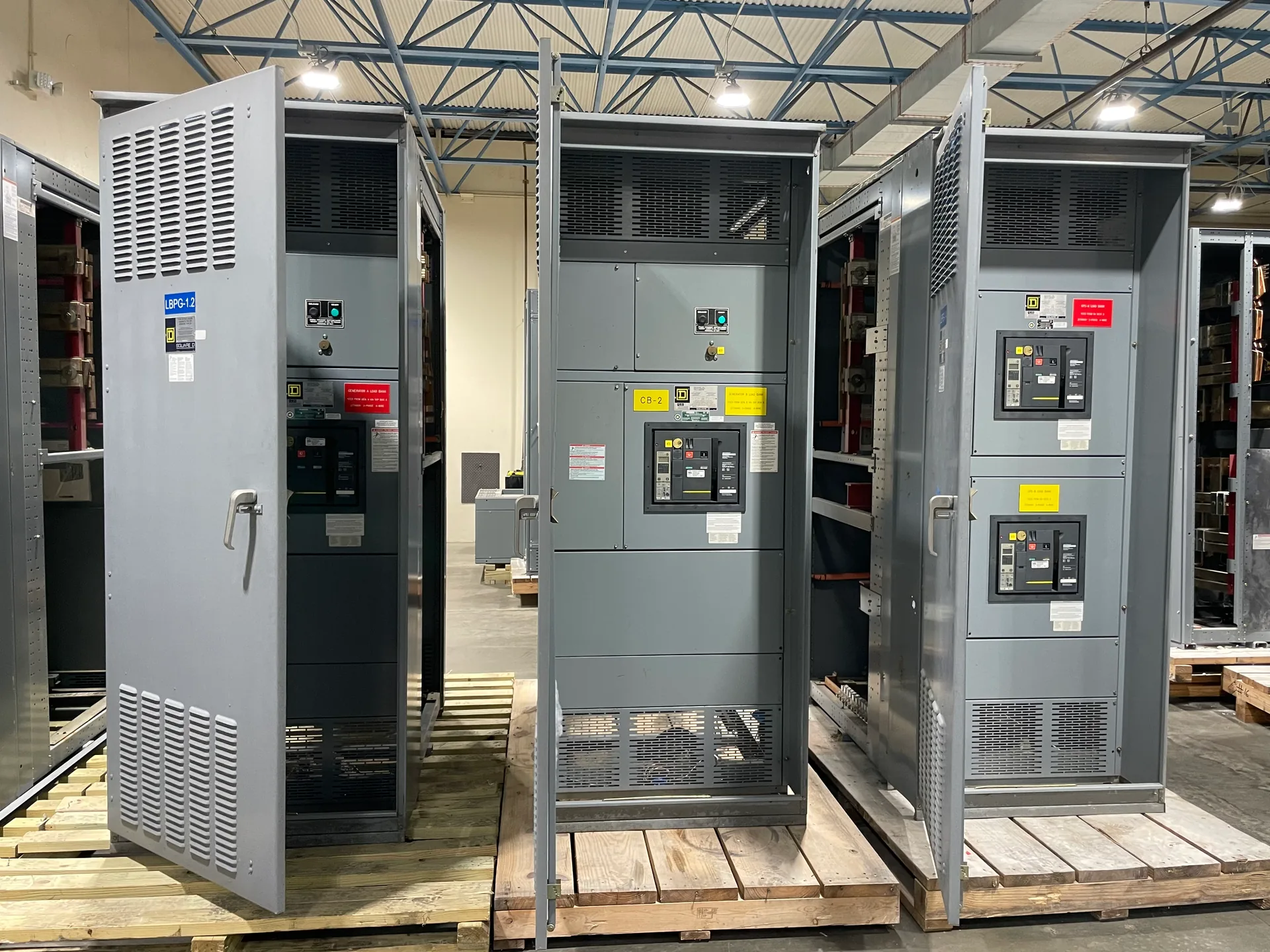
Breaker replacement planning starts with identifying what is installed, what the electrical system requires, and whether a compatible new assembly can be specified. A breaker’s physical fit alone does not establish that it can perform the required protective function. Switchgear Builder Virginia manufactures and supplies new switchgear, including custom builds; the scope and availability of any breaker-related work must be confirmed for the particular project. Use the existing lineup information as a starting point, then verify equipment details, ratings, interfaces, and coordination requirements before requesting a quote.
Identify the Installed Breaker
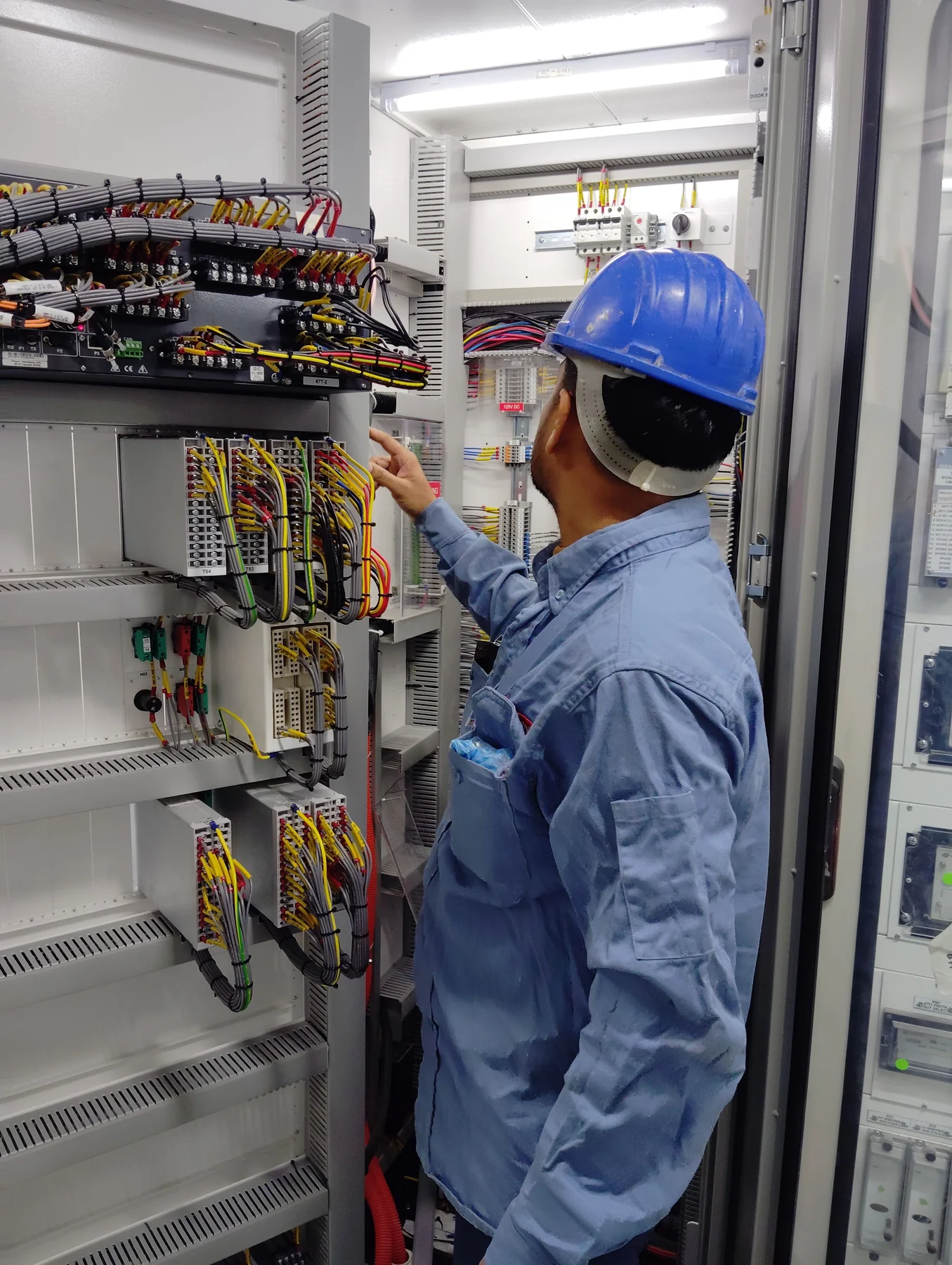
Begin with the equipment nameplate, breaker label, drawings, and maintenance records, if available. Record the manufacturer and model, frame size, continuous-current rating, trip-unit type, sensor or rating plug details, and any catalog or serial numbers. Note whether the breaker is fixed or drawout, and document its mounting arrangement and connection style. These details help distinguish units that may look alike but differ electrically or mechanically. Do not assume that a replacement is suitable because its frame designation or handle rating matches. Records may be incomplete, and labels can be difficult to read; photographs and a clear description can help with initial review, but they do not replace verification against the actual equipment. For a new project, Switchgear Builder Virginia can review the available information to determine what can be specified and quoted; scope must be confirmed rather than presumed.
Check Ratings and Protection
Review the system voltage, current requirements, and available fault current alongside the breaker’s interrupting and short-time ratings, where applicable. The replacement must be evaluated for the system it will serve, not selected from a single rating on the existing device. Trip-unit functions and settings also matter: long-time, short-time, instantaneous, and ground-fault features may affect how the breaker responds and coordinates with upstream and downstream protection. A changed trip unit or rating plug can alter the protective behavior even when the breaker frame is unchanged. Gather the one-line diagram, available fault-current information, and coordination study or settings documentation when those records exist. Qualified project personnel should establish required settings and review system conditions. Final equipment selection, ratings, and any requested protective functions remain subject to engineering review and quote; an inventory description alone does not confirm suitability.
Verify the Physical Interface
Compare the existing breaker’s dimensions and connection details with the receiving compartment and bus arrangement. Relevant items can include overall height and depth, primary disconnect position, bus orientation, secondary control plug, interlocks, shutters, and the drawout or racking mechanism. Check required insertion and withdrawal space, door swing, cable access, and nearby equipment for installation clearance. A breaker that fits within the compartment may still have incompatible contacts, controls, or interlocks. Do not modify equipment or bypass safety features to make an uncertain fit work. Use approved drawings and manufacturer documentation where available, and have qualified personnel confirm field conditions through the project’s established process. If the existing lineup cannot accept a verified replacement, the discussion may need to shift to a new switchgear assembly or another engineered scope. Whether that scope is available must be confirmed before planning around it.
Plan Coordination and Scope
Before specifying a replacement, establish what the project actually needs: a breaker component, a complete breaker assembly, a new lineup, or planning support tied to a broader equipment purchase. These are distinct scopes and should not be treated as interchangeable. Identify who will assess existing conditions, provide drawings, determine protection settings, perform installation, and review the completed work. Confirm responsibilities, required submittals, outage assumptions, and acceptance documentation with the parties responsible for the project. If coordination depends on other breakers or protective devices, assess the system as a whole rather than changing one device in isolation. Switchgear Builder Virginia’s established scope is manufacturing and supplying new switchgear, including custom builds; specific breaker-replacement services, components, and project tasks are not assumed. Ask for the intended deliverable to be stated clearly in the quote, with technical requirements and schedule subject to review and verification.
Prepare a Quote Package
A useful inquiry package includes clear nameplate and breaker photographs, the lineup manufacturer and model, available drawings, breaker ratings and trip-unit details, system voltage, fault-current data, and the intended project scope. Add compartment dimensions or interface drawings when available, plus the quantity required and any project-specific documentation needs. Mark unknowns instead of guessing; an uncertain fault rating or incomplete catalog number should be flagged for verification. These records support an initial review but do not prove that a particular breaker or assembly is available, compatible, or suitable. Switchgear Builder Virginia manufactures new equipment with direct USA manufacturing, all-American components, custom builds, short lead times, and nationwide shipping. Product configuration, applicable requirements, schedule, and ratings are confirmed through the quote process. For applicable low-voltage switchboard assemblies, UL 891 may be relevant; its applicability must be verified for the specified equipment. No schedule or rating should be assumed before confirmation.