
SERVICES / MANUFACTURER DIRECT
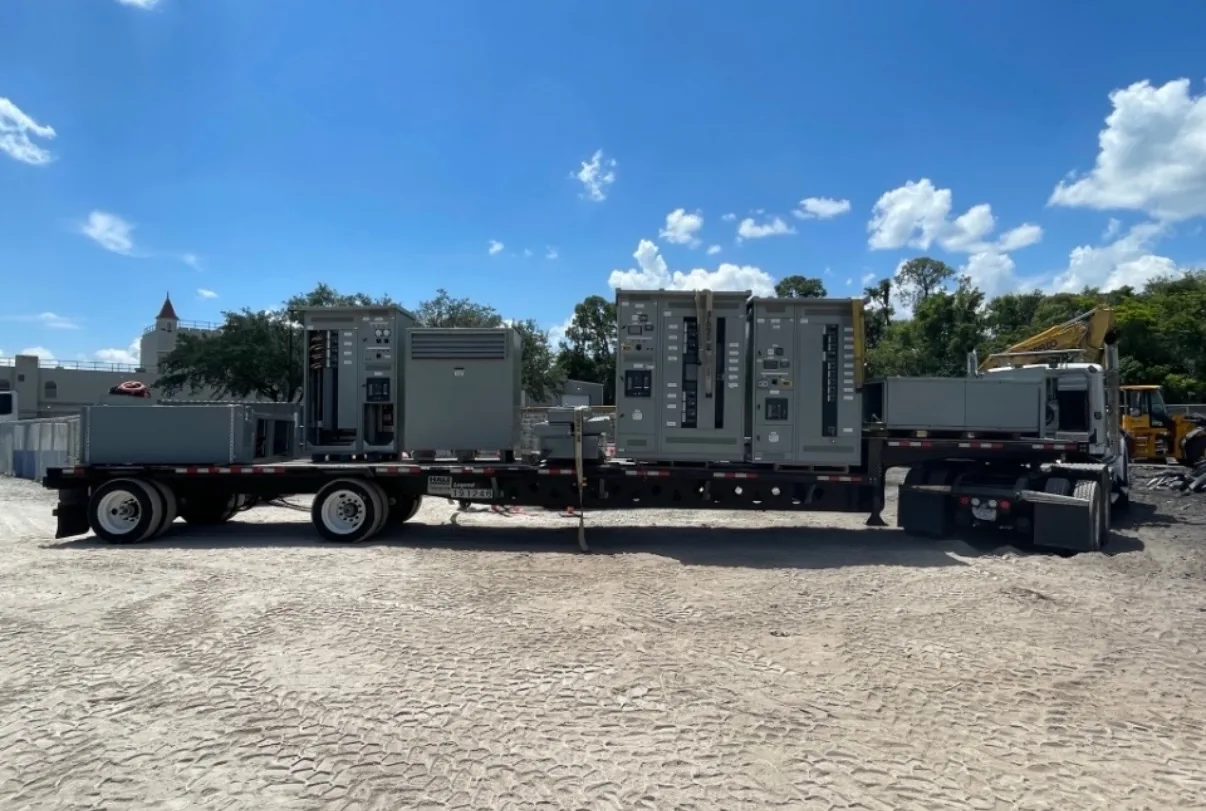
Enclosure design starts with the equipment’s location and how people must reach, inspect, and maintain it. Switchgear Builder Virginia manufactures custom switchgear in the USA using all-American components, with enclosure details developed around the project requirements. Outdoor exposure, room conditions, mounting, working clearances, cable entry, and finish all affect the design. Share the site conditions and equipment information early so the proposed arrangement can be reviewed before fabrication. Enclosure features, dimensions, schedules, and ratings are subject to quotation and verification.
Define the exposure
Describe where the equipment will be installed, not just whether it is indoors or outdoors. Identify exposure to rain, dust, washdown, corrosive substances, temperature variation, sunlight, or other site conditions that may affect enclosure selection. These details help determine which construction and protective features should be considered; they do not establish a rating until the complete design is reviewed and verified. Note whether the equipment sits in a conditioned electrical room, an unconditioned space, or an exposed location, and flag nearby processes that could introduce moisture, debris, or chemical vapors. A clear exposure description helps avoid specifying an enclosure that is unnecessarily elaborate or inadequate for the actual environment. Provide project documents or site notes when available, and confirm applicable enclosure requirements with the responsible project professionals before release.
Plan access and clearances
An enclosure must fit the room and leave practical access for operation and planned maintenance. Provide the available footprint, equipment orientation, nearby walls or obstructions, door swing constraints, and the approach route used to move equipment into place. Identify the intended operating side and any access needed for inspection, cable terminations, or component replacement. Clearances depend on the equipment, installation, and governing project requirements, so dimensions should be checked by the project team rather than assumed from a general layout. Door placement and removable panels can affect both access and how the assembly is arranged internally. Early coordination is especially useful when several sections, adjacent equipment, overhead services, or restricted room entrances shape the installation. Final dimensions and access provisions remain subject to drawing review and quotation.
Coordinate mounting and entry
Mounting details and cable entry should be resolved alongside the enclosure layout. Specify whether the assembly is floor-mounted, wall-mounted, or arranged using another project-defined support, and provide the relevant base, anchoring, or structural interface information for review. Show where conductors, conduit, bus connections, and control wiring are expected to enter or leave the enclosure. Bottom, top, and side entry choices can influence internal spacing, section arrangement, and access for installation; the preferred direction should be confirmed against actual site conditions. Include conductor routing constraints and identify any planned connection to adjacent equipment. Do not rely on an assumed knockout pattern or field modification when the entry locations affect the design. Confirm final openings, supports, and interfaces on approved project drawings before fabrication proceeds.
Specify the finish
Finish requirements should reflect the installation environment and the project’s appearance or identification needs. Describe exposure that could affect the finish, any owner-specified color or coating, and whether labels or other markings must follow a project standard. A finish choice is not a substitute for selecting an enclosure appropriate to the environment, and a stated coating alone does not establish corrosion performance. Where the site has unusual chemical, moisture, or temperature conditions, provide those details for review rather than relying on a generic description such as “weatherproof.” The manufacturer can quote custom construction details against the stated requirements, but available materials, coatings, and fabrication methods must be confirmed for the specific design. Record finish selections and any exceptions in the project documents so purchasing, engineering, and installation teams are working from the same basis.
Review the design before release
Before fabrication, compare the enclosure drawings with the electrical one-line, equipment schedule, room layout, cable plan, and project specifications. Check section dimensions, access sides, mounting interfaces, entry locations, finish notes, and any stated environmental or enclosure requirements. Resolve conflicts in writing; a mismatch between a room opening and the shipped assembly, for example, can affect installation even when the electrical arrangement is otherwise suitable. For applicable low-voltage switchboard assemblies, UL 891 requirements may apply; applicability and assembly details must be verified for the quoted configuration. That standard does not establish suitability for every installation or apply to medium- or high-voltage topics. Switchgear Builder Virginia offers custom manufacturing, short lead times subject to quote and verification, and nationwide shipping. Confirm the final scope, schedule, ratings, and documentation in the quotation and approved drawings.