
SERVICES / MANUFACTURER DIRECT
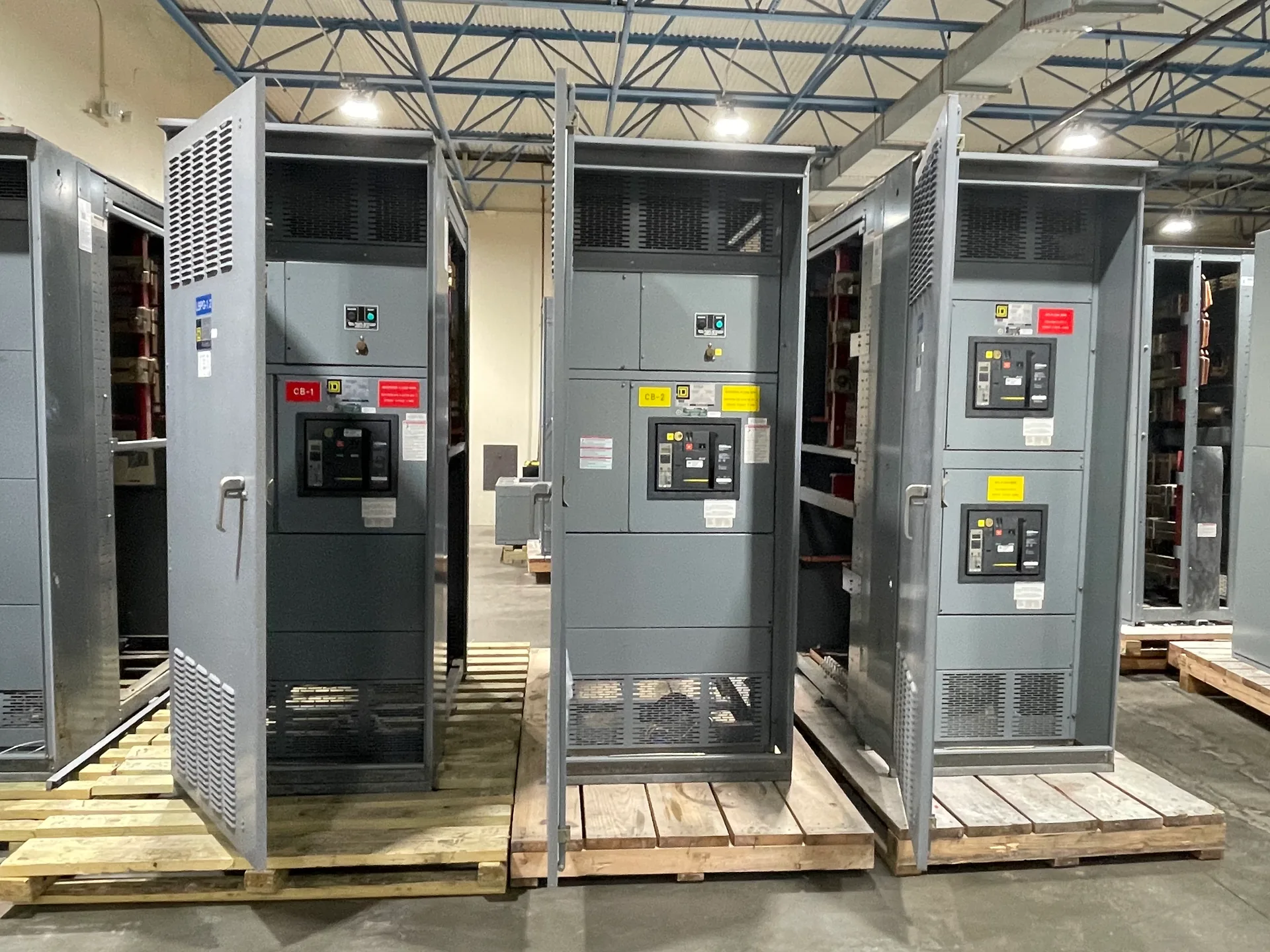
Protective relay integration affects how a new switchgear assembly receives signals, issues trip commands and fits into a larger protection scheme. Buyers should define the equipment boundary, relay functions, wiring interfaces and responsibility for settings before approving a design. Switchgear Builder Virginia manufactures new custom switchgear in the USA using all-American components, with short lead times subject to quote and verification and nationwide shipping. The integration scope, available devices and assembly details must be confirmed for each project; protection settings require qualified personnel.
Define the Scope
Start by identifying which new assembly needs relay integration and what it must connect to: breakers, current or voltage transformers, meters, communications, alarms, or a supervisory system. A one-line diagram and a clear list of required protective functions help distinguish equipment design from system protection engineering. Specify whether the scope includes relays mounted in the assembly, terminal blocks and internal wiring, or interface points for other equipment. Also identify which devices and signals are furnished by others, so neither side assumes an unplanned responsibility. Switchgear Builder Virginia can discuss custom-build requirements for new switchgear, with the final scope subject to quote and design verification. Do not treat a request to install a relay as approval of its application or settings. Establishing boundaries early can reduce redesign, clarify submittals and make comparisons between proposals more meaningful.
Choose Devices by Function
Select a relay based on the protection functions and interfaces required by the project, not on a familiar model name alone. Confirm the intended application, input types, auxiliary power needs, output contacts, communication requirements and physical mounting constraints against the project documents and device manufacturer information. A multifunction relay may consolidate functions, but it can also add configuration and coordination work; separate devices may make responsibilities more explicit while requiring more panel space and wiring. Buyers should identify required alarms, trip outputs and status points, and decide which signals must be available to external controls. Compatibility with existing equipment is a design question, not an assumption based on appearance or nominal voltage. Provide preferred device makes or approved alternatives if the project specifies them. Final device selection, ratings and availability must be reviewed for the quoted assembly and its documented interfaces.
Plan Wiring and Layout
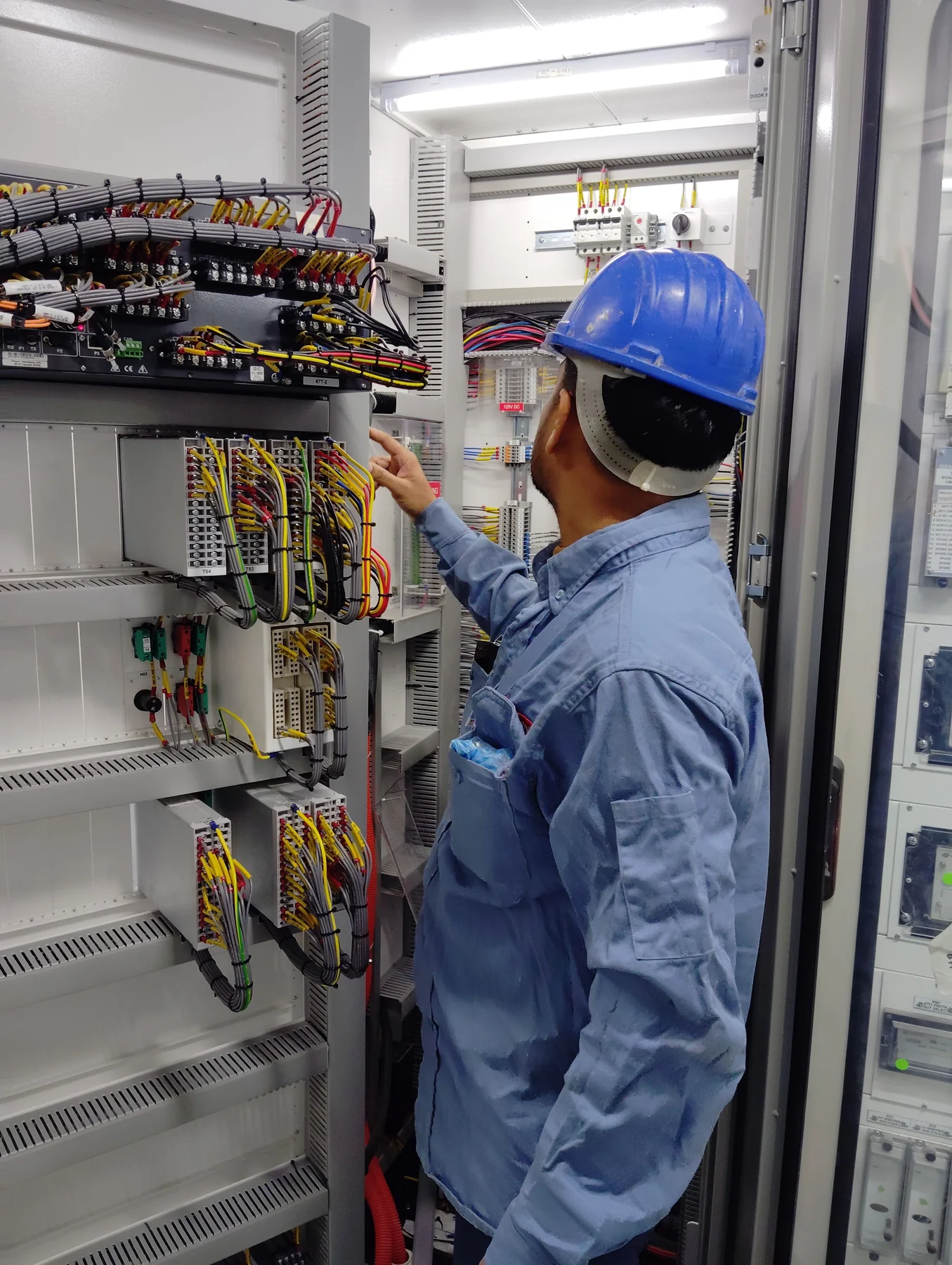
Relay wiring needs a deliberate point-to-point plan. Identify each sensing input, trip circuit, control-power source, alarm contact and communications connection, then align terminal numbering and wire identification with the project drawings. Separate internal assembly wiring from field connections so installers can see where responsibility changes. A compact layout can reduce enclosure space, but service access, wire routing, heat, bend space and clear labeling still matter. Buyers should also specify whether drawings need to show elementary diagrams, terminal plans and connection details, and what format or review process is expected. Do not assume a relay's presence means every required field device or cable is included. The final layout depends on the selected equipment and verified project constraints. Reviewing the interface plan before release helps reveal missing signals and conflicting assumptions while changes are still manageable.
Keep Settings Responsibility Clear
Relay integration and protection-study responsibility are different work scopes. Qualified personnel responsible for the project protection scheme should supply or approve settings, including applicable pickup values, time characteristics, logic and coordination decisions. The switchgear manufacturer should not be presumed to create or validate those settings unless that engineering scope is expressly defined and qualified. Establish who provides the settings file, who checks it against the specified relay, who loads it, and what records are required. If settings are pending, state that clearly in procurement documents rather than treating example values as approved. Wrong or incomplete settings can undermine the intended protection scheme, so the approval path matters as much as the device choice. Any testing, commissioning, study, approval or field service should be explicitly specified and confirmed; do not assume it is included in an assembly quote.
Verify Before Release
Before approving production, reconcile the approved one-line, relay schedule, wiring diagrams, device data and responsibility matrix. Check that each required input and output has a defined destination, that trip interfaces match the specified breaker arrangement, and that communications expectations identify protocols or handoff points where applicable. Ask which documents will be included with the new assembly and whether any inspection or factory verification is part of the quoted scope; procedures and records must be confirmed rather than presumed. UL 891 applies only where the quoted product is an applicable low-voltage switchboard, not as a general claim about relay integration or every switchgear assembly. Switchgear Builder Virginia can quote custom new equipment with nationwide shipping; schedules, ratings, components and documentation remain subject to project review and verification. A clear approval record helps buyers compare scope and resolve open items before release.