
SERVICES / MANUFACTURER DIRECT
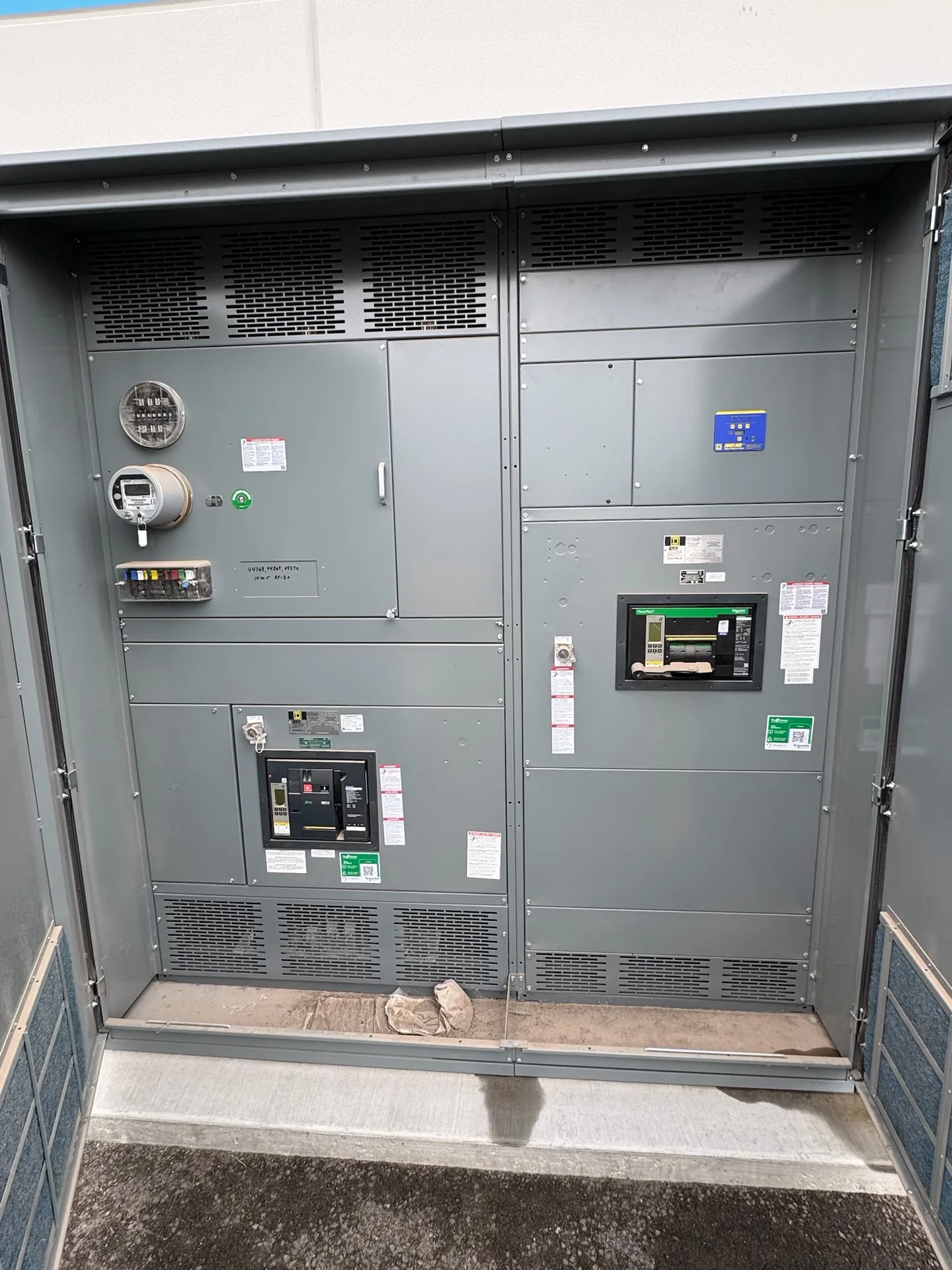
Factory switchgear testing is not one universal checklist. The right scope depends on equipment type, project specifications, applicable standards, and the risks the buyer needs to address before shipment. Separate routine inspections and functional checks from tests that are optional, specified by contract, or required by an applicable standard. Then agree on the test plan, witness arrangements, acceptance criteria, and records before production reaches the test stage. Switchgear Builder Virginia manufactures new switchgear with custom build options, all-American components, and direct USA manufacturing. Test availability, schedule, and documentation should be confirmed for the quoted assembly; requirements and ratings must be verified for the specific project.
Define the test scope
Begin with the equipment description and the governing project documents, not a generic request for “full testing.” Identify the assembly type, voltage class, configuration, protective devices, control circuits, and any specified standard or owner criteria. These details determine which inspections and checks apply and which tests may need separate agreement. For applicable low-voltage switchboards, UL 891 may be relevant; it does not apply to medium- or high-voltage switchgear. Ask the manufacturer to identify the proposed scope in writing and distinguish standard production checks from additional quoted work. Confirm acceptance criteria, test methods, and any exclusions before approving the order. This avoids comparing proposals that use the same test label for different procedures, and helps prevent a late disagreement over whether a requested result is a contractual requirement, a standard requirement, or an optional assurance measure.
Inspection and functional checks
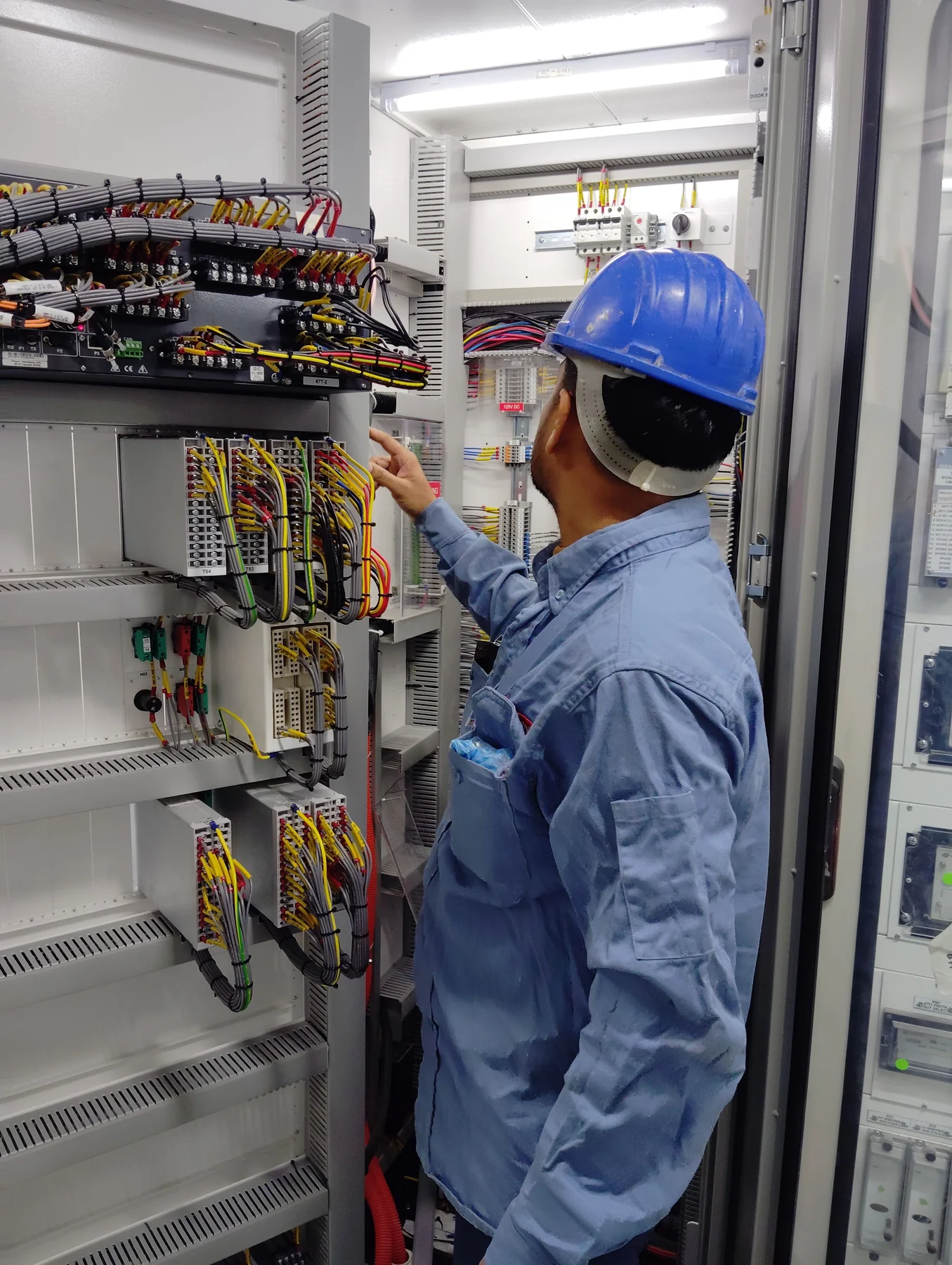
Visual and mechanical inspections look for workmanship or assembly issues that can be assessed without treating every component as a separate performance test. Depending on the agreed plan, checks may address nameplates, wiring identification, specified clearances, mounting, connections, and whether mechanisms operate as intended. Functional checks can include operating controls or interlocks in a defined test setup, but the exact actions and acceptance criteria should be documented. A functional check is not automatically a test of interrupting capacity, protection coordination, or performance under a fault. Ask which devices and circuits will be checked, how results will be recorded, and what limits apply. Also clarify how deviations are handled: who reviews them, whether corrective work is followed by a repeat check, and what evidence will be supplied. This keeps a useful checkout from being mistaken for proof of every system-level requirement.
Additional tests and standards
Some projects call for testing beyond routine production inspections and functional checks. Whether a particular test is required or available depends on the equipment, applicable standard, contract documents, and manufacturer’s proposed scope. Avoid assuming that a named test is included simply because it appears in a specification, or that every option is appropriate for every assembly. Have the responsible engineer identify the purpose of each requested test, the acceptance threshold, and any required test method or witness. Then ask the manufacturer to confirm feasibility, cost, schedule impact, and reporting format in the quote. For low-voltage switchboards, determine how applicable UL 891 requirements relate to the requested work; do not transfer that standard to medium- or high-voltage equipment. Keep ratings and test outcomes tied to the specific proposed assembly and verified documentation, rather than treating a test name as a product rating.
Plan witness and schedule
A witness point needs advance coordination. The project team should state whether witnessing is required, who may attend, whether participation is in person or remote, and how much notice is needed. Agree on the test sequence, prerequisites, expected duration, and procedure for postponement if equipment or participants are not ready. Ask whether the witness observes the entire procedure or selected hold points, and how comments or nonconformances are recorded. A witness presence does not by itself change the acceptance criteria or establish that tests outside the agreed plan were completed. Confirm any access, safety, and confidentiality arrangements through the manufacturer before scheduling attendance. Production and shipping timing remain subject to quote and verification, so test dates should be coordinated with the project schedule rather than assumed. Resolve open technical questions before the witness date to avoid avoidable delays or disputes at the factory.
Specify records and closeout
Define the closeout package before the order is released. Depending on the agreed scope, useful records may identify the assembly, test date, procedure, instruments or references used where applicable, acceptance criteria, results, deviations, and corrective actions. Ask whether records will be supplied as a signed report, checklist, data sheet, or another agreed format, and whether they can be linked to equipment identifiers. Confirm who reviews and accepts the package and how unresolved items are handled before shipment. A factory report documents only the work and results it actually describes; it should not be read as proof of field installation, system coordination, or performance beyond its stated scope. For custom new equipment, align documentation expectations with the quote and project specifications. Clear records help owners, engineers, and installers understand what was checked, what remains for site commissioning, and which requirements still need separate verification.