
SERVICES / MANUFACTURER DIRECT
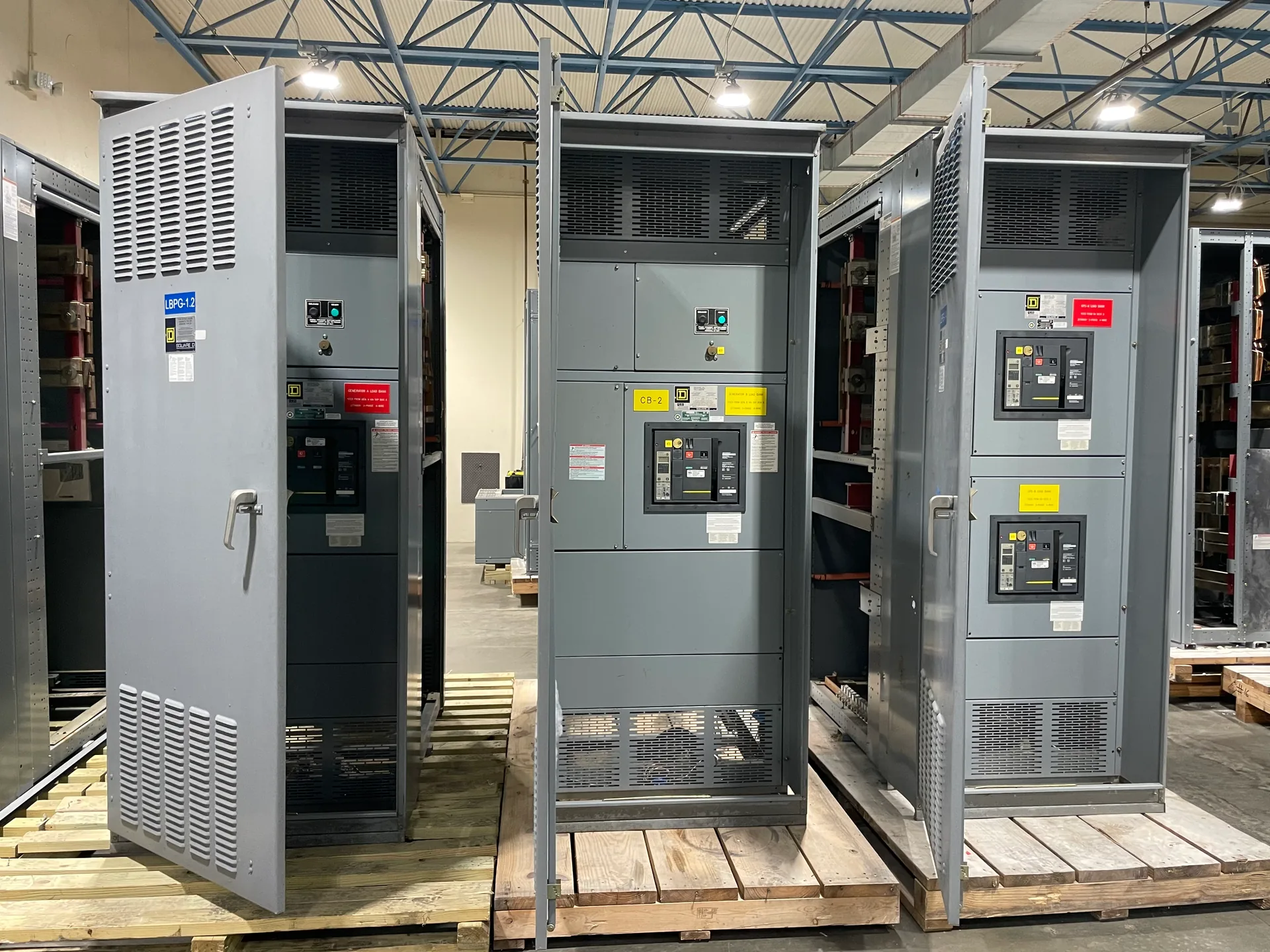
A switchgear retrofit decision starts with what must remain in service, what can be reused, and what the replacement must accomplish. Switchgear Builder Virginia manufactures and supplies new, custom-built switchgear; project teams can compare that option with retaining suitable existing equipment. Before choosing, document the installed lineup, breaker interfaces, outage limits, and approval or listing requirements. Ratings, schedules, and configuration require review and verification for each project.
Reuse or Replace
Reuse can limit the scope of a project when the existing enclosure, bus, supports, and connected equipment are suitable for the planned work. But retaining parts also means accepting their condition, compatibility, and remaining limitations; an old assembly should not be assumed suitable simply because replacement components appear to fit. Replacement can address broader capacity, arrangement, or coordination needs, but may require more space, connection changes, and outage planning. Compare both paths against the actual operating need: which circuits must remain, what changes are required, and what constraints cannot be relaxed? Identify uncertain or damaged components for evaluation rather than building a plan around assumptions. Switchgear Builder Virginia supplies new custom builds, with final configuration and ratings subject to quote and verification. The right choice depends on documented site conditions and project requirements, not age alone.
Record the Existing Lineup
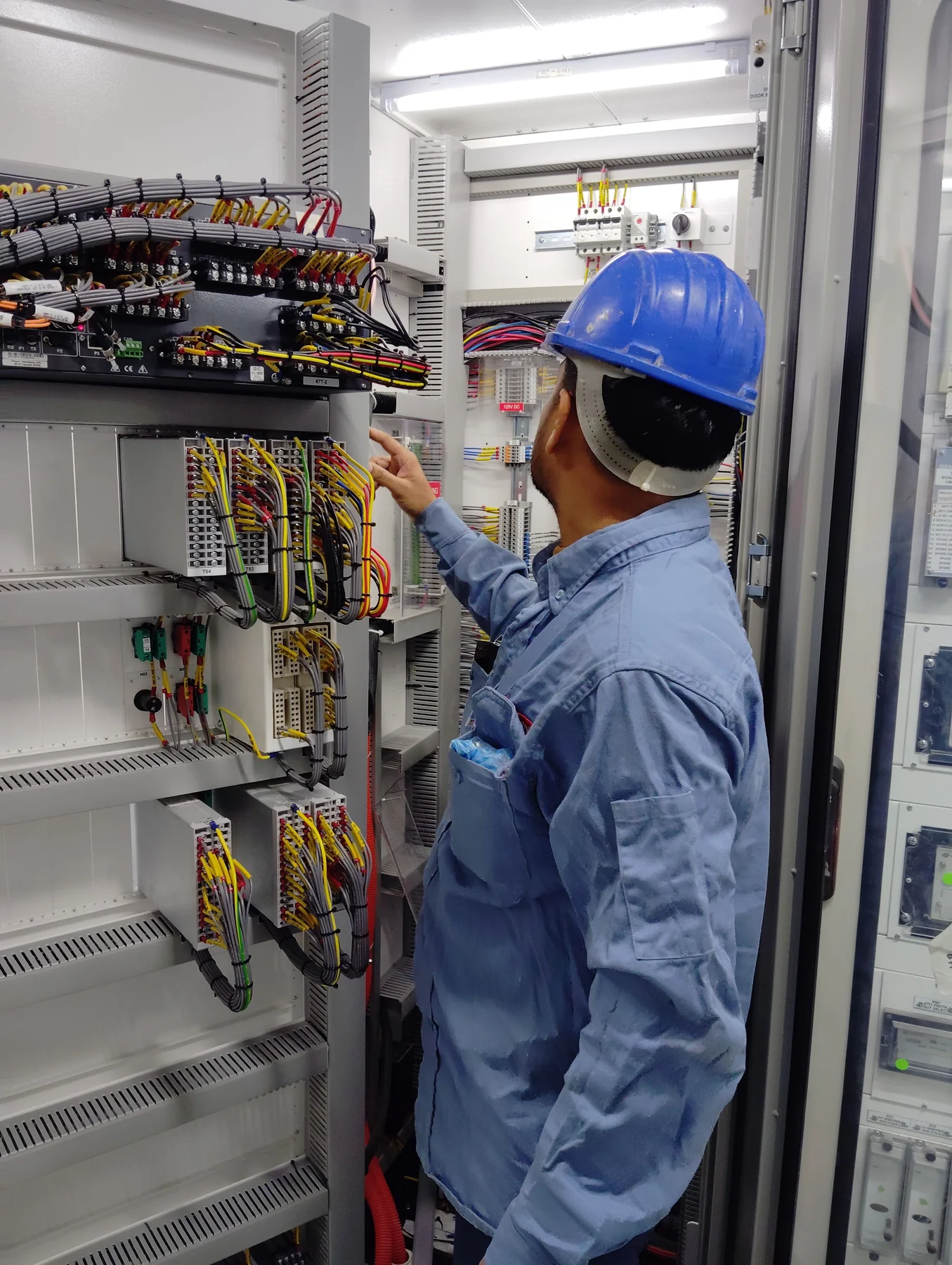
Collect clear nameplate photographs and transcribe manufacturer, catalog or model identifiers, voltage, current, short-circuit information, and any other marked ratings. Record lineup dimensions, section arrangement, bus connections, feeder count, cable or busway entry points, and available space around the equipment. These details help determine whether a proposed replacement can fit the room and connect to the existing system without unplanned structural or electrical changes. Do not infer ratings from a building drawing or neighboring equipment; markings may differ between sections or have been changed during prior work. Note missing, illegible, or conflicting information so it can be resolved through project records or qualified evaluation. Include one-line diagrams and prior modifications when available. A complete inventory narrows design questions early, but does not itself establish that an assembly or component is suitable for reuse.
Check Breaker Interfaces
Breaker compatibility involves more than matching a frame size or current rating. Document the breaker type, mounting arrangement, primary connections, control wiring, trip unit, auxiliary contacts, and the mechanism used to connect or isolate it. Record compartment dimensions and visible identification, along with any known modifications or replacement history. A breaker that appears similar may differ in dimensions, connection geometry, control functions, or intended application. Avoid selecting a replacement solely from a photograph or a partial catalog number; confirm the exact equipment and interface through suitable records and technical review. If the design changes the breaker or compartment arrangement, consider how that affects coordination, access, wiring, and maintenance expectations. These findings help establish whether reuse is practical or a newly manufactured lineup is the clearer path. Final component selection and ratings require verification against project requirements.
Plan the Outage
Define the outage window with the people responsible for operations before fixing the retrofit scope. Record which loads can be interrupted, whether circuits can be transferred, what sequence is acceptable, and how long the site can operate with reduced capacity. A limited window may favor a staged approach, but staging is useful only if the equipment arrangement, temporary connections, and project controls support it. Replacement work can involve room access, cable or busway changes, and coordination with other trades; retaining equipment may still require careful isolation and inspection by qualified personnel. Build the schedule around approved work plans and verified equipment availability, not an assumed delivery date. Switchgear Builder Virginia offers short lead times, but schedules depend on the quoted configuration and verification. Nationwide shipping is available; shipping does not determine installation readiness or outage duration.
Confirm Listing Needs
Ask the engineer, owner, authority having jurisdiction, and other project stakeholders which approvals, inspections, and listing requirements apply to the completed installation. Requirements can depend on the equipment type, scope of modification, project location, and governing documents; do not assume that an old label automatically covers a changed assembly or that a replacement has a particular approval. For applicable low-voltage switchboards, UL 891 may be relevant, subject to the specified equipment and project verification. It does not apply as a general claim for medium- or high-voltage switchgear. Gather project specifications and identify who will confirm the acceptance path before design decisions are finalized. Switchgear Builder Virginia can quote new assemblies, including applicable UL 891 assemblies, when requirements are verified. Clarifying the approval basis early helps compare reuse and replacement without promising an inspection outcome or assuming an unverified listing.