
SERVICES / MANUFACTURER DIRECT
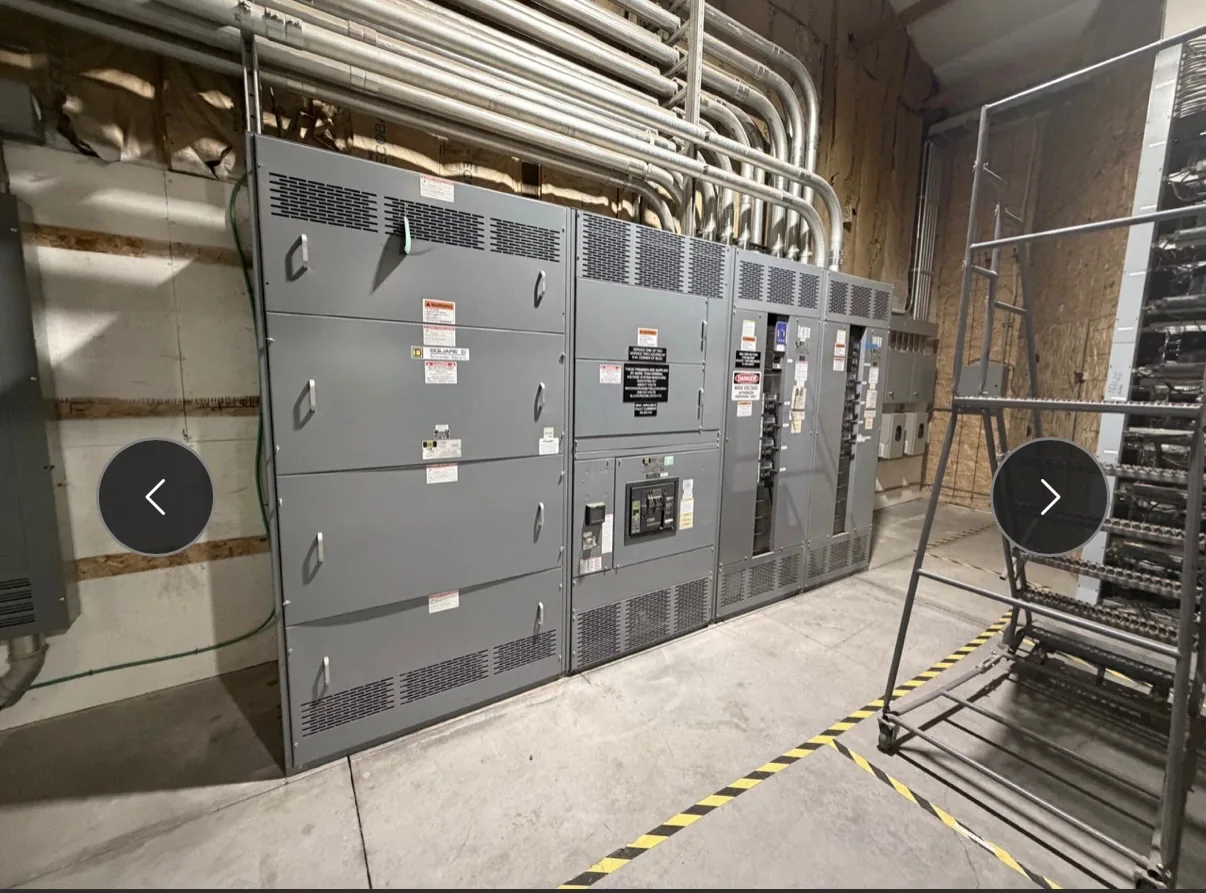
Switchgear modernization starts by separating what still serves the facility from what needs replacement. A staged plan can preserve suitable existing equipment while introducing a new lineup or defined sections to address protection, control, monitoring, or maintainability needs. The key is compatibility: ratings, interfaces, operating sequence, available space, and outage constraints must be checked before equipment is specified. Switchgear Builder Virginia manufactures new custom switchgear and supplies it nationwide; project schedules and ratings are subject to quote and verification. Use the requirements below to frame discussions with your engineering team and equipment suppliers.
Define the boundary
Document the existing lineup before deciding what to retain: equipment type, voltage, current and interrupting ratings, bus arrangement, protective devices, control power, metering, and physical dimensions. Confirm details against nameplates, drawings, and qualified engineering review; incomplete records can make apparent compatibility misleading. Then mark the modernization boundary clearly. It may be a complete replacement, a new lineup connected to retained distribution equipment, or a limited scope that leaves most gear unchanged. Each approach trades outage duration and initial scope against interface risk and future flexibility. A new assembly must be specified for the actual system and connection conditions, not simply selected because its footprint or nominal rating resembles older gear. For applicable new low-voltage switchboards, ask whether UL 891 assemblies are required and verify the applicable scope. That standard does not apply to medium- or high-voltage switchgear.
Set protection priorities
Protection changes should begin with the coordination and fault-study requirements, not a preferred breaker feature. Identify which loads need selective isolation, what upstream and downstream devices must coordinate, and whether available fault current or utility conditions have changed. A new lineup may allow different protective-device options, but settings, trip characteristics, short-circuit ratings, and system compatibility require engineering confirmation. Retaining old devices can reduce replacement scope, yet creates an interface and maintenance question: are their functions, condition, and documentation suitable for the intended system? Replacing more devices may improve consistency but increase cost, commissioning effort, and outage planning. Put required protective functions and verified ratings in the specification, while leaving unconfirmed values open for engineering review. Do not treat a catalog feature or numerical example as proof that a proposed assembly meets the facility’s specific duty.
Choose useful monitoring
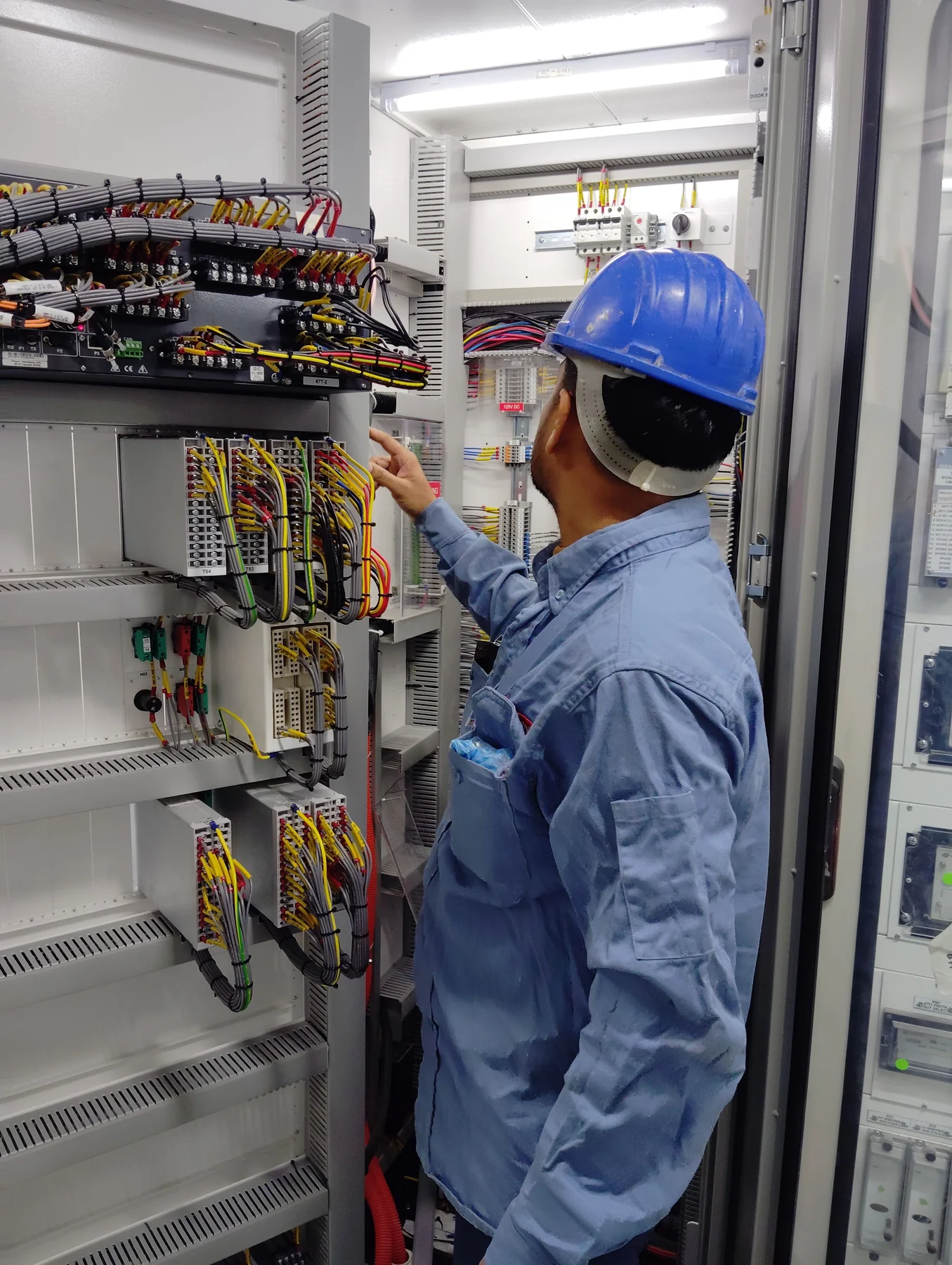
Monitoring can help operators see load, energy use, alarms, or equipment status, but adding data points is not automatically useful. First identify decisions the information should support: detecting overload trends, comparing feeder demand, reviewing power quality, or directing maintenance. Then specify which measurements and alarms matter, who needs access, and how the information will connect to existing supervisory systems. Retained equipment may have limited sensing or communications capability, while a new lineup can be configured around selected monitoring options. The tradeoff is added hardware, wiring, configuration, and cybersecurity review versus clearer operating information. Verify protocol, network boundaries, data ownership, and integration responsibilities with the facility team; do not assume existing controls will accept a new device without changes. Keep essential protective functions distinct from optional monitoring, and confirm measurement accuracy and alarm behavior against project requirements.
Plan maintainability
Compare maintenance access and replacement strategy across the equipment that will remain and the new sections under consideration. Useful specification questions include access clearances, compartment arrangement, labeling, spare or replacement device strategy, documentation, and the ability to isolate work according to an approved site procedure. A more maintainable configuration can require additional space or a larger replacement scope; a compact layout may preserve room but make future access or expansion less convenient. Confirm physical dimensions, cable entry, bus connections, and installation constraints before selecting an arrangement. Existing gear should not be assumed serviceable or compatible merely because it is still operating. Have qualified personnel assess its condition and applicable site requirements. Avoid making a design decision from a photograph or legacy drawing alone; field-verified dimensions and engineering review help expose conflicts before a new assembly is built.
Stage the project
Build the sequence around outage windows, temporary operating arrangements, procurement, installation responsibilities, and acceptance requirements. A staged change can limit the amount of equipment affected at once, but every temporary or retained configuration needs review for safe operation and system adequacy by qualified professionals. Identify dependencies such as utility coordination, upstream protection, control wiring, communications, and access for moving equipment. Provide the manufacturer with verified one-line diagrams, schedules, connection details, environmental conditions, and required ratings; identify unknowns rather than treating assumptions as facts. Switchgear Builder Virginia can manufacture new custom switchgear with all-American components and ship nationwide. Lead time, configuration, ratings, and any applicable assembly requirements must be confirmed by quote and project review, not presumed from a general schedule. The final plan should distinguish retained equipment from the new lineup and assign responsibility for engineering, installation, testing, and approvals.