
SERVICES / MANUFACTURER DIRECT
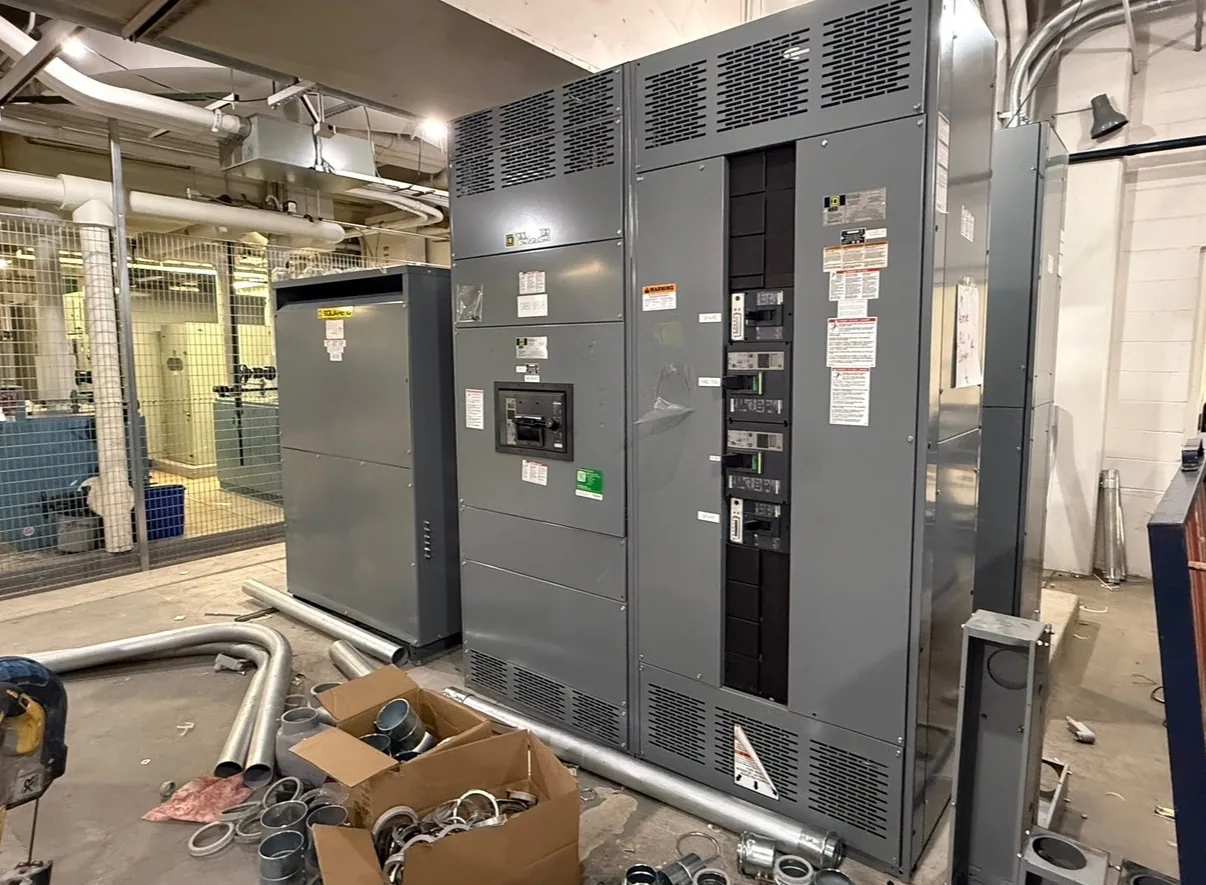
Switchgear assembly turns an approved bill of materials and drawing set into a defined equipment configuration. Before a new build proceeds, buyers and manufacturer should align on device types, ratings, arrangement, connections, labeling, and any specified options. Assembly is not the same as installing equipment at a facility: site placement, power connections, coordination, and commissioning belong to separate project scopes unless explicitly included. Clear documents reduce interpretation gaps, but they do not replace review of the final equipment documentation. Confirm which drawings and schedules govern, how revisions are approved, and which records will be provided for the completed assembly.
Define the assembly scope
Start by identifying exactly what the manufacturer is expected to assemble. The approved bill of materials (BOM) should identify the specified equipment and components, while drawings show their intended arrangement and relationships. These documents should agree on lineup sections, device designations, bus configuration, cable entry, control components, labels, and required accessories. If the BOM and drawings conflict, resolve the discrepancy before release rather than assuming which document takes precedence. List exclusions too, such as site conductors, foundations, external controls, or startup work, so assembly is not mistaken for a complete installation package. For a custom build, describe deviations from standard arrangements directly in the approved documents. Buyers should confirm who may authorize changes and how revisions are recorded. A clear scope lets both parties distinguish included assembly work from items that another contractor or project team must provide.
Approve drawings and revisions
Treat drawing approval as a controlled project milestone, not a general expression of interest. Review the equipment arrangement, elevations, access clearances, conductor entry points, device schedules, control diagrams, and interface details against the project requirements. Check that equipment designations and feeder information match the latest single-line diagram and schedules supplied for the build. Mark comments clearly, identify the revision being reviewed, and state whether approval permits fabrication or only confirms design intent. If requirements change after approval, document the revision and ask the manufacturer to assess its effect on configuration, cost, and schedule; timing must be confirmed for the specific quote. Do not rely on email shorthand or superseded drawing sets to convey a technical change. A single identified, approved document set gives the assembly team a consistent reference and makes later comparisons with final equipment documentation more useful.
Resolve component details
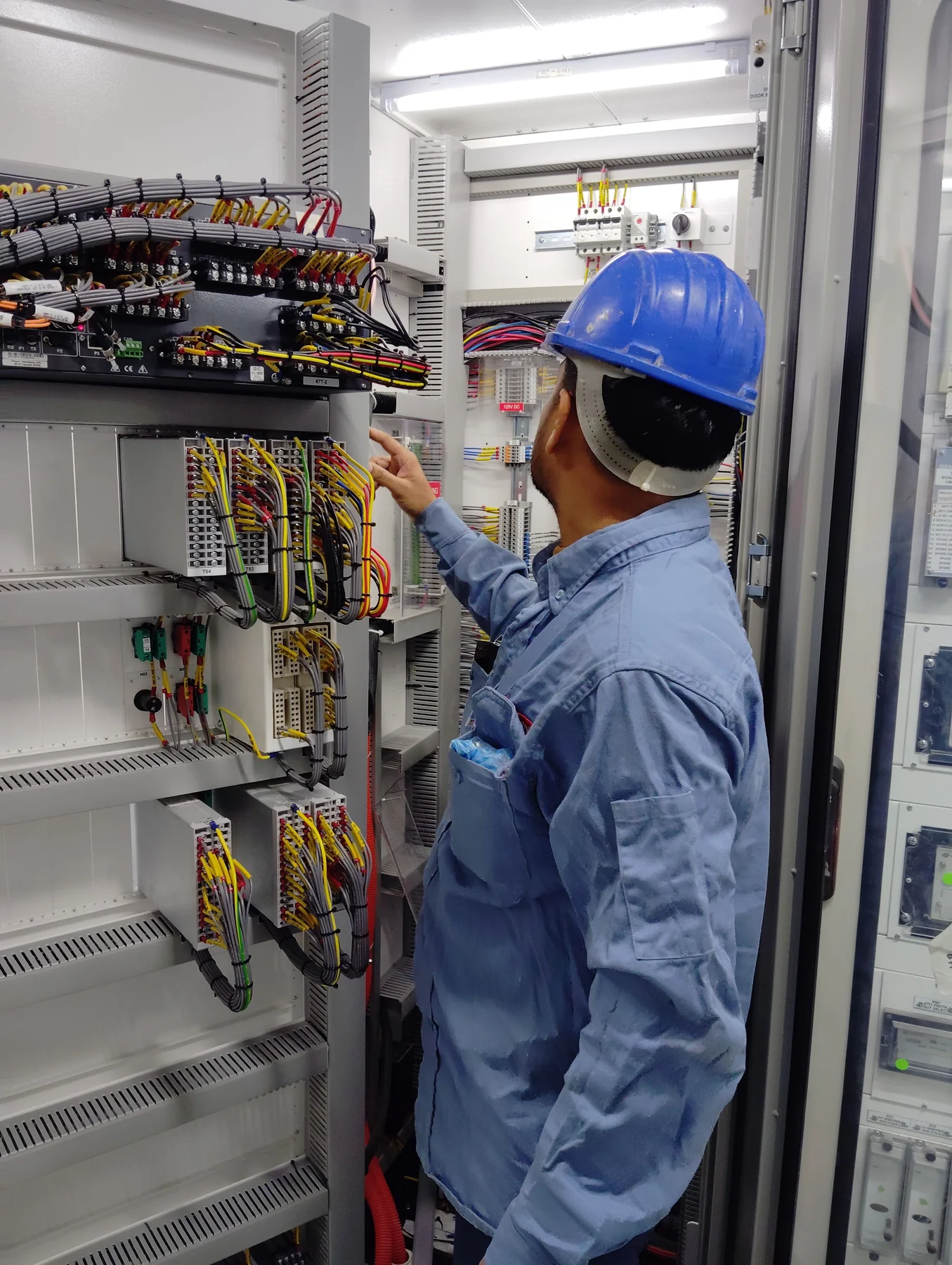
A BOM needs enough detail to prevent substitutions or assumptions from changing the intended design. Identify each specified device by function and relevant model or rating, and distinguish required components from acceptable options. For protective devices, clarify the project’s specified trip functions and settings responsibility; do not infer settings from a device name alone. For metering and control, list required instruments, control power, interfaces, and terminal or wiring references where applicable. Confirm bus material, neutral and grounding arrangements, enclosure details, and connection provisions against the approved drawings and the equipment’s quoted configuration. Ratings, interrupting capabilities, enclosure characteristics, and other performance requirements must be stated and verified for the particular application; a page topic or nominal voltage does not establish them. Where a specification leaves a choice open, obtain written agreement on the selected option before the documents become the build basis.
Separate assembly from installation
Factory assembly describes putting the specified equipment configuration together; it does not by itself mean the equipment has been delivered, positioned, connected, or commissioned at the site. Installation scope may include receiving and rigging, anchoring, joining sections, field bus connections, grounding, power and control conductors, and coordination with other systems. Assign each task to a named project party and verify whether site labor, startup support, or commissioning is included in the quote. Avoid assuming that shipping, even nationwide shipping, includes unloading, placement, or electrical work. The site team must coordinate access, room dimensions, cable routing, and connection details with the approved equipment drawings before installation. Any inspection, field testing, or authority approval should be confirmed for the project rather than presumed. Keeping the boundary explicit helps buyers compare quotes on equivalent scope and avoid gaps between factory assembly and field execution.
Verify final documentation
Before accepting the completed equipment package, compare its final documentation with the approved design and recorded revisions. Depending on the quoted scope, request applicable final drawings, component schedules, labels or identification details, and documentation for any specified inspections or tests. Confirm what records are actually included; do not assume a particular test, listing, approval, or certification unless it is stated and verified for that equipment. UL 891 applies only where the equipment is an applicable low-voltage switchboard and the quoted assembly is represented accordingly; it does not establish a rating for medium- or high-voltage switchgear. Review discrepancies through the project’s document-control process and obtain clarification before relying on changed details for installation or coordination. A complete handoff gives the installer and owner a traceable reference for the delivered configuration, while leaving site acceptance and commissioning requirements to the applicable project documents and responsible parties.