
BUYING INTENT / MANUFACTURER DIRECT
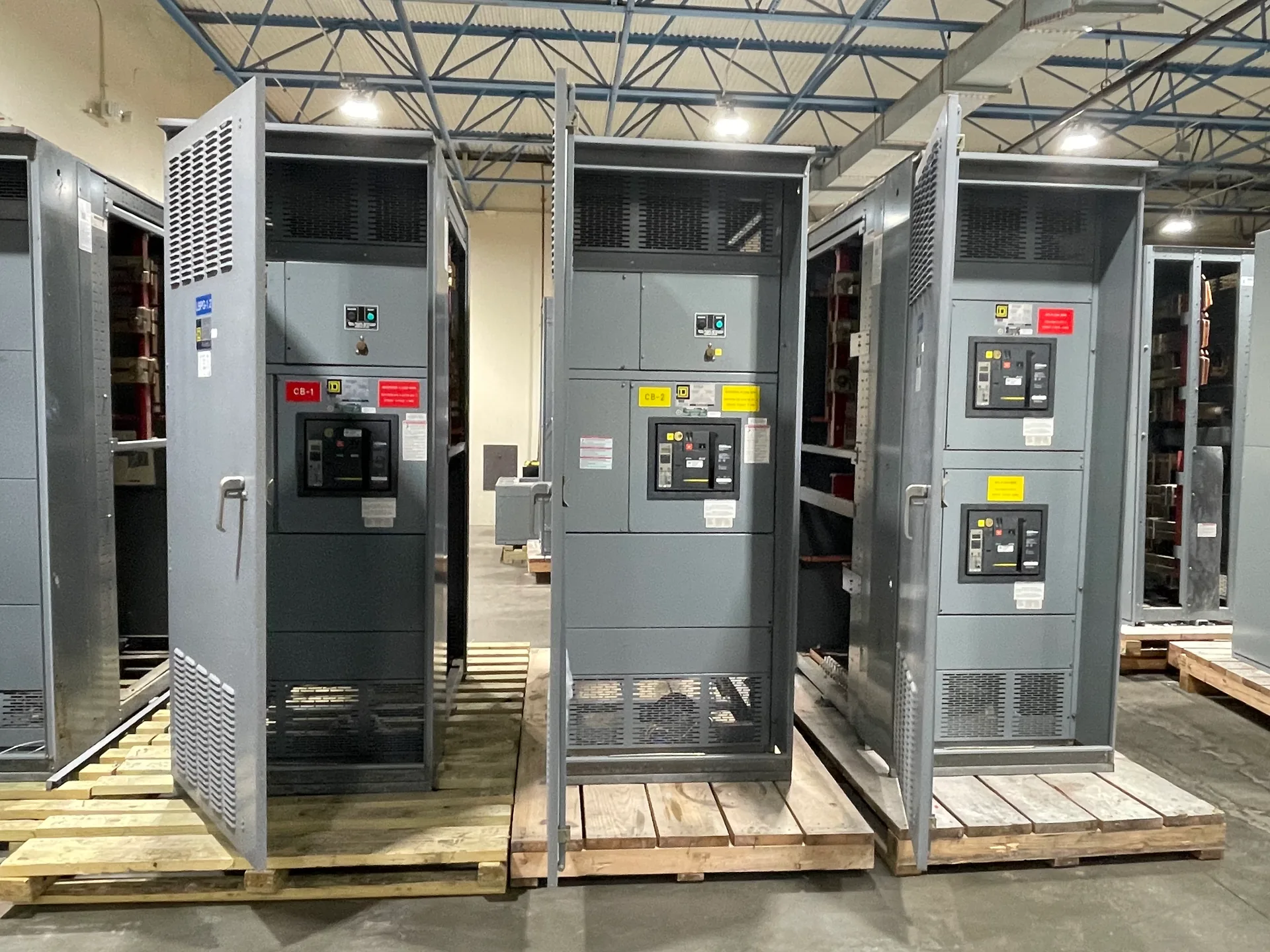
Buying new electrical switchgear starts with choosing a procurement route that keeps design responsibility, equipment scope, and project coordination clear. Switchgear Builder Virginia manufactures new equipment in the United States, using all-American components, and can develop custom builds for project requirements. Buyers can work directly with a manufacturer or coordinate through an electrical contractor, engineering firm, or other project partner. The right route depends on who defines the system, reviews drawings, manages interfaces, and confirms commercial terms. Before comparing proposals, establish the equipment type, application, required ratings, and delivery expectations. Those details give each bidder a useful basis for a comparable quotation without treating unverified ratings or schedules as commitments.
Compare Procurement Routes
A manufacturer-direct purchase can put the buyer in direct contact with the team responsible for developing and building the equipment. That may help clarify custom layouts, options, and drawing questions, but the buyer still needs to define the project scope and coordinate other parties. An electrical contractor may instead manage switchgear procurement alongside installation, site work, and related equipment. That route can simplify project coordination when the contractor owns those responsibilities, while adding a commercial layer between the buyer and manufacturer. An engineer or procurement firm may also specify equipment and manage bidding without performing installation. Compare routes by asking who prepares the equipment schedule, reviews submittals, approves changes, coordinates interfaces, and handles delivery communication. The best fit is the route that assigns these tasks explicitly, not simply the one with the fewest contacts or the lowest initial number.
Define the Equipment Scope
Before requesting prices, describe what the project actually needs. Identify whether the application calls for a low-voltage switchboard or another switchgear type, and state the intended system configuration, incoming and outgoing connections, metering needs, and required accessories. These are scope questions, not assumed standard features; confirm each item against the project documents and quotation. Provide one-line diagrams, equipment schedules, available site dimensions, and relevant interface details when available. Note exclusions as well as inclusions, such as field wiring, installation, commissioning, or related distribution equipment, so proposals can be compared on the same basis. If drawings are incomplete, identify open decisions and ask bidders to list assumptions. A clearly bounded scope reduces the risk of comparing different assemblies under a single equipment label and gives the manufacturer a better basis for identifying options and constraints.
Verify Drawings and Ratings
Review ratings as project requirements that need confirmation, not as values inferred from a product name or a numerical topic. The design team should specify applicable voltage, current, short-circuit, enclosure, and environmental requirements, then confirm that the proposed assembly and its components are suitable for the intended application. Ask for the documents needed to check those details, including drawings, schedules, and stated assumptions. Resolve discrepancies among the one-line diagram, specification, and equipment schedule before approval. For applicable low-voltage switchboards, ask whether a UL 891 assembly is included in the quoted scope and verify the applicable details in the proposal; that designation does not apply to medium- or high-voltage switchgear. Treat inspections, tests, approvals, and other listings as items to verify for the particular equipment and project, rather than presumed features.
Compare Quotes and Terms
A useful comparison checks more than the equipment price. Match each quote against the same scope, drawing revision, required options, exclusions, and responsibilities. Check whether freight, packaging, site coordination, and any requested documentation are included or separately addressed. Review payment terms, quotation validity, change handling, and the process for resolving drawing comments. Delivery schedules depend on the quoted build and project details, so request a current schedule and confirm what event starts the schedule, what approvals are required, and how changes may affect it. Do not treat a preliminary estimate or an unverified date as a firm commitment. Switchgear Builder Virginia offers short lead times, but schedules remain subject to quotation and verification. Nationwide shipping is available; confirm the destination, shipping terms, receiving arrangements, and any site constraints before placing an order.
Choose a Clear Path Forward
Before selecting a supplier or procurement route, make a responsibility list for the buyer, designer, contractor, and manufacturer. Confirm who owns final design decisions, drawing review, interface coordination, order changes, shipping arrangements, and site receipt. If the project requires a custom build, describe the operating needs and physical constraints early, then review proposed drawings before authorizing production. Keep the approved scope and revisions together so all parties work from the same information. Ask the manufacturer to identify unresolved requirements and quote assumptions rather than silently filling gaps. Switchgear Builder Virginia manufactures new equipment in the United States, with all-American components and custom builds available; the specific configuration, ratings, schedule, and terms must be established for each quote. A disciplined review helps buyers choose a route based on scope ownership, technical fit, and documented commercial terms.